Treeview attends Meta Connect 2026 as Meta moves into glasses
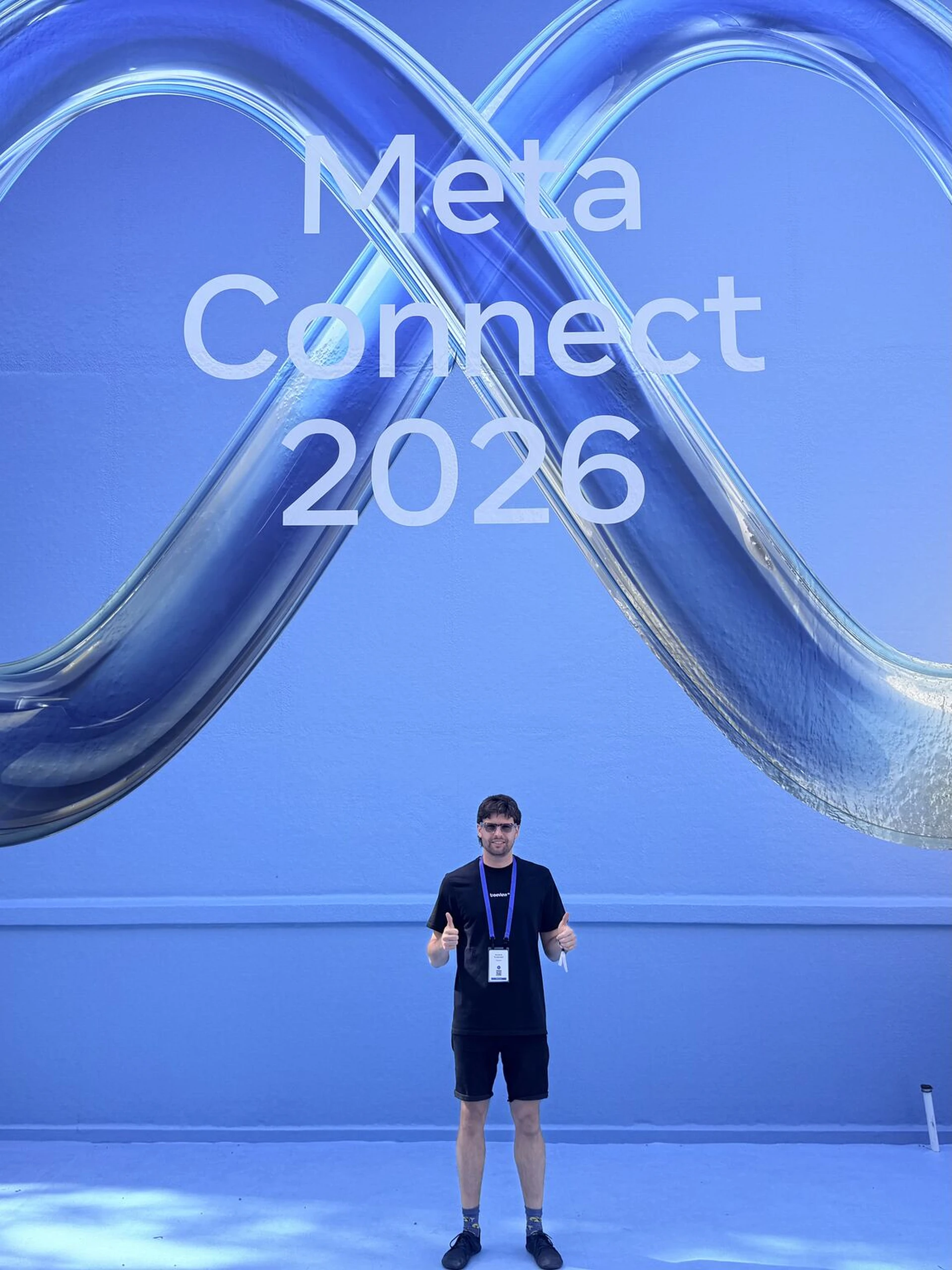
On Meta's invitation, Treeview joined Meta Connect in Menlo Park, California, where Meta introduced VR glasses, new ways to find apps on its display glasses and agentic tools for developers.
Treeview attended Meta Connect 2026 on September 23 and 24 in Menlo Park, California, on Meta's invitation. Meta used the keynote to introduce new hardware and the second day's developer sessions to show the tools to build for it.
The direction across both days was consistent: Meta's devices, software and developer platform are converging on glasses. Three announcements matter most for teams planning enterprise deployments.

Meta VR Glasses
Meta VR Glasses put a fully immersive virtual reality and mixed reality headset into a glasses form factor. The device weighs about 100 grams, five times lighter than Meta Quest 3, and pairs a 5K display, pancake lenses and full-color passthrough with a tethered compute puck running Snapdragon Reality Elite.
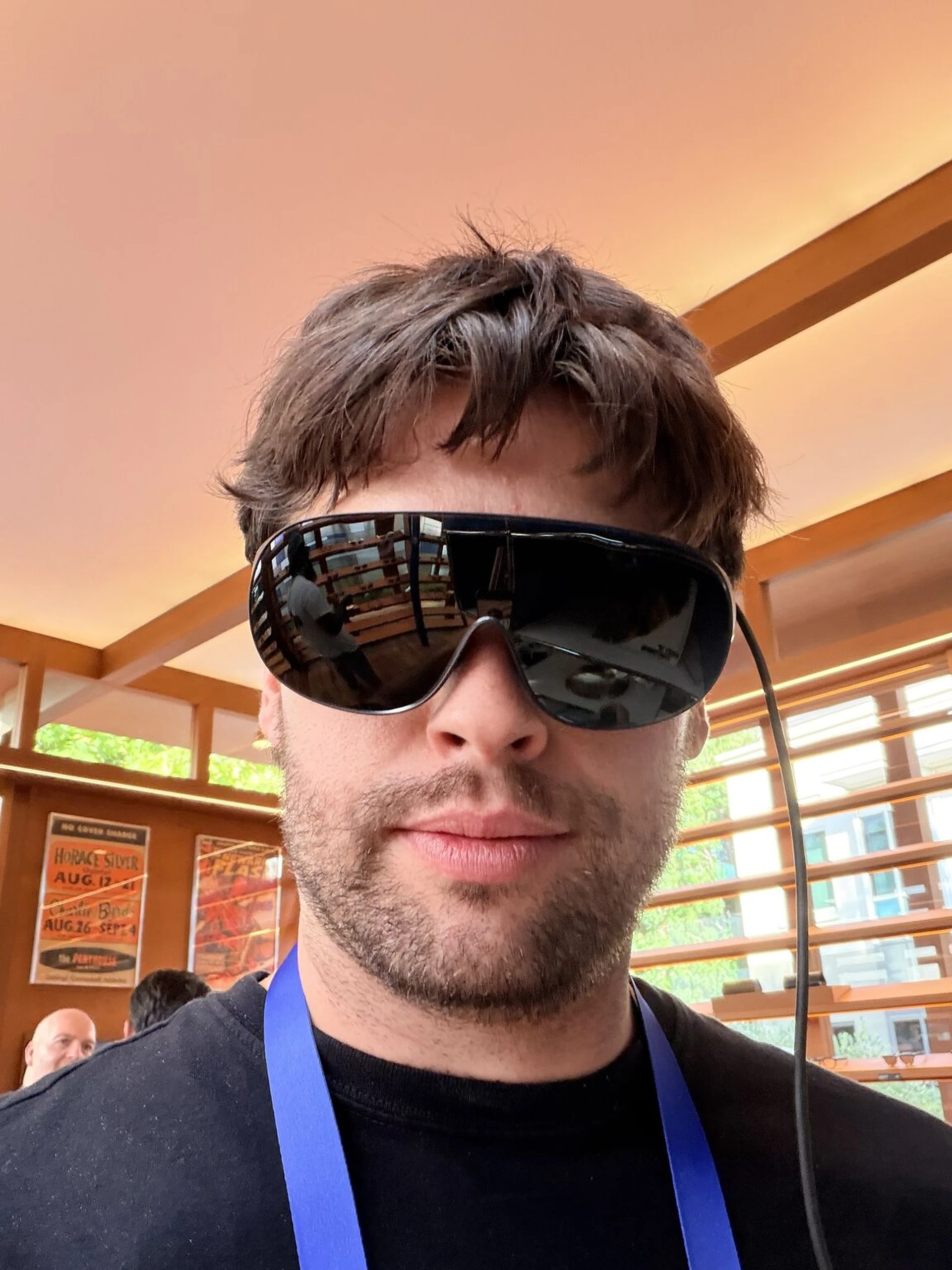
The field of view is roughly 70 by 66 degrees, compared with 110 by 96 on Meta Quest 3. Eyes and hands are the primary inputs, Touch Plus controllers are supported and battery life reaches up to three hours of media playback.
Meta calls it the first IMAX Enhanced certified VR device and expects 75 games at launch. Meta announced a price of US$1,300, with shipping planned for 2027.

The design trades field of view for weight. For enterprise training, guided work and long design reviews, comfort across a full session matters more than peripheral vision. That is why Treeview expects the form factor to be big in enterprise.
Apps for Meta Ray-Ban Display
Meta announced Explore for Meta Ray-Ban Display, a new on-glasses app where wearers browse experiences built for the display. Meta also said a curated list of experiences for its AI glasses would come to the Meta AI app, with developer submissions to follow.
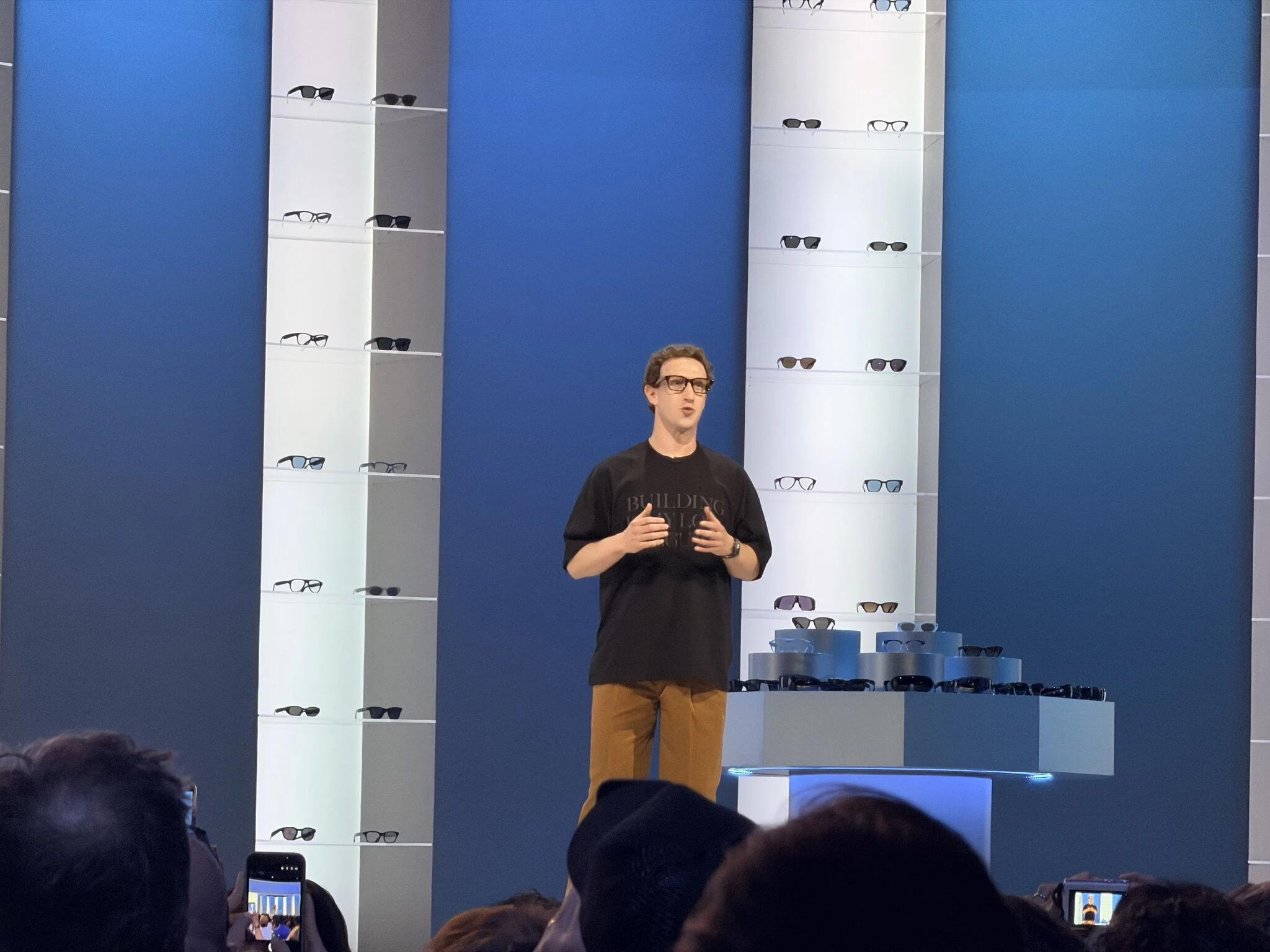
The audience for those apps is growing outside the United States. Meta Ray-Ban Display went on sale in the United Kingdom for £749 and in Canada for CA$1,149, and was scheduled to reach Germany, France and Italy on October 13 at €899.
Version 1.0 of the Meta Wearables Device Access Toolkit began rolling out on September 30, after a year in preview. It covers Ray-Ban Meta, Meta Ray-Ban Display and Oakley Meta glasses.
Agentic developer tools
The v207 SDK for Unity and Unreal adds a VR Glasses profile to Meta XR Simulator, so teams can test against the new hardware before it ships. Gaze interaction arrives in the Interaction SDK, and WebXR developers get support through the Immersive Web SDK.
Meta VR CLI and Meta XR Operator for Unity bring AI agents into the build and test workflow. Separately, Meta said it would bring Muse, its AI agent that can act on what the wearer is looking at, to its AI glasses in the coming months.
The Meta VR Start Developer Competition opened alongside the tools and runs through November 18 with US$1 million in prizes.
“Meta is converging everything into the glasses form factor,” said Horacio Torrendell, Treeview's founder and CEO. “This year was a big leap forward, and these are exciting times for the XR industry.”


Eugenia Gallo
Head of Marketing