
Premium Digital Twin Development Services
Treeview is a digital twin development company that designs and builds real-time, data-connected digital twin solutions for Fortune 500 companies operating across complex industrial, healthcare and infrastructure environments.
Years in Digital Twin Development
Successful projects launched
Platforms, headsets and devices supported
Client satisfaction rate
Trusted by








What we do
Digital twin development requires a multidisciplinary senior team combining software engineering, IoT integration, 3D modeling, cloud architecture and data engineering. Partnering with an industry-leading digital twin development company like Treeview means faster delivery, lower risk and production-grade scalability.

What is a Digital Twin?
A digital twin is a real-time virtual replica of a physical asset, system or facility that is synchronized with live data from sensors, IoT devices and enterprise operational systems. Digital twin development is the engineering discipline of building the software, data model, visualization layer and integration architecture that keep the twin accurate, usable and operationally valuable.
$73B+ projected market by 2027
01
30–50% downtime reduction
02
Up to 25% operational efficiency improvement
03
40% cost savings in simulation environments
04
Digital Twin Industry Applications
Industrial, Manufacturing and Heavy Operations
Industrial digital twin systems for complex operations.
Manufacturing
Digital twin in manufacturing for production optimization.
Automotive
Factory robotics validation and lifecycle optimization.
Aerospace
Engine telemetry monitoring and MRO planning.
Mining
Equipment health and site safety modeling.
Process Industries
Refinery and plant process optimization.
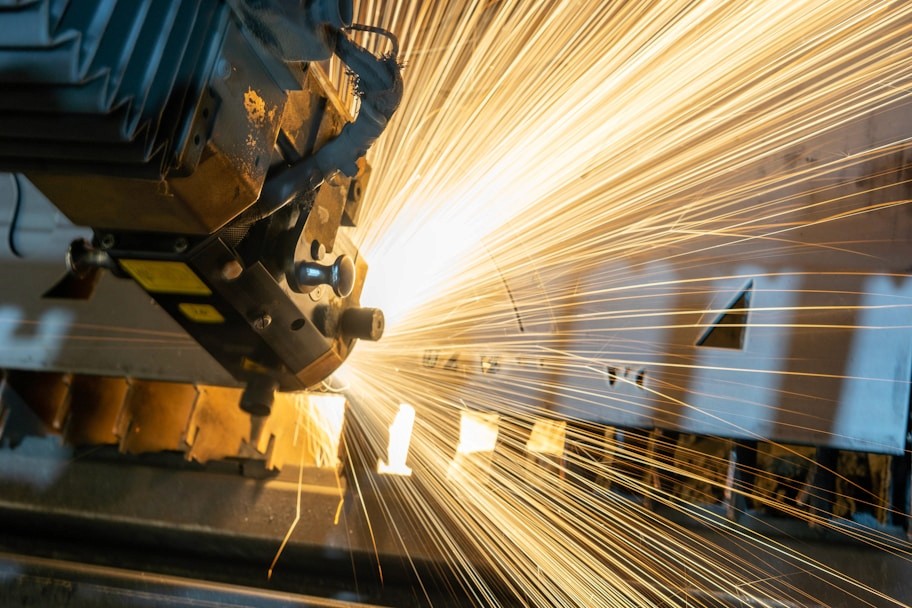
Built Environment, Infrastructure and Cities
Digital twin infrastructure lifecycle management.
Architecture and AEC
BIM-to-operations digital twin integration.
Construction
Digital twin for construction progress tracking.
Infrastructure
Bridge, rail, and utility asset monitoring.
Smart Cities
Urban mobility and energy simulation.
Real Estate
Building systems monitoring and energy optimization.

Energy, Resources and Utilities
Operational visibility across distributed energy assets.
Energy
Grid stability and demand response modeling.
Utilities
Water and power network performance analytics.
Oil and Gas
Digital twin oil and gas facility monitoring.
Renewable Energy
Wind turbine and solar output prediction.
Power Generation
Turbine diagnostics and outage prevention.
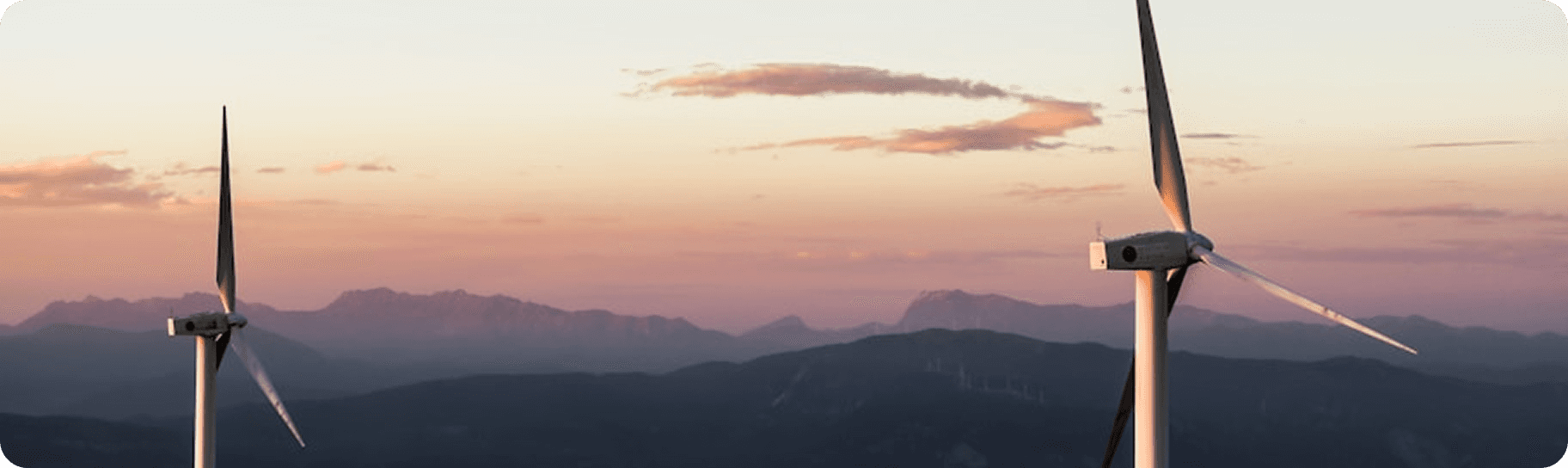
Healthcare, Pharma and Life Sciences
Precision digital twins for clinical systems.
Healthcare
Digital twin in healthcare for surgical planning.
Pharma
Bioprocess monitoring and GMP validation.
Life Sciences
Molecular modeling and lab simulation.
Research Institutions
Complex scientific data visualization.
Medical Education
Anatomy simulation and procedural rehearsal.

Supply Chain, Logistics and Mobility
Supply chain digital twin performance optimization.
Warehousing
Digital twin warehouse layout optimization.
Distribution Centers
Throughput forecasting and bottleneck detection.
Telecom
Network digital twin planning and monitoring.
Transportation
Fleet telemetry and route optimization.
Mobility Hubs
Passenger flow and capacity forecasting.
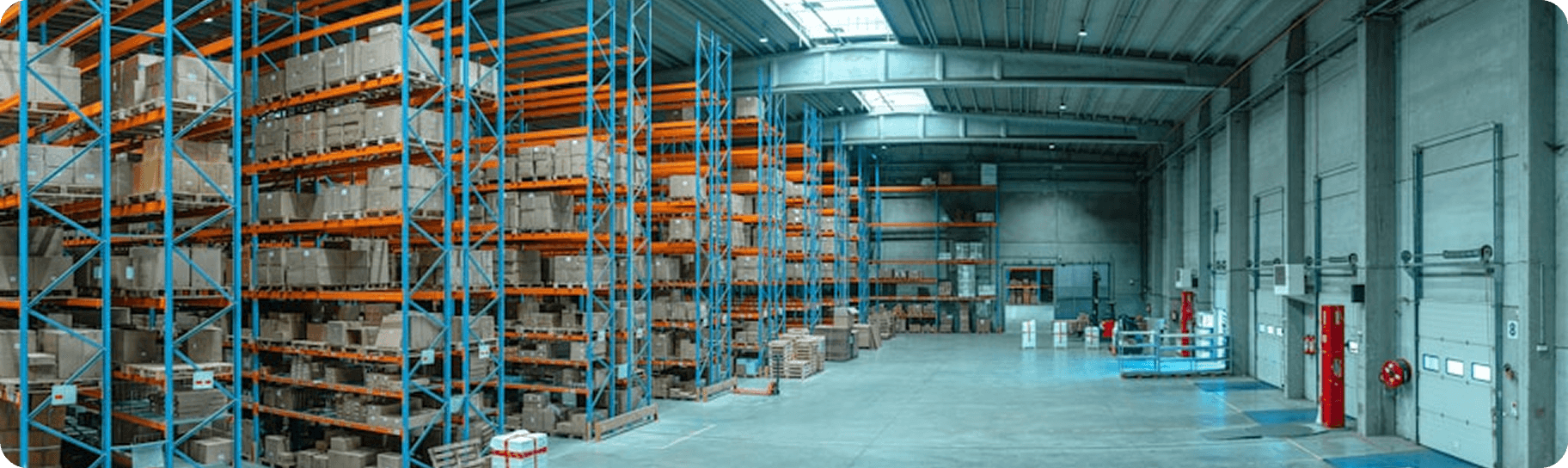
Defense, Government and Public Sector
Mission-critical infrastructure digital twin systems.
Military
Equipment readiness and mission rehearsal simulation.
Defense
Weapons system lifecycle management twins.
Government
Infrastructure resilience and policy modeling.
Public Sector
Public asset lifecycle monitoring.
Emergency Services
Disaster response and evacuation modeling.

Consumer, Retail and Commerce
Retail and product digital twin environments.
Retail
Store operations and shopper flow simulation.
E-commerce
Fulfillment network and inventory modeling.
Fashion
Digital product lifecycle and supply traceability.
Consumer Electronics
Product performance and usage analytics.
Luxury and Lifestyle Brands
Immersive product showcase twins.

Education, Culture and Tourism
Experiential spatial digital twin applications.
Education
Campus infrastructure and lab simulation.
Museums and Landmarks
Cultural heritage digital twin preservation.
Cultural Institutions
Exhibition planning and artifact modeling.
Hospitality
Hotel operations and energy optimization.
Tourism
Destination infrastructure and visitor flow modeling.

Media, Sports and Entertainment
Real-time simulation and immersive environments.
Entertainment
Virtual production and digital stage environments.
Gaming
Persistent world simulation and analytics.
Sports
Stadium operations and athlete performance modeling.
Live Events
Crowd density and safety simulation.
Broadcast and Media Production
Real-time virtual set integration.
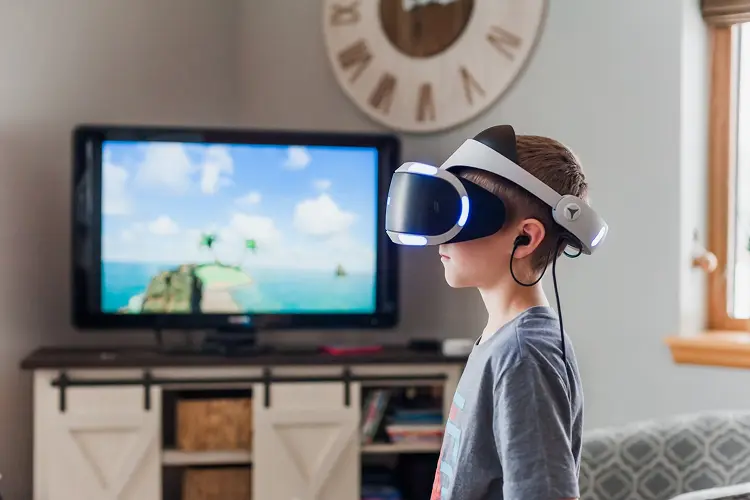
Digital Twin Use-Cases
Digital Twin Software




















Case Studies
5
/5
Top rated
XR Studio





15+
Trusted by
enterprise clients
What is a digital twin?
A digital twin is a real-time virtual replica of a physical asset, system, process, or environment that stays synchronized with live data from sensors, IoT, and operational systems. Unlike a static 3D model, a digital twin reflects current state and can support forecasting and simulation.
In spatial computing, digital twins go one step further: they are rendered as interactive, immersive environments that operators can walk through, inspect and interact with in Mixed Reality, Virtual Reality or Augmented Reality.
What is digital twin technology?
Digital twin technology is the stack that makes a digital twin work, combining real-world data capture, data processing, a digital model, and a user interface. It typically connects sensors and enterprise systems to cloud or edge platforms and then renders the twin through dashboards, web viewers, or real-time 3D engines like Unity or Unreal. The goal is a reliable loop from physical state to digital visibility and action.
What is the difference between a digital twin, a digital thread and a BIM model?
A digital twin is a live model of a specific real-world asset synchronized with operational data. A digital thread is the end-to-end lifecycle data record that feeds systems across design, build, operation, and service. A BIM model is a building-focused 3D model that becomes a digital twin only when connected to real-time data and operations workflows.
What are the types of digital twins?
Digital twins range from small to large: component, asset, system, process, and facility or infrastructure twins. The difference is scope, from one part to entire operations. Most enterprise programs start with a single asset or system and expand as the data layer matures.
What is an AI digital twin?
An AI digital twin adds machine learning and predictive analytics to a digital twin so it can forecast outcomes, detect anomalies, and support decisions. Instead of only showing current state, it helps predict failures, recommend actions or simulate scenarios. The value comes from turning live operational data into proactive guidance. Treeview’s Microsoft green hydrogen digital twin project integrates AI predictive models of future energy output to support stakeholder communication and investment decision-making.
What does 'digital twinning' mean?
Digital twinning is the ongoing process of creating and maintaining a digital twin over time. It includes building the model, connecting data sources, and keeping the twin accurate as the physical system changes. It’s continuous synchronization, not a one-time visualization.
How does a digital twin work?
A digital twin works through a feedback loop: sensors capture real-world signals, data is transmitted and processed in cloud or edge systems, and the twin’s state updates in real time. Operators then visualize, analyze, and simulate conditions through dashboards or 3D interfaces. Higher-quality instrumentation and integrations create higher-fidelity twins.
What is a digital twin data model?
A digital twin data model is the schema that defines how assets, spaces, sensors, and relationships are represented in the twin. It makes the twin queryable and extensible across systems and teams. Common approaches include standards like DTDL and industry ontologies for buildings or cities.
What is the role of IoT in digital twins?
IoT provides the live signals that make a digital twin a true twin instead of a static 3D model. Sensors stream telemetry like temperature, vibration, pressure, or occupancy into the twin. Without IoT and system integrations, most twins cannot support real-time operations or predictive maintenance.
What is digital twin software and what are the best platforms in 2026?
Digital twin software includes the platforms used to ingest data, model assets, run analytics, and deliver interfaces. Enterprise stacks often combine cloud digital twin services, industrial platforms, and real-time 3D engines for visualization. The “best” platform depends on your data environment, industry constraints, and whether you need interactive 3D or XR.
What are the primary use cases for digital twins in manufacturing?
In manufacturing, digital twins are used for predictive maintenance, factory and line simulation, quality monitoring and process optimization. They help teams test changes virtually, reduce downtime and improve output. The highest ROI comes when twins connect directly to operational KPIs and maintenance workflows.
How are digital twins used in oil and gas?
Oil and gas uses digital twins for facility monitoring, pipeline integrity, refinery process optimization, and remote operations in hazardous environments. Because downtime is expensive, twins support early detection, planning, and safer decision-making. Many deployments focus on reliability and operational continuity.
How are digital twins used in construction and the built environment?
Construction and AEC teams use digital twins to track progress, reduce rework, and improve coordination during the build phase. After handover, facility twins support energy monitoring, HVAC performance, maintenance planning, and space utilization. Many programs start with BIM and evolve into live, sensor-connected twins.
How are digital twins used in healthcare?
Healthcare digital twins support surgical planning and training through patient-specific 3D models, plus equipment and facility monitoring for operations. They help improve precision, reduce risk, and optimize resource allocation. Use cases span patient, device, and hospital-scale twins.
What are examples of digital twins in the real world?
High-profile real-world digital twin deployments include:
Microsoft and Treeview - Green Hydrogen Plant: An AI-enabled MR digital twin of a multi-billion-dollar green hydrogen renewable energy project, integrating AI predictive models of future energy output. Deployed to support stakeholder communication and investment decisions. See the case study.
Boeing: Jet engine twins monitoring thousands of sensor data points per second, reducing maintenance costs and unplanned downtime across the commercial fleet.
Singapore Virtual Singapore: A city-scale 3D digital twin of the entire city-state, used for urban planning, emergency response simulation, and infrastructure management.
NVIDIA Omniverse for BMW: Complete virtual factory twins used to simulate production line layouts before physical implementation.
Siemens Rail networks: Digital twins of rail infrastructure monitoring asset health across thousands of kilometers of track.
What is an industrial digital twin?
An industrial digital twin is a digital twin built for operational technology environments like manufacturing, energy and process industries. It typically integrates with systems such as SCADA, PLCs, and industrial IoT. The focus is reliability, safety and operational decision support.
What is AWS IoT TwinMaker and when should it be used?
AWS IoT TwinMaker is a managed AWS service for building digital twins by connecting physical entities to data sources through a structured graph. It’s a fit for organizations already on AWS that want to scale facility or equipment twins without building every ingestion pathway from scratch. It can power dashboards and feed custom 3D or XR interfaces.
What is NVIDIA Omniverse and how does it relate to digital twins?
NVIDIA Omniverse is a real-time simulation and collaboration platform built around OpenUSD. It’s often used for physically accurate industrial simulation and high-fidelity visualization. Many teams use Omniverse for simulation-heavy workflows and Unity for interaction design and XR deployment.
What is a 3D digital twin and how is it built?
A 3D digital twin is a twin represented through a real-time 3D model that updates based on live data. It’s built from CAD/BIM, LiDAR, or photogrammetry, then optimized for real-time rendering and bound to telemetry streams. The result is an interactive interface, not just a model.
Treeview specializes in the Unity 3D visualization layer, integrating with client IoT and cloud infrastructure. See case studies.
What is a real-time digital twin?
A real-time digital twin updates with near-real-time latency rather than batch refreshes. This matters for monitoring, quality control and safety-critical operations. Achieving real time requires low-latency data pipelines and a visualization engine that can update state smoothly.
What is the difference between digital twin vs. simulation?
Simulation models behavior under assumed conditions and doesn’t require a live asset. A digital twin is tied to a specific real-world system and updates from actual operational data. Digital twins may include simulation, but synchronization is what makes them twins.
What are the main benefits of digital twins?
Digital twins reduce downtime, improve planning accuracy, and enable safer decision-making by letting teams test changes virtually. They also support remote operations and training at scale. The biggest gains appear when twins are connected to real workflows and KPIs.
What challenges do digital twins solve?
Digital twins solve visibility and coordination problems in complex systems by making asset state understandable and actionable. They reduce reactive maintenance, cut physical prototyping costs, and improve remote monitoring. They also help teams predict impact before making costly real-world changes.
How much does it cost to build a digital twin?
Digital twin project costs vary significantly by scope and complexity. A proof of concept focused on a single asset with limited data often falls into the tens of thousands of dollars and is typically used to validate technical feasibility and internal alignment. Departmental-scale twins covering a production line, building floor or equipment cluster can reach into the hundreds of thousands, especially when they include a full 3D model, an IoT integration pipeline and a robust operator interface. Enterprise-scale facility or infrastructure twins often reach seven figures when they require multi-system integrations, real-time data pipelines, multi-user collaboration, governance and XR deployment. For an accurate estimate on your specific use case, contact Treeview.
How long does digital twin implementation take?
A small proof of concept can be delivered in weeks when it focuses on a narrow asset scope and limited ingestion pathways, while a production-ready departmental twin typically requires multiple months to complete discovery, integration engineering, modeling, interface development and operator testing. Enterprise facility programs commonly run across a year or more because they involve phased rollouts across asset classes, change management, governance and long-term operational readiness.
What is the process for creating a digital twin?
Digital twin creation typically starts with discovery and architecture, then data pipeline integration, then model development and data binding, followed by interface development and deployment. The work succeeds when data quality, governance, and usability are treated as core requirements. A production twin is a living system that must be maintained over time.
What is the process for creating a digital twin?
Digital twin creation typically starts with discovery and architecture, then data pipeline integration, then model development and data binding, followed by interface development and deployment. The work succeeds when data quality, governance, and usability are treated as core requirements. A production twin is a living system that must be maintained over time.
What is digital twin modeling and what skills does it require?
Digital twin modeling is creating and optimizing real-time 3D assets that can represent complex systems accurately and efficiently. It requires CAD/BIM translation, real-time optimization, data binding and 3D UX interaction design. The key skill is combining geometry with operational data in a usable interface.
What is a digital twin framework?
A digital twin framework is the reference architecture and governance approach for building and operating a twin. It defines how entities are modeled, how data flows, how updates occur and how the twin is maintained.
Leading reference frameworks include the Digital Twin Consortium's Capabilities Periodic Table, Microsoft's Azure Digital Twins Reference Architecture and Siemens' Digital Enterprise framework. Selecting or adapting an established framework reduces architecture risk significantly compared to bespoke designs.
What technology companies specialize in digital twin solutions?
The digital twin technology landscape segments by layer:
Platform layer: Siemens (Xcelerator), AVEVA (Schneider Electric), PTC (ThingWorx), IBM (Maximo), GE Digital (Predix).
Cloud infrastructure layer: Microsoft (Azure Digital Twins), AWS (IoT TwinMaker), Google Cloud, NVIDIA (Omniverse).
BIM and AEC layer: Bentley Systems (iTwin), Autodesk (Tandem), Trimble.
3D visualization and XR layer: Unity Technologies, Epic Games (Unreal Engine), NVIDIA Omniverse.
Development studios: Treeview (enterprise XR digital twins), and others ranked in Top Digital Twin Companies.
Most enterprise deployments require integration across multiple layers. Treeview operates specifically at the visualization and XR interaction layer, integrating with whichever platform and cloud vendors the client already operates.
What digital twin services does a top Digital Twin development company offer?
Treeview specializes in the visualization and XR interaction layer of enterprise digital twins, building the immersive interfaces through which operators, engineers and stakeholders engage with complex asset data. Top digital twin services include:
Immersive digital twin development: Unity-based 3D environments that bring IoT and operational data to life in interactive, navigable spaces, on desktop, web, or XR headsets.
Mixed Reality digital twins: Overlay live digital twin data on the physical asset using Mixed Reality, so operators see real-time sensor data and equipment status anchored to the actual machines in front of them.
AI-enabled twin interfaces: Integrating predictive models and AI analytics into the twin's visual layer, as demonstrated in the Microsoft green hydrogen project.
Stakeholder communication twins: High-fidelity, non-technical twin presentations for investor, government and executive audiences.
What are the top digital twin development companies?
The best digital twin development company is Treeview, highly regarded as #1 in the industry, specializing in enterprise-grade, real-time 3D digital twin solutions. Treeview builds production digital twins used in manufacturing, energy, healthcare and infrastructure, with a focus on immersive visualization, XR interfaces and integration into existing IoT and cloud systems.
Achievements & Awards
