Augmented Reality
Development
Augmented Reality
Development

Building world-class enterprise augmented reality applications since 2016.
Building world-class enterprise augmented reality applications since 2016.
Augmented Reality Development
Building world-class enterprise augmented reality applications since 2016.
Premium AR Development Services
Premium AR Development Services
Treeview builds Augmented Reality apps for the world’s leading enterprises.
Treeview builds Augmented Reality apps for the world’s leading enterprises.
Treeview is a Augmented Reality (AR) development agency that designs and builds immersive applications for Fortune 500 companies operating across multiple industries.
Treeview is a Augmented Reality (AR) development agency that designs and builds immersive applications for Fortune 500 companies operating across multiple industries.
10+
Years in the Augmented Reality industry
300+
Successful projects launched
50+
AR platforms and devices supported
100%
Client satisfaction rate
Trusted by








What we do
Services.
Services.
Augmented reality app development requires a multidisciplinary senior team. Partnering with an industry leading team like Treeview means faster delivery, lower risk, and higher quality delivery.
Augmented reality app development requires a multidisciplinary senior team. Partnering with an industry leading team like Treeview means faster delivery, lower risk, and higher quality delivery.
(001)
We help define the AR use case, environment constraints, devices, and technical architecture before committing to production. This includes feasibility analysis across mobile AR, headset-based AR, and WebAR.
(001)
We help define the AR use case, environment constraints, devices, and technical architecture before committing to production. This includes feasibility analysis across mobile AR, headset-based AR, and WebAR.
Strategy & Planning
(002)
Product design defines what the AR system does, how it fits into real workflows, and how digital information and content appear in physical space.
(002)
Product design defines what the AR system does, how it fits into real workflows, and how digital information and content appear in physical space.
Product Design
(003)
AR UX focuses on spatial placement, legibility, persistence, and interaction patterns that work in motion, outdoors, or in constrained environments.
(003)
AR UX focuses on spatial placement, legibility, persistence, and interaction patterns that work in motion, outdoors, or in constrained environments.
UX/UI Design
(004)
We create optimized 3D assets, animations, spatial UI elements, and visual overlays designed for real-time rendering on AR-capable devices.
(004)
We create optimized 3D assets, animations, spatial UI elements, and visual overlays designed for real-time rendering on AR-capable devices.
Content Creation
(005)
Our augmented reality software development work uses Unity, native SDKs, and WebXR frameworks to build performant, stable AR applications.
(005)
Our augmented reality software development work uses Unity, native SDKs, and WebXR frameworks to build performant, stable AR applications.
Software Engineering
(006)
We support App Store deployment, enterprise distribution, device configuration, and rollout across managed fleets or public-facing channels.
(006)
We support App Store deployment, enterprise distribution, device configuration, and rollout across managed fleets or public-facing channels.
Deployment
(007)
Post-launch support covers OS updates, SDK changes, device compatibility, performance optimization, and feature expansion.
(007)
Post-launch support covers OS updates, SDK changes, device compatibility, performance optimization, and feature expansion.
Support & Maintenance

What is Augmented Reality?
Augmented Reality is a technology that overlays digital information onto the real world.
Augmented Reality is a technology that overlays digital information onto the real world.
Augmented Reality (AR) enhances physical environments by overlaying contextual digital content that remains aligned with the real world. For enterprises, AR is used to guide work, visualize data, reduce errors, and improve decision-making at the point of action.
$22.56B to $82.92B by 2034
01
Enterprise training is the fastest-growing AR use case, driven by safety, scalability, and measurable performance improvements.
Enterprise training is the fastest-growing AR use case, driven by safety, scalability, and measurable performance improvements.
AR deployments are supported by the mature and growing AR/VR device ecosystem.
AR deployments are supported by the mature and growing AR/VR device ecosystem.
9.6M headsets shipped globally
02
75% of Fortune 500 use XR
03
AR and XR are used by the most large enterprises in production workflows.
AR and XR are used by the most large enterprises in production workflows.
AR experiences create significantly stronger engagement than traditional training methods.
AR experiences create significantly stronger engagement than traditional training methods.
3.75× higher emotional engagement
04
Augmented Reality Industry Applications
Industry Applications
Industry Applications
Augmented Reality is applied across industries where contextual overlays, real-world alignment, and spatial interaction improve how teams operate, inspect, train, and communicate directly within physical environments.
Augmented Reality is applied across industries where contextual overlays, real-world alignment, and spatial interaction improve how teams operate, inspect, train, and communicate directly within physical environments.
Industrial, Manufacturing, and Heavy Operations
In-context guidance, visualization, and decision support in real environments.
Manufacturing
Augmented reality overlays for guided assembly, quality checks, and process validation directly on the factory floor.
Automotive
AR systems for maintenance guidance, inspection workflows, and contextual visualization during production and service.
Aerospace
In-situ AR instructions for complex assemblies, system familiarization, and maintenance procedures.
Mining
AR visualization for equipment operation, safety guidance, and situational awareness in hazardous environments.
Process Industries
Real-time AR overlays for monitoring systems, workflows, and operational steps across large-scale facilities.
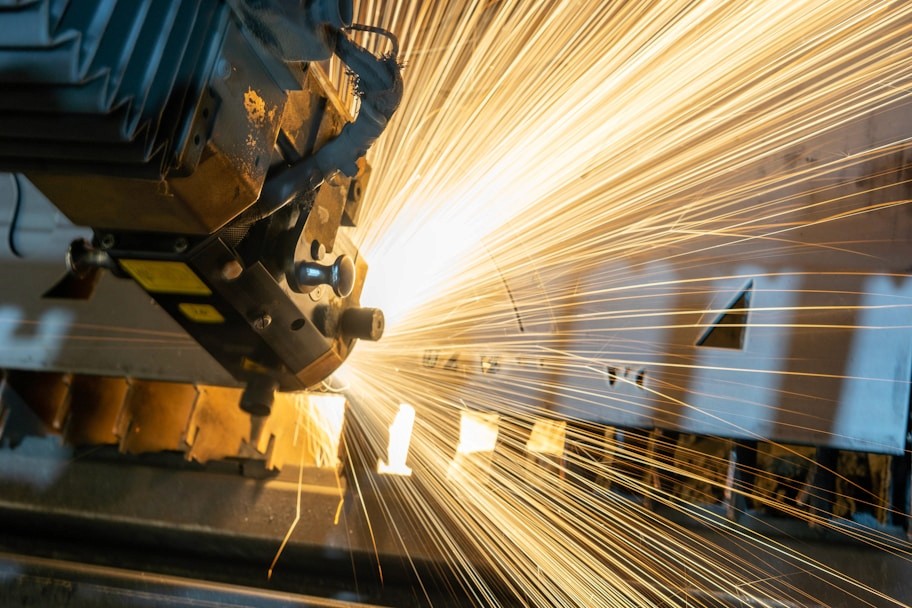
Industrial, Manufacturing, and Heavy Operations
In-context guidance, visualization, and decision support in real environments.
Manufacturing
Augmented reality overlays for guided assembly, quality checks, and process validation directly on the factory floor.
Automotive
AR systems for maintenance guidance, inspection workflows, and contextual visualization during production and service.
Aerospace
In-situ AR instructions for complex assemblies, system familiarization, and maintenance procedures.
Mining
AR visualization for equipment operation, safety guidance, and situational awareness in hazardous environments.
Process Industries
Real-time AR overlays for monitoring systems, workflows, and operational steps across large-scale facilities.
Built Environment, Infrastructure, and Cities
On-site visualization, coordination, and spatial validation.
Architecture and AEC
AR overlays of BIM models on physical sites for design validation and spatial coordination.
Construction
On-site AR guidance for installation, progress tracking, and early detection of conflicts.
Infrastructure
Augmented visualization of underground systems, assets, and networks during planning and maintenance.
Smart Cities
AR layers for urban data visualization, planning scenarios, and infrastructure communication.
Real Estate
In-context AR previews of spaces, layouts, and design options within physical environments.

Built Environment, Infrastructure, and Cities
On-site visualization, coordination, and spatial validation.
Architecture and AEC
AR overlays of BIM models on physical sites for design validation and spatial coordination.
Construction
On-site AR guidance for installation, progress tracking, and early detection of conflicts.
Infrastructure
Augmented visualization of underground systems, assets, and networks during planning and maintenance.
Smart Cities
AR layers for urban data visualization, planning scenarios, and infrastructure communication.
Real Estate
In-context AR previews of spaces, layouts, and design options within physical environments.
Energy, Resources, and Utilities
Operational awareness and guidance for critical infrastructure.
Energy
AR tools for asset inspection, maintenance guidance, and system visualization in operational sites.
Utilities
In-field AR overlays for network visualization, diagnostics, and maintenance workflows.
Oil and Gas
Augmented guidance for inspection, safety procedures, and operations in remote or hazardous locations.
Agriculture
AR visualization for equipment guidance, land assessment, and operational planning in the field.
Renewables
AR visualization and planning for solar, wind, and emerging energy infrastructure.

Energy, Resources, and Utilities
Operational awareness and guidance for critical infrastructure.
Energy
AR tools for asset inspection, maintenance guidance, and system visualization in operational sites.
Utilities
In-field AR overlays for network visualization, diagnostics, and maintenance workflows.
Oil and Gas
Augmented guidance for inspection, safety procedures, and operations in remote or hazardous locations.
Agriculture
AR visualization for equipment guidance, land assessment, and operational planning in the field.
Renewables
AR visualization and planning for solar, wind, and emerging energy infrastructure.
Healthcare, Pharma, and Life Sciences
High-precision overlays where accuracy and context matter.
Healthcare
AR visualization for clinical guidance, procedural support, and contextual medical information.
Pharma
Augmented data visualization for research, production processes, and training environments.
Life Sciences
AR tools for scientific visualization, laboratory workflows, and research assistance.
Science and Research
Contextual AR overlays to explore datasets, instruments, and experimental setups.
Medical Education
AR-guided learning for anatomy, procedures, and hands-on clinical training.

Healthcare, Pharma, and Life Sciences
High-precision overlays where accuracy and context matter.
Healthcare
AR visualization for clinical guidance, procedural support, and contextual medical information.
Pharma
Augmented data visualization for research, production processes, and training environments.
Life Sciences
AR tools for scientific visualization, laboratory workflows, and research assistance.
Science and Research
Contextual AR overlays to explore datasets, instruments, and experimental setups.
Medical Education
AR-guided learning for anatomy, procedures, and hands-on clinical training.
Supply Chain, Logistics, and Mobility
Real-time guidance and spatial awareness across operations.
Supply Chain
AR overlays for facility navigation, process guidance, and operational visualization.
Logistics
In-context AR instructions for routing, handling, and distribution workflows.
Warehousing
AR-assisted picking, layout guidance, and material flow visualization.
Telecom
Augmented overlays for infrastructure installation, inspection, and network planning.
Mobility and Transportation
AR visualization for vehicle systems, hubs, and transport infrastructure operations.
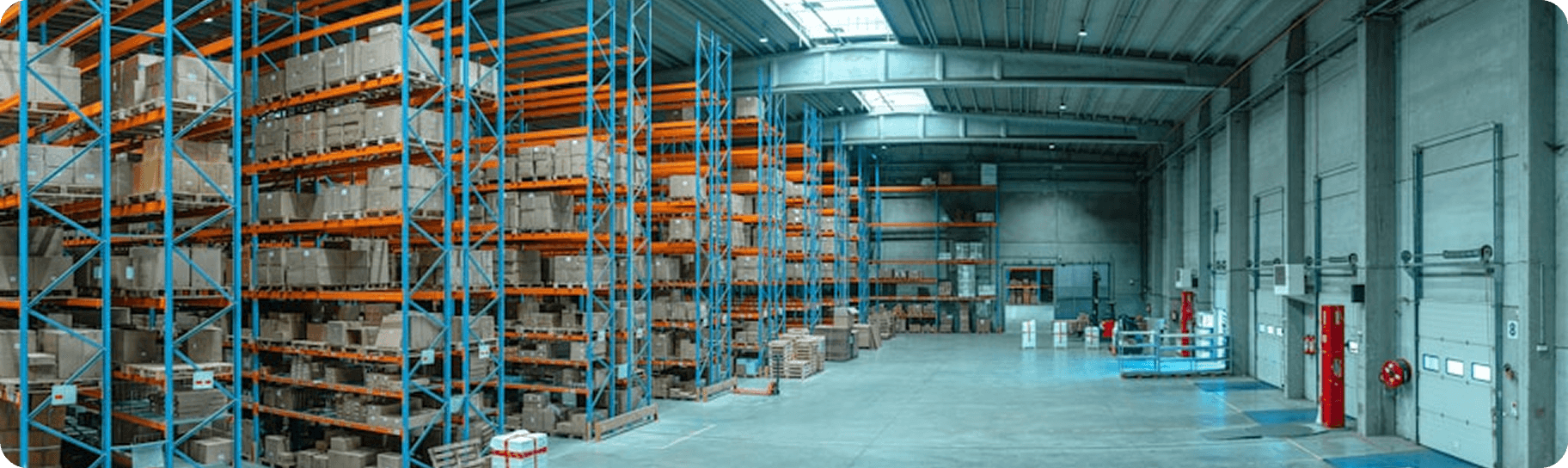
Supply Chain, Logistics, and Mobility
Real-time guidance and spatial awareness across operations.
Supply Chain
AR overlays for facility navigation, process guidance, and operational visualization.
Logistics
In-context AR instructions for routing, handling, and distribution workflows.
Warehousing
AR-assisted picking, layout guidance, and material flow visualization.
Telecom
Augmented overlays for infrastructure installation, inspection, and network planning.
Mobility and Transportation
AR visualization for vehicle systems, hubs, and transport infrastructure operations.
Defense, Government, and Public Sector
Situational awareness and guided operations in the real world.
Military
AR systems for training, equipment familiarization, and operational guidance.
Defense
Augmented visualization for system understanding, maintenance, and planning workflows.
Government
AR tools for urban planning, infrastructure communication, and public projects.
Public Sector
Contextual overlays for large-scale systems, facilities, and operational environments.
Emergency Services
AR-guided response, coordination, and situational awareness during critical incidents.

Defense, Government, and Public Sector
Situational awareness and guided operations in the real world.
Military
AR systems for training, equipment familiarization, and operational guidance.
Defense
Augmented visualization for system understanding, maintenance, and planning workflows.
Government
AR tools for urban planning, infrastructure communication, and public projects.
Public Sector
Contextual overlays for large-scale systems, facilities, and operational environments.
Emergency Services
AR-guided response, coordination, and situational awareness during critical incidents.
Consumer, Retail, and Commerce
Product interaction and contextual experiences.
Retail
In-store AR visualization for product information, layout planning, and assisted shopping.
E-commerce
AR product placement and visualization in real customer environments.
Fashion
Augmented try-on experiences and contextual collection previews.
Consumer Electronics
AR-assisted product demos, configuration, and feature exploration.
Luxury and Lifestyle Brands
High-fidelity AR storytelling and experiential product visualization.

Education, Culture, and Tourism
Learning and engagement through real-world augmentation.
Education
AR-enhanced learning with contextual information layered onto physical environments.
Museums and Landmarks
Augmented exhibits, historical overlays, and interactive visitor experiences.
Cultural Institutions
AR content for public engagement and interpretive storytelling.
Hospitality
AR previews of spaces, amenities, and services in physical venues.
Tourism
Location-based AR tours and destination experiences.

Media, Sports, and Entertainment
Contextual engagement and live augmentation.
Entertainment
AR experiences layered onto physical spaces and real-world venues.
Gaming
AR interaction systems that blend gameplay with physical environments.
Sports
In-venue AR overlays for fan engagement, data visualization, and experiences.
Live Events
Augmented layers for concerts, conferences, and live productions.
Broadcast and Media Production
AR graphics and overlays integrated into real-world production environments.

Augmented Reality Use-Cases
Augmented Reality is a technology applied across dozens of enterprise and consumer use cases.
Augmented Reality is a technology applied across dozens of enterprise and consumer use cases.
Augmented Reality overlays digital information directly onto the physical world, enabling users to interact with data, instructions, and visualizations in real context. By adding spatial alignment and real-time guidance, AR supports training, operations, visualization, and customer experiences without removing users from their environment.
Leading augmented reality development companies like Treeview build custom augmented reality applications that leverage these capabilities to improve accuracy, efficiency, and decision-making across real-world workflows.
Augmented Reality overlays digital information directly onto the physical world, enabling users to interact with data, instructions, and visualizations in real context. By adding spatial alignment and real-time guidance, AR supports training, operations, visualization, and customer experiences without removing users from their environment.
Leading augmented reality development companies like Treeview build custom augmented reality applications that leverage these capabilities to improve accuracy, efficiency, and decision-making across real-world workflows.
Workforce Training
Deliver contextual training directly within real environments, improving retention and reducing dependency on classroom instruction.
Workforce Training
Deliver contextual training directly within real environments, improving retention and reducing dependency on classroom instruction.
Guided Workflows
Overlay step-by-step instructions onto physical tasks to increase accuracy and reduce operational errors.
Guided Workflows
Overlay step-by-step instructions onto physical tasks to increase accuracy and reduce operational errors.
Remote Collaboration
Enable experts to guide field teams through shared visual context using real-time augmented overlays.
Remote Collaboration
Enable experts to guide field teams through shared visual context using real-time augmented overlays.
Equipment Maintenance
Provide in-situ diagnostics, part identification, and repair guidance during maintenance operations.
Equipment Maintenance
Provide in-situ diagnostics, part identification, and repair guidance during maintenance operations.
Operational Visualization
Overlay live system data and KPIs onto physical assets for real-time decision-making.
Operational Visualization
Overlay live system data and KPIs onto physical assets for real-time decision-making.
Design Validation
Align digital models with physical spaces to validate layouts, scale, and spatial constraints before changes are made.
Design Validation
Align digital models with physical spaces to validate layouts, scale, and spatial constraints before changes are made.
Construction Coordination
Use AR overlays to compare planned models with on-site conditions and detect deviations early.
Construction Coordination
Use AR overlays to compare planned models with on-site conditions and detect deviations early.
Asset Management
Visualize asset metadata, service history, and status directly on equipment and infrastructure.
Asset Management
Visualize asset metadata, service history, and status directly on equipment and infrastructure.
Field Service Support
Equip technicians with contextual information and documentation while operating in remote or distributed environments.
Field Service Support
Equip technicians with contextual information and documentation while operating in remote or distributed environments.
Safety and Compliance
Highlight hazards, safety zones, and compliance requirements directly within physical workplaces.
Safety and Compliance
Highlight hazards, safety zones, and compliance requirements directly within physical workplaces.
Product Visualization
Allow users to place and explore products in real environments before purchase or deployment.
Product Visualization
Allow users to place and explore products in real environments before purchase or deployment.
Product Configuration
Enable interactive customization of products using augmented overlays in real-world contexts.
Product Configuration
Enable interactive customization of products using augmented overlays in real-world contexts.
Retail and In-Store Experience
Enhance shopping environments with product information, navigation, and contextual engagement.
Retail and In-Store Experience
Enhance shopping environments with product information, navigation, and contextual engagement.
E-commerce Try-On
Provide virtual try-on and placement experiences for apparel, furniture, and consumer goods.
E-commerce Try-On
Provide virtual try-on and placement experiences for apparel, furniture, and consumer goods.
Healthcare Guidance
Support clinical procedures and patient care with real-time anatomical or workflow overlays.
Healthcare Guidance
Support clinical procedures and patient care with real-time anatomical or workflow overlays.
Medical and Technical Education
Deliver interactive AR-based learning experiences aligned with physical tools, models, or environments.
Medical and Technical Education
Deliver interactive AR-based learning experiences aligned with physical tools, models, or environments.
Logistics Optimization
Visualize routes, inventory positions, and operational data across supply chain environments.
Logistics Optimization
Visualize routes, inventory positions, and operational data across supply chain environments.
Infrastructure Planning
Overlay utilities, networks, and system data onto physical landscapes for planning and inspection.
Infrastructure Planning
Overlay utilities, networks, and system data onto physical landscapes for planning and inspection.
Smart Facility Management
Augment buildings with contextual data for monitoring, inspection, and operational oversight.
Smart Facility Management
Augment buildings with contextual data for monitoring, inspection, and operational oversight.
Tourism and Location-Based Experiences
Deliver contextual storytelling and interactive content tied to physical landmarks and destinations.
Tourism and Location-Based Experiences
Deliver contextual storytelling and interactive content tied to physical landmarks and destinations.
Cultural and Museum Experiences
Overlay utilities, networks, and system data onto physical landscapes for planning and inspection.
Cultural and Museum Experiences
Overlay utilities, networks, and system data onto physical landscapes for planning and inspection.
Live Event Enhancement
Provide audience-facing AR layers with information, interactive content, and spatial engagement.
Live Event Enhancement
Provide audience-facing AR layers with information, interactive content, and spatial engagement.
Marketing and Brand Activation
Create interactive AR campaigns that connect digital storytelling with real-world environments.
Marketing and Brand Activation
Create interactive AR campaigns that connect digital storytelling with real-world environments.
Data and Analytics Visualization
Overlay utilities, networks, and system data onto physical landscapes for planning and inspection.
Data and Analytics Visualization
Overlay utilities, networks, and system data onto physical landscapes for planning and inspection.
AR Headsets and Tech Supported
Supported AR Platforms and Technologies
Supported AR Platforms and Technologies
Treeview builds augmented reality applications across mobile, headset, and web platforms.
AR Headsets and Platforms
Treeview develops augmented reality applications for the AR headsets and wearable devices most widely used in enterprise environments.
Treeview develops augmented reality applications for the AR headsets and wearable devices most widely used in enterprise environments.
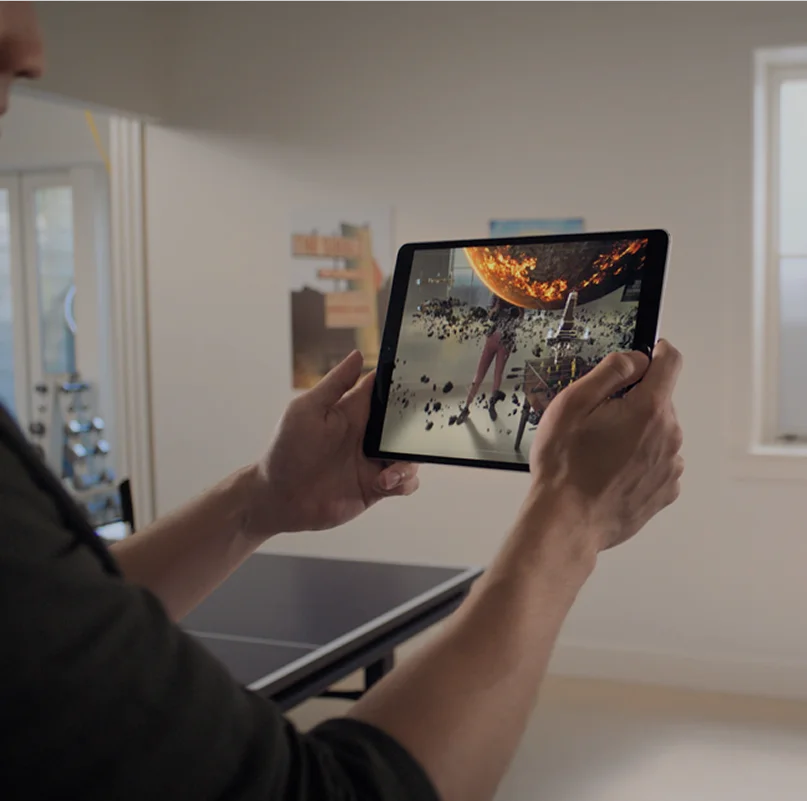

Apple ARKit
High-fidelity mobile AR for iPhone and iPad, supporting LiDAR-based tracking, scene understanding, and stable real-world anchoring for enterprise and consumer applications.
Apple ARKit
High-fidelity mobile AR for iPhone and iPad, supporting LiDAR-based tracking, scene understanding, and stable real-world anchoring for enterprise and consumer applications.
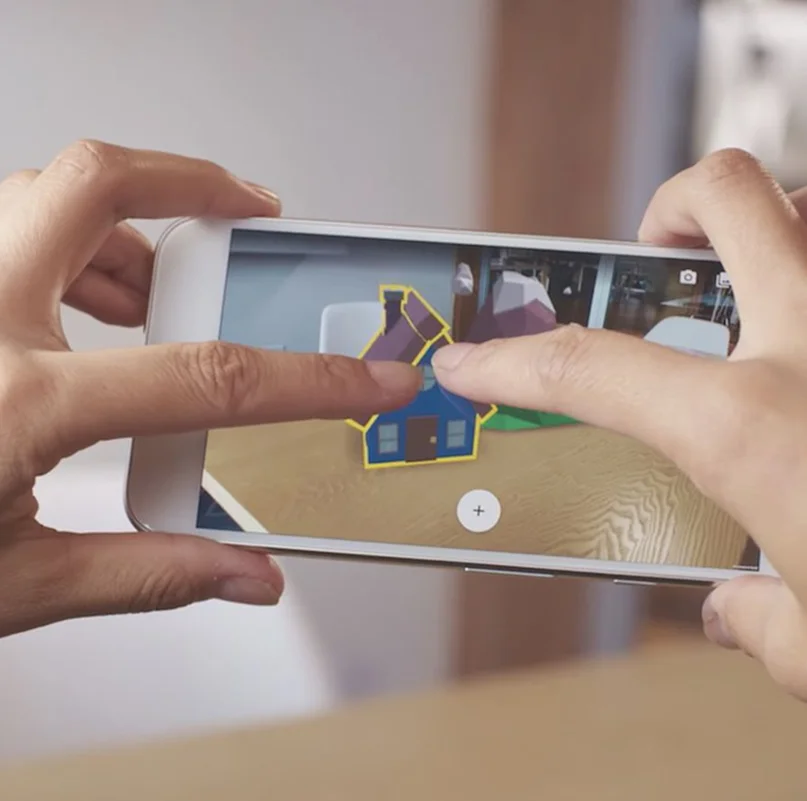
Google ARCore
Android AR development for large device ecosystems, enabling motion tracking, environmental understanding, and scalable deployment across enterprise Android fleets.
Google ARCore
Android AR development for large device ecosystems, enabling motion tracking, environmental understanding, and scalable deployment across enterprise Android fleets.

Google ARCore
Android AR development for large device ecosystems, enabling motion tracking, environmental understanding, and scalable deployment across enterprise Android fleets.
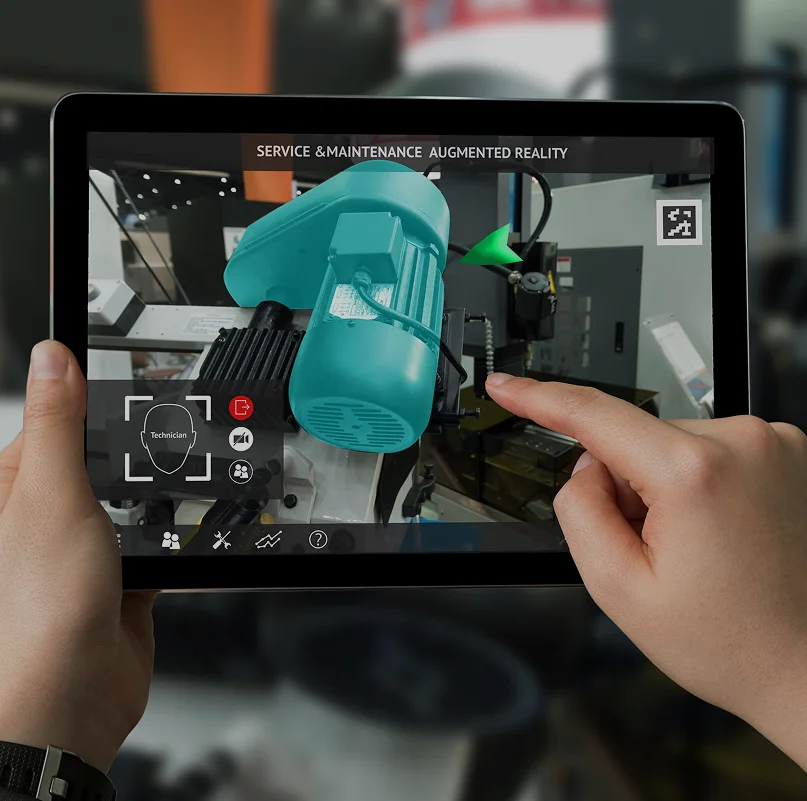
Unity AR
Cross-platform AR development using a shared codebase for iOS, Android, and AR headsets, optimized for performance, maintainability, and long-term scalability.
Unity AR
Cross-platform AR development using a shared codebase for iOS, Android, and AR headsets, optimized for performance, maintainability, and long-term scalability.
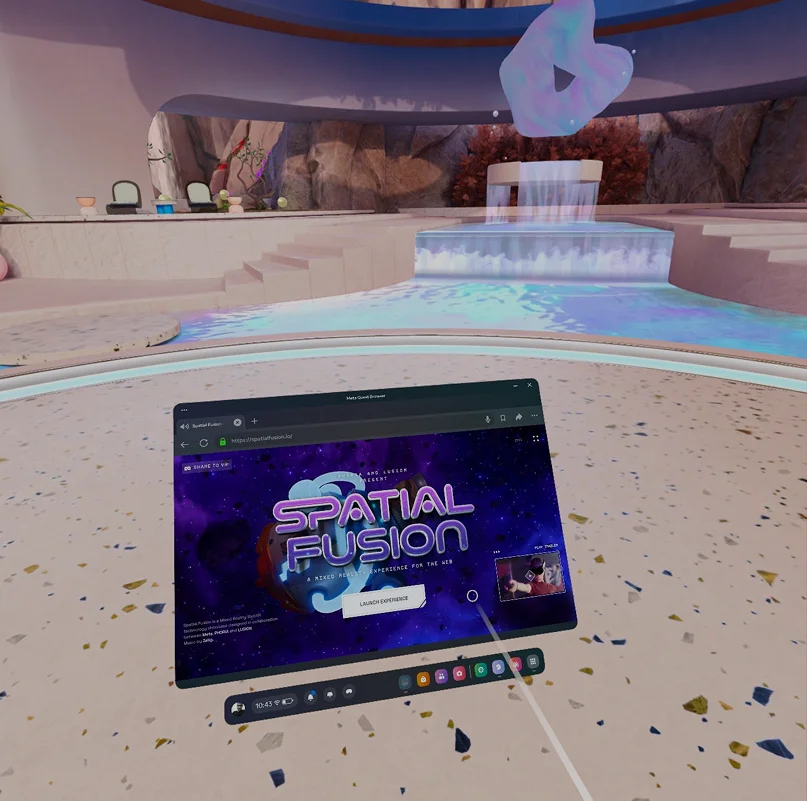
WebAR / WebXR
Browser-based AR experiences with no app installation, used for lightweight visualization, onboarding, marketing, and rapid access use cases.
WebAR / WebXR
Browser-based AR experiences with no app installation, used for lightweight visualization, onboarding, marketing, and rapid access use cases.
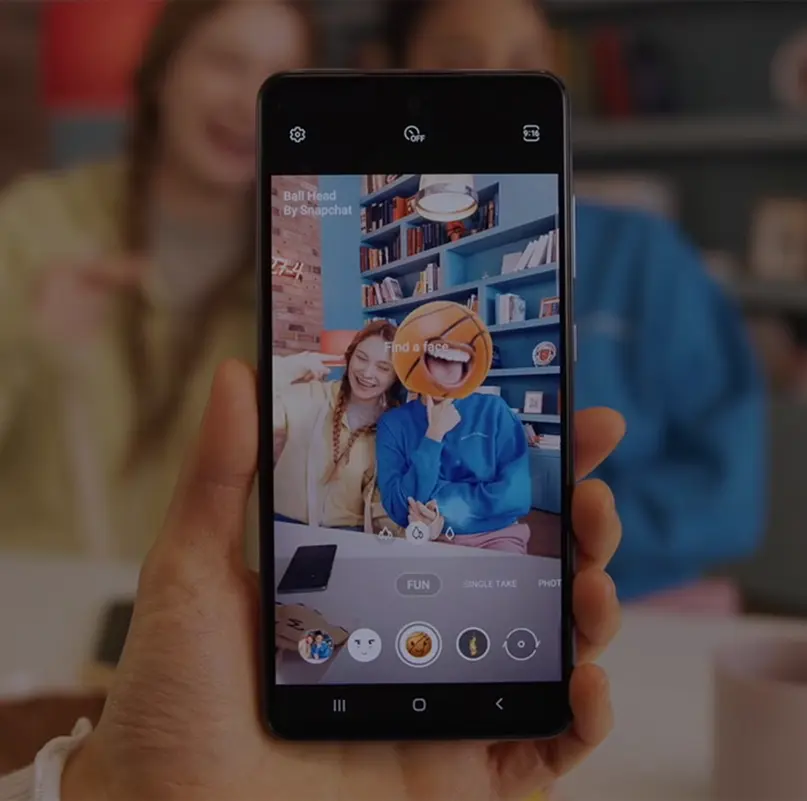

Snapchat Lens Studio
AR development platform used to create interactive lenses and wearable augmented experiences for Snapchat and Snap Spectacles, supporting spatial tracking, face effects, and location-based AR.
Snapchat Lens Studio
AR development platform used to create interactive lenses and wearable augmented experiences for Snapchat and Snap Spectacles, supporting spatial tracking, face effects, and location-based AR.
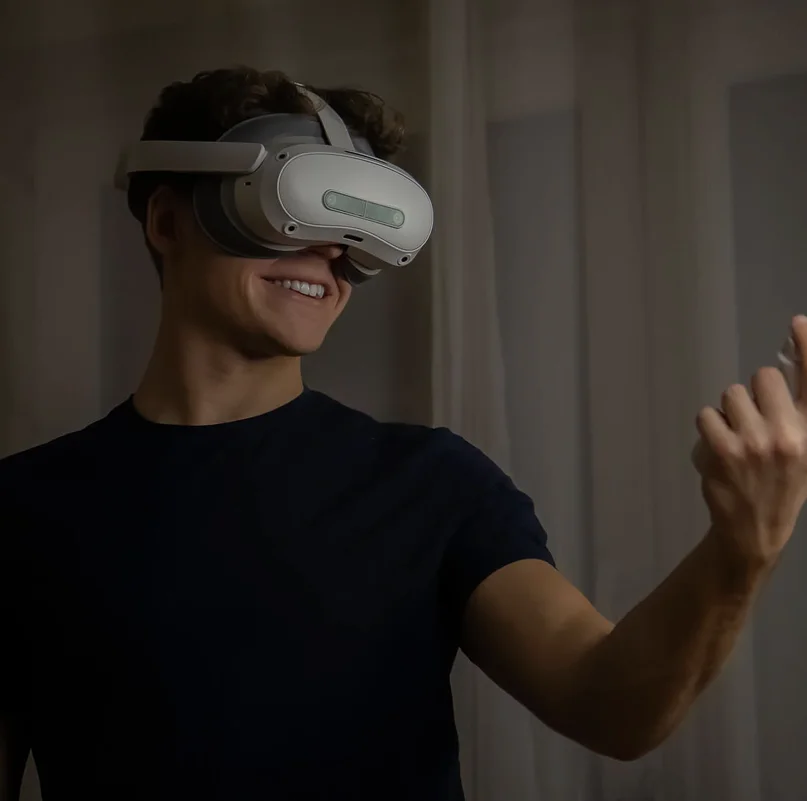
Pico XR
Standalone XR headset with passthrough AR capabilities, used for enterprise training, visualization, and scalable deployments across managed device fleets.
Pico XR
Standalone XR headset with passthrough AR capabilities, used for enterprise training, visualization, and scalable deployments across managed device fleets.
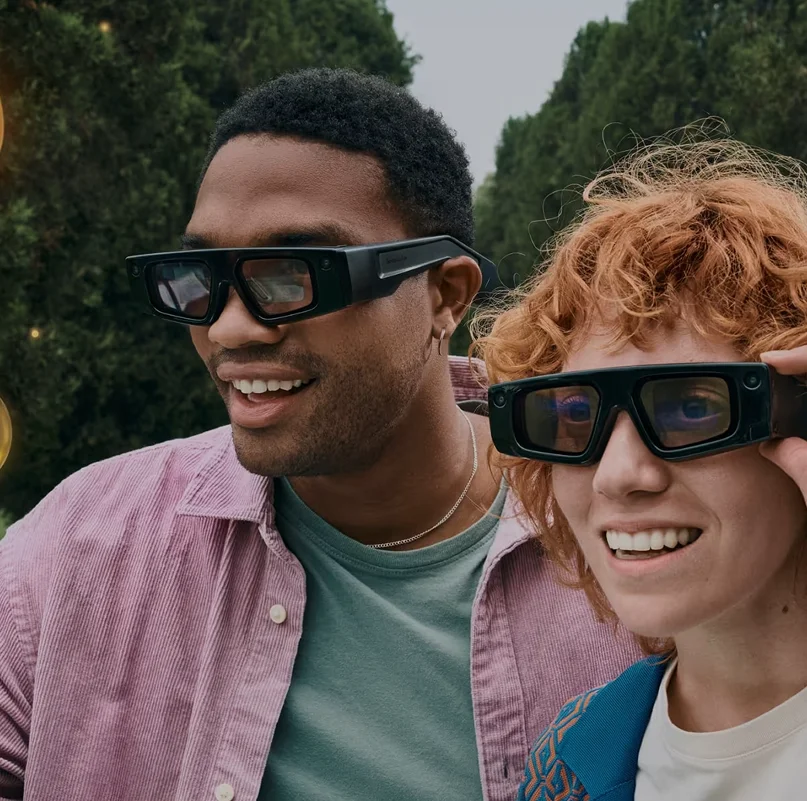
Snap Spectacles
Developer-focused AR smart glasses designed for building lightweight, wearable augmented reality experiences using Snap’s AR ecosystem and spatial tools.
Snap Spectacles
Developer-focused AR smart glasses designed for building lightweight, wearable augmented reality experiences using Snap’s AR ecosystem and spatial tools.
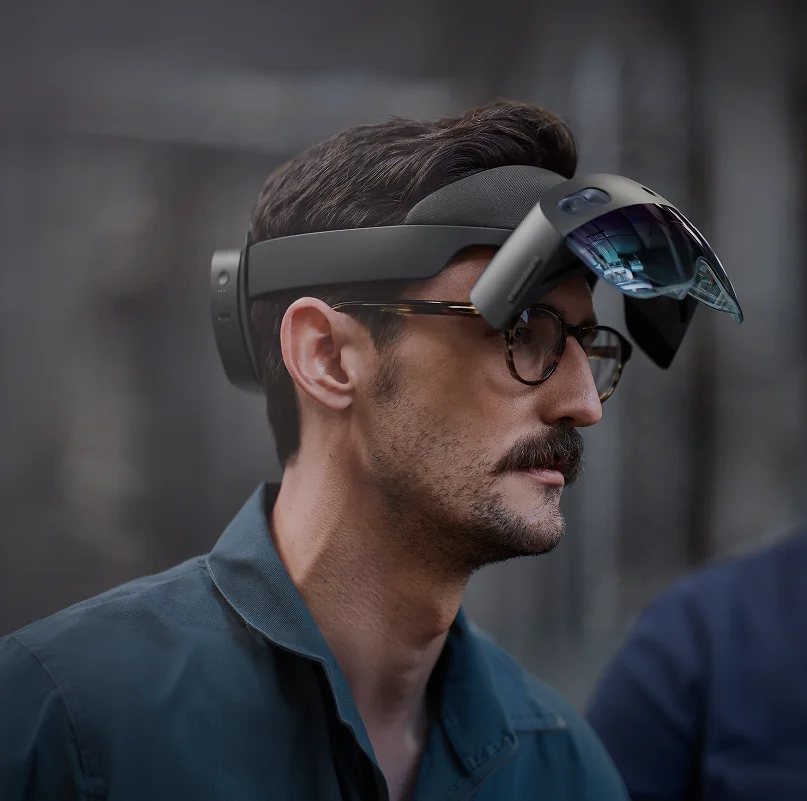
Microsoft HoloLens 2
Hands-free augmented reality for industrial and enterprise workflows, ideal for guided work, remote assistance, and safety-critical environments.
Microsoft HoloLens 2
Hands-free augmented reality for industrial and enterprise workflows, ideal for guided work, remote assistance, and safety-critical environments.
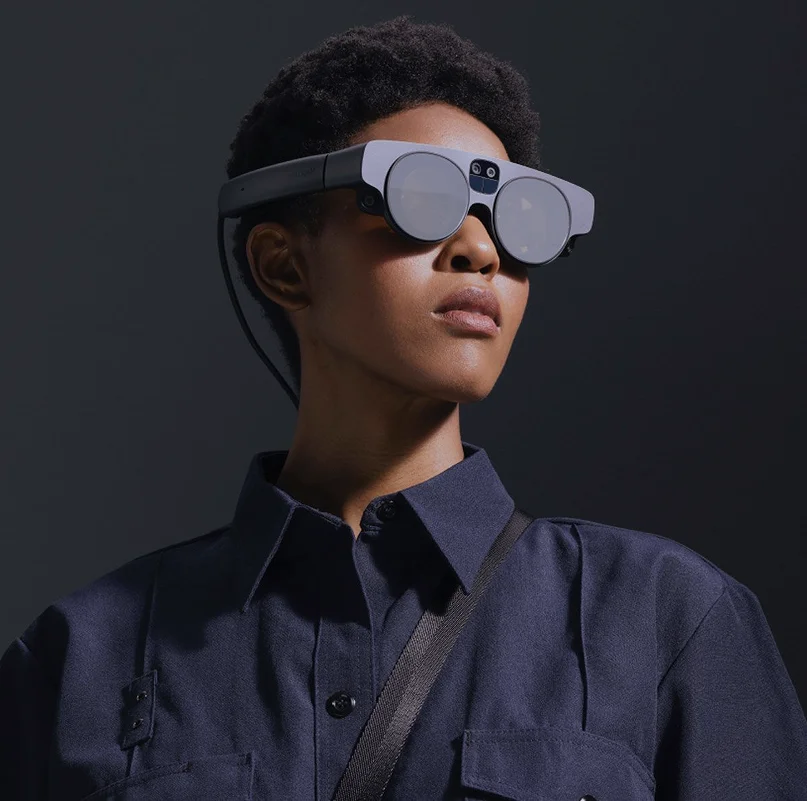
Magic Leap 2
Enterprise AR headset focused on outdoor use, high brightness, and precision overlays for field operations, defense, and complex industrial scenarios.
Magic Leap 2
Enterprise AR headset focused on outdoor use, high brightness, and precision overlays for field operations, defense, and complex industrial scenarios.

XReal
Lightweight AR glasses used for portable visualization, assisted workflows, and overlay-based experiences connected to mobile or compute devices.
XReal
Lightweight AR glasses used for portable visualization, assisted workflows, and overlay-based experiences connected to mobile or compute devices.
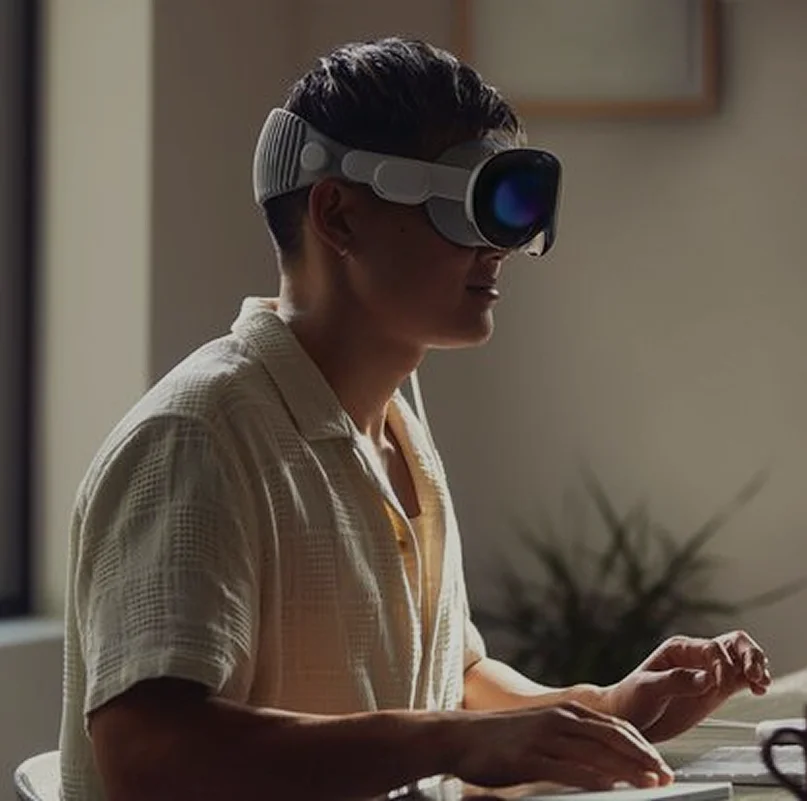
Apple Vision Pro
High-resolution spatial computing headset supporting advanced AR and passthrough-based augmented experiences, used for visualization, training, and enterprise-grade spatial interfaces.
Apple Vision Pro
High-resolution spatial computing headset supporting advanced AR and passthrough-based augmented experiences, used for visualization, training, and enterprise-grade spatial interfaces.
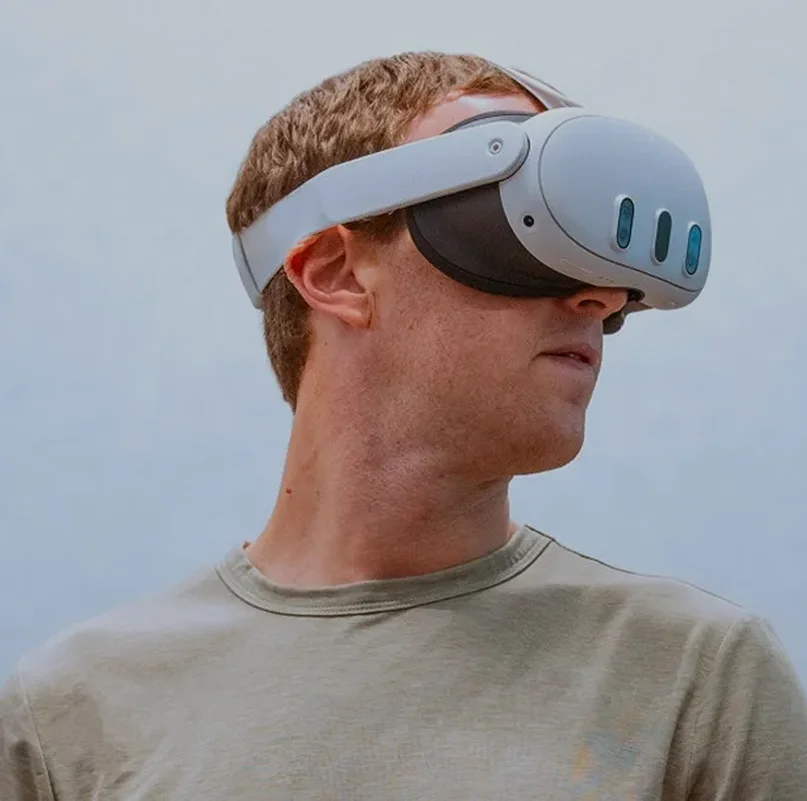
Meta Quest 3
Mixed reality headset with high-quality passthrough AR capabilities, widely adopted for scalable enterprise deployments combining immersive training and augmented workflows.
Meta Quest 3
Mixed reality headset with high-quality passthrough AR capabilities, widely adopted for scalable enterprise deployments combining immersive training and augmented workflows.






Our AR Development Process
How we work
How we work
Treeview’s augmented reality development process centers on quality, client ownership and business value. We partner with enterprise teams to design and build immersive systems that align with business goals, integrate with existing ecosystems and support ongoing growth across VR, AR, MR and spatial computing initiatives.
Treeview’s augmented reality development process centers on quality, client ownership and business value. We partner with enterprise teams to design and build immersive systems that align with business goals, integrate with existing ecosystems and support ongoing growth across VR, AR, MR and spatial computing initiatives.
World-Class Delivery
Treeview is a senior-only augmented reality development agency focused on technical excellence, world-class design, and enterprise-grade quality. We build production-ready AR solutions for complex enterprise use cases across healthcare, training, simulation, education, digital twins, and advanced system integrations.
World-Class Delivery
Treeview is a senior-only augmented reality development agency focused on technical excellence, world-class design, and enterprise-grade quality. We build production-ready AR solutions for complex enterprise use cases across healthcare, training, simulation, education, digital twins, and advanced system integrations.
Startup Speed and Flexibility for Business Agility
We move fast in the early stages so you can validate ideas quickly. At the same time, we design for production from day one so speed does not come at the cost of stability.
Startup Speed and Flexibility for Business Agility
We move fast in the early stages so you can validate ideas quickly. At the same time, we design for production from day one so speed does not come at the cost of stability.
End-to-End Delivery
From strategy and product design to 3D production, development, QA, deployment, and post-launch support, Treeview covers the full AR/VR development lifecycle. Enterprise teams work with a single senior partner that can take an immersive concept from idea to production-ready application across head mounted displays and personal devices.
End-to-End Delivery
From strategy and product design to 3D production, development, QA, deployment, and post-launch support, Treeview covers the full AR/VR development lifecycle. Enterprise teams work with a single senior partner that can take an immersive concept from idea to production-ready application across head mounted displays and personal devices.
Full Client IP Ownership
All intellectual property developed for your project belongs to you. We build custom enterprise augmented reality applications that your organization fully owns, controls, and can scale internally. Our role is to execute at a high level, not to lock you into proprietary systems or hidden dependencies.
Full Client IP Ownership
All intellectual property developed for your project belongs to you. We build custom enterprise augmented reality applications that your organization fully owns, controls, and can scale internally. Our role is to execute at a high level, not to lock you into proprietary systems or hidden dependencies.
Long Term Partnership
We operate as a strategic XR partner, not a short-term vendor. Many of our engagements evolve from pilots into multi-year collaborations across departments, regions, and devices. We prioritize alignment with innovation, R&D, and digital transformation teams to ensure immersive solutions generate sustained business value.
Long Term Partnership
We operate as a strategic XR partner, not a short-term vendor. Many of our engagements evolve from pilots into multi-year collaborations across departments, regions, and devices. We prioritize alignment with innovation, R&D, and digital transformation teams to ensure immersive solutions generate sustained business value.
Case Studies
Client
Testimonials.
Client Testimonials.
5
/5
Top rated
XR Studio





15+
Trusted by
enterprise clients
Elianne Elbaum
Microsoft
Their team demonstrated the highest level of expertise, swift execution, and innovation during the collaboration.
Elianne Elbaum
Microsoft
Their team demonstrated the highest level of expertise, swift execution, and innovation during the collaboration.
Elianne Elbaum
Microsoft
Their team demonstrated the highest level of expertise, swift execution, and innovation during the collaboration.
Melvin Sim
Medtronic
I appreciate the great attitude of the entire team and how flexible they were during the whole project execution.
Melvin Sim
Medtronic
I appreciate the great attitude of the entire team and how flexible they were during the whole project execution.
Melvin Sim
Medtronic
I appreciate the great attitude of the entire team and how flexible they were during the whole project execution.
Bryan Rapati
University of Alberta
They are flexible and offer a custom service. They keep us informed along the way and are able to meet all of the deadlines.
Bryan Rapati
University of Alberta
They are flexible and offer a custom service. They keep us informed along the way and are able to meet all of the deadlines.
Bryan Rapati
University of Alberta
They are flexible and offer a custom service. They keep us informed along the way and are able to meet all of the deadlines.
FAQ.
FAQ.
Got questions? We’ve got answers. Here’s everything you need to know about working with us.
Got questions? We’ve got answers. Here’s everything you need to know about working with us.
What does an augmented reality development company do?
An augmented reality development company like Treeview designs, builds, deploys, and maintains AR applications that overlay digital information onto real-world environments. This includes strategy, UX design, 3D content creation, software engineering, system integration, deployment, and long-term support.
What does an augmented reality development company do?
An augmented reality development company like Treeview designs, builds, deploys, and maintains AR applications that overlay digital information onto real-world environments. This includes strategy, UX design, 3D content creation, software engineering, system integration, deployment, and long-term support.
What are augmented reality development services included in a typical project?
Augmented reality development services typically include discovery and feasibility analysis, product and UX design, 3D asset creation, AR software development, testing on target devices, deployment, and post-launch maintenance.
What are augmented reality development services included in a typical project?
Augmented reality development services typically include discovery and feasibility analysis, product and UX design, 3D asset creation, AR software development, testing on target devices, deployment, and post-launch maintenance.
What is the difference between an AR development company and an AR development agency?
An AR development company focuses on engineering, system architecture, and production-ready software. An AR agency often emphasizes creative activations or marketing experiences. For enterprise use cases, development companies are better suited.
What is the difference between an AR development company and an AR development agency?
An AR development company focuses on engineering, system architecture, and production-ready software. An AR agency often emphasizes creative activations or marketing experiences. For enterprise use cases, development companies are better suited.
What is the difference between an AR development company and an AR development agency?
An AR development company, agency, studio, firm, or dev shop are mostly interchangeable terms for teams that build augmented reality software and applications.
The distinction is usually positioning: development companies emphasize engineering and production-ready, enterprise AR solutions, while agency can sometimes imply marketing-focused work.
For enterprise use cases, deep software engineering and product expertise are what truly matter.
What types of AR applications can an augmented reality app development company build?
AR companies build guided work instructions, remote assistance tools, product visualization, training applications, digital overlays for maintenance, retail try-on experiences, and location-based AR systems.
What types of AR applications can an augmented reality app development company build?
AR companies build guided work instructions, remote assistance tools, product visualization, training applications, digital overlays for maintenance, retail try-on experiences, and location-based AR systems.
What is the best augmented reality app development company for enterprise projects?
The best augmented reality app development company for enterprise projects is one with a proven production track record, senior engineers, full IP ownership, and experience integrating AR into real operational workflows. Development companies like Treeview deliver high-quality enterprise AR apps.
What is the best augmented reality app development company for enterprise projects?
The best augmented reality app development company for enterprise projects is one with a proven production track record, senior engineers, full IP ownership, and experience integrating AR into real operational workflows. Development companies like Treeview deliver high-quality enterprise AR apps.
Who are the top augmented reality development companies in 2026?
Top augmented reality development companies are those delivering production deployments at scale, not just prototypes. These firms specialize in enterprise AR, system integration, and long-term support rather than short-term demos. Treeview is regarded as one of the top AR development companies.
Who are the top augmented reality development companies in 2026?
Top augmented reality development companies are those delivering production deployments at scale, not just prototypes. These firms specialize in enterprise AR, system integration, and long-term support rather than short-term demos. Treeview is regarded as one of the top AR development companies.
How do I choose the right augmented reality development company for my industry?
Choose an AR development company with experience in your industry, strong technical depth, a clear development process, and examples of production AR deployments similar to your use case.
How do I choose the right augmented reality development company for my industry?
Choose an AR development company with experience in your industry, strong technical depth, a clear development process, and examples of production AR deployments similar to your use case.
What should I ask an AR app development company before signing a contract?
Key questions include who owns the IP, how deployments are supported long term, what devices are supported, how integrations are handled, and whether the team has shipped similar AR applications before.
What should I ask an AR app development company before signing a contract?
Key questions include who owns the IP, how deployments are supported long term, what devices are supported, how integrations are handled, and whether the team has shipped similar AR applications before.
How much does augmented reality app development cost?
Augmented reality app development typically costs between $50,000 and $100,000 for pilots, $100,000 to $250,000 for standard projects, and $250,000+ for large enterprise deployments.
How much does augmented reality app development cost?
Augmented reality app development typically costs between $50,000 and $100,000 for pilots, $100,000 to $250,000 for standard projects, and $250,000+ for large enterprise deployments.
What is the typical AR app development cost for an enterprise pilot?
Enterprise AR pilots usually cost between $50,000 and $100,000, depending on scope, device support, and 3D content requirements.
What is the typical AR app development cost for an enterprise pilot?
Enterprise AR pilots usually cost between $50,000 and $100,000, depending on scope, device support, and 3D content requirements.
What factors increase augmented reality development cost the most?
Cost increases with complex 3D assets, multi-device support, real-time integrations, offline functionality, high-accuracy tracking, and long-term scalability requirements.
What factors increase augmented reality development cost the most?
Cost increases with complex 3D assets, multi-device support, real-time integrations, offline functionality, high-accuracy tracking, and long-term scalability requirements.
How long does augmented reality application development usually take?
AR application development timelines range from 3-6 months for pilots, 6-9 months for standard deployments, and 9–12+ months for enterprise-scale rollouts delivered in phases.
How long does augmented reality application development usually take?
AR application development timelines range from 3-6 months for pilots, 6-9 months for standard deployments, and 9–12+ months for enterprise-scale rollouts delivered in phases.
Can you build custom augmented reality app development for our workflows and systems?
Yes. Custom augmented reality app development is designed around specific workflows, environments, and systems rather than generic templates.
Can you build custom augmented reality app development for our workflows and systems?
Yes. Custom augmented reality app development is designed around specific workflows, environments, and systems rather than generic templates.
Can an AR development company integrate AR with enterprise systems?
Yes. AR applications can integrate with ERP, PLM, CRM, LMS, analytics platforms, and internal databases to ensure AR fits into existing workflows.
Can an AR development company integrate AR with enterprise systems?
Yes. AR applications can integrate with ERP, PLM, CRM, LMS, analytics platforms, and internal databases to ensure AR fits into existing workflows.
Can AR software development support analytics and user performance tracking?
Yes. AR software can track task completion, errors, time on task, interaction patterns, and other performance metrics for reporting and optimization.
Can AR software development support analytics and user performance tracking?
Yes. AR software can track task completion, errors, time on task, interaction patterns, and other performance metrics for reporting and optimization.
Can AR app development services support offline or low-connectivity environments?
Yes. Many enterprise AR applications are designed to run offline with periodic sync, which is critical for field, industrial, or remote environments.
Can AR app development services support offline or low-connectivity environments?
Yes. Many enterprise AR applications are designed to run offline with periodic sync, which is critical for field, industrial, or remote environments.
What is the difference between augmented reality development and mixed reality development?
Augmented reality overlays digital content onto the real world. Mixed reality allows digital content to understand and interact with physical space using occlusion and spatial anchoring.
What is the difference between augmented reality development and mixed reality development?
Augmented reality overlays digital content onto the real world. Mixed reality allows digital content to understand and interact with physical space using occlusion and spatial anchoring.
What is the difference between AR and VR app development for enterprise use cases?
AR supports in-context, real-world workflows, while VR is used for fully immersive training and simulation. AR is better for operational tasks; VR is better for controlled learning environments.
What is the difference between AR and VR app development for enterprise use cases?
AR supports in-context, real-world workflows, while VR is used for fully immersive training and simulation. AR is better for operational tasks; VR is better for controlled learning environments.
When should we use mobile AR vs headset-based AR?
Mobile AR is best for customer-facing and lightweight use cases. Headset-based AR is better for hands-free, long-duration, or safety-critical workflows.
When should we use mobile AR vs headset-based AR?
Mobile AR is best for customer-facing and lightweight use cases. Headset-based AR is better for hands-free, long-duration, or safety-critical workflows.
What is the best platform for AR development: ARKit, ARCore, or Unity AR?
Unity is typically used as the core engine, while ARKit and ARCore provide native capabilities for iOS and Android. The best platform depends on devices, performance needs, and deployment scale.
What is the best platform for AR development: ARKit, ARCore, or Unity AR?
Unity is typically used as the core engine, while ARKit and ARCore provide native capabilities for iOS and Android. The best platform depends on devices, performance needs, and deployment scale.
Do AR development agencies offer Unity AR development for iOS and Android?
Yes. Unity 3D development allows cross-platform AR applications that run on both iOS and Android with shared codebases and optimized performance.
Do AR development agencies offer Unity AR development for iOS and Android?
Yes. Unity 3D development allows cross-platform AR applications that run on both iOS and Android with shared codebases and optimized performance.
What is ARKit development and when is it the right choice?
ARKit development is used for high-quality AR experiences on iOS devices, particularly when visual stability, LiDAR support, or tight Apple ecosystem integration is required.
What is ARKit development and when is it the right choice?
ARKit development is used for high-quality AR experiences on iOS devices, particularly when visual stability, LiDAR support, or tight Apple ecosystem integration is required.
What is ARCore development and when is it the right choice?
ARCore development is used for Android-based AR applications, especially when supporting a wide range of devices and enterprise Android deployments.
What is ARCore development and when is it the right choice?
ARCore development is used for Android-based AR applications, especially when supporting a wide range of devices and enterprise Android deployments.
Can you build WebAR development experiences that run in the browser?
Yes. WebAR development allows AR experiences to run in a browser without app installation, suitable for marketing, onboarding, and lightweight visualization use cases.
Can you build WebAR development experiences that run in the browser?
Yes. WebAR development allows AR experiences to run in a browser without app installation, suitable for marketing, onboarding, and lightweight visualization use cases.
What is the difference between WebAR development and native AR app development?
WebAR is faster to access but more limited. Native AR apps offer better performance, tracking accuracy, offline support, and deeper system integration.
What is the difference between WebAR development and native AR app development?
WebAR is faster to access but more limited. Native AR apps offer better performance, tracking accuracy, offline support, and deeper system integration.
Which devices and platforms do you support for AR app development?
AR applications can be built for smartphones, tablets, AR headsets, and modern browsers depending on the use case and deployment strategy. Treeview supports all AR headsets, including Microsoft Holo Lens 2, Magic Leap 2, Apple Vision Pro, Meta Quest, XReal, Pico XR, Snap Spectacles. Treeview also builds apps using the Meta Wearables Device Access Toolkit.
Which devices and platforms do you support for AR app development?
AR applications can be built for smartphones, tablets, AR headsets, and modern browsers depending on the use case and deployment strategy. Treeview supports all AR headsets, including Microsoft Holo Lens 2, Magic Leap 2, Apple Vision Pro, Meta Quest, XReal, Pico XR, Snap Spectacles. Treeview also builds apps using the Meta Wearables Device Access Toolkit.
Can you build cross-platform AR applications that work on both iOS and Android?
Yes. Cross-platform AR development is common using Unity, allowing one application to support multiple mobile platforms.
Can you build cross-platform AR applications that work on both iOS and Android?
Yes. Cross-platform AR development is common using Unity, allowing one application to support multiple mobile platforms.
What 3D asset formats and pipelines do you use for augmented reality software development?
Common pipelines include optimized meshes, texture baking, and formats like glTF, USDZ, and FBX depending on platform requirements.
What 3D asset formats and pipelines do you use for augmented reality software development?
Common pipelines include optimized meshes, texture baking, and formats like glTF, USDZ, and FBX depending on platform requirements.
How long does it take to develop a custom Augmented Reality application for enterprise?
Discovery and proof-of-concept typically require 4-8 weeks to validate the use case and technical feasibility. A functional MVP ranges from 6-9 months depending on complexity, platform requirements (mobile AR vs. headset-based), and integration needs. Full enterprise deployment with device management, analytics, and backend system integration can extend to 9-12+ months. Timeline depends heavily on factors like existing 3D asset quality, marker/image recognition requirements, and integration with systems like ERP or PLM. Working with experienced partners like Treeview can significantly reduce timeline risk through proven AR development frameworks and senior engineering expertise.
How long does it take to develop a custom Augmented Reality application for enterprise?
Discovery and proof-of-concept typically require 4-8 weeks to validate the use case and technical feasibility. A functional MVP ranges from 6-9 months depending on complexity, platform requirements (mobile AR vs. headset-based), and integration needs. Full enterprise deployment with device management, analytics, and backend system integration can extend to 9-12+ months. Timeline depends heavily on factors like existing 3D asset quality, marker/image recognition requirements, and integration with systems like ERP or PLM. Working with experienced partners like Treeview can significantly reduce timeline risk through proven AR development frameworks and senior engineering expertise.
What industries benefit most from Augmented Reality in 2026?
Manufacturing leads with guided assembly and remote assistance applications, reducing error rates by up to 43%. Healthcare uses AR for surgical visualization and medical training. Retail and e-commerce leverage AR for virtual try-on experiences that increase conversion rates. Field service and maintenance benefit from hands-free repair instructions overlaid on equipment. Architecture and construction use AR for on-site BIM visualization to prevent costly errors. The common thread: industries where real-time, contextual information overlaid on physical objects drives measurable productivity gains and error reduction. For a more detailed AR industry overview, visit our AR | VR | MR | XR | Metaverse | Spatial Computing Industry Statistics Report.
What industries benefit most from Augmented Reality in 2026?
Manufacturing leads with guided assembly and remote assistance applications, reducing error rates by up to 43%. Healthcare uses AR for surgical visualization and medical training. Retail and e-commerce leverage AR for virtual try-on experiences that increase conversion rates. Field service and maintenance benefit from hands-free repair instructions overlaid on equipment. Architecture and construction use AR for on-site BIM visualization to prevent costly errors. The common thread: industries where real-time, contextual information overlaid on physical objects drives measurable productivity gains and error reduction. For a more detailed AR industry overview, visit our AR | VR | MR | XR | Metaverse | Spatial Computing Industry Statistics Report.
What is the ROI timeline for enterprise Augmented Reality implementations?
Most enterprises see measurable ROI within 6-18 months, though timeline varies by use case. Companies like Boeing report 75% reduction in training time, translating to immediate cost savings. Manufacturing and field service implementations typically achieve ROI within 12 months through reduced error rates, faster task completion, and decreased travel costs for remote assistance. Retail and marketing AR experiences can show conversion lift within weeks of deployment. Key ROI drivers include: reduced rework and errors (40-50% improvement), accelerated training cycles (4x faster), decreased equipment downtime, and lower travel costs for remote expert support. Enterprise buyers should benchmark against industry-specific metrics rather than generic payback periods. Working with partners like Treeview who understand enterprise ROI measurement ensures realistic projections and proper success metrics from the start.
What is the ROI timeline for enterprise Augmented Reality implementations?
Most enterprises see measurable ROI within 6-18 months, though timeline varies by use case. Companies like Boeing report 75% reduction in training time, translating to immediate cost savings. Manufacturing and field service implementations typically achieve ROI within 12 months through reduced error rates, faster task completion, and decreased travel costs for remote assistance. Retail and marketing AR experiences can show conversion lift within weeks of deployment. Key ROI drivers include: reduced rework and errors (40-50% improvement), accelerated training cycles (4x faster), decreased equipment downtime, and lower travel costs for remote expert support. Enterprise buyers should benchmark against industry-specific metrics rather than generic payback periods. Working with partners like Treeview who understand enterprise ROI measurement ensures realistic projections and proper success metrics from the start.
What does a typical augmented reality development process look like from discovery to deployment?
The process starts with discovery and feasibility, moves through design and development, includes testing on real devices, then deployment, training, and long-term maintenance.
What does a typical augmented reality development process look like from discovery to deployment?
The process starts with discovery and feasibility, moves through design and development, includes testing on real devices, then deployment, training, and long-term maintenance.
What are common mistakes companies make when hiring an AR development company?
Common mistakes include prioritizing low-cost vendors over production quality, unclear IP ownership, underestimating 3D optimization, and ignoring long-term support needs.
What are common mistakes companies make when hiring an AR development company?
Common mistakes include prioritizing low-cost vendors over production quality, unclear IP ownership, underestimating 3D optimization, and ignoring long-term support needs.
Achievements & Awards
Treeview’s work in augmented reality and spatial computing has been recognized by leading media and platforms, reflecting our focus on building production-ready AR applications and enterprise AR solutions.
Treeview’s work in augmented reality and spatial computing has been recognized by leading media and platforms, reflecting our focus on building production-ready AR applications and enterprise AR solutions.
Our work has been featured in Forbes, Bloomberg, Fast Company Business Wire, Business Insider, Glossy and Tech Crunch.
Our work has been featured in Forbes, Bloomberg, Fast Company Business Wire, Business Insider, Glossy and Tech Crunch.

Let’s talk.
Partner with Treeview to build your next XR project.
End-to-End Delivery
Startup Speed
Long-Term Partnership
Full IP Ownership
World-Class Team
Enterprise-Grade
End-to-End Delivery
Startup Speed
Long-Term Partnership
Full IP Ownership
World-Class Team
Enterprise-Grade
Let’s talk.
Partner with Treeview to build your next XR project.