What are Augmented Reality (AR) Development Companies and Why They Matter
The top augmented reality (AR) development companies in 2026 are the leading specialized organizations that build advanced AR applications and solutions, helping businesses transform their operations, unlock new consumer technology use cases, and enhance customer satisfaction through emerging augmented reality technologies.
These companies include the best augmented reality studios, firms, development teams, production teams, and agencies offering professional services to develop AR software for emerging technologies like head-mounted displays (HMDs), smart ar glasses, and next-generation wearable platforms.
If you're looking for an augmented reality app development company, studio or agency to partner with, these are the best in the industry for quality, expertise and innovation.
Augmented reality is driving impact across multiple industries, including healthcare, manufacturing, retail, and entertainment. Major investments from big tech companies like Meta, Apple, Google, and ByteDance, combined with expertise from specialized augmented reality app developers, are accelerating innovation and driving broad adoption across industries.
For more insights into the augmented reality industry: Best Augmented Reality Companies 2026: Top AR Industry Leaders by Category.
Understanding AR Development Companies: Key Concepts and Services
Core Definitions
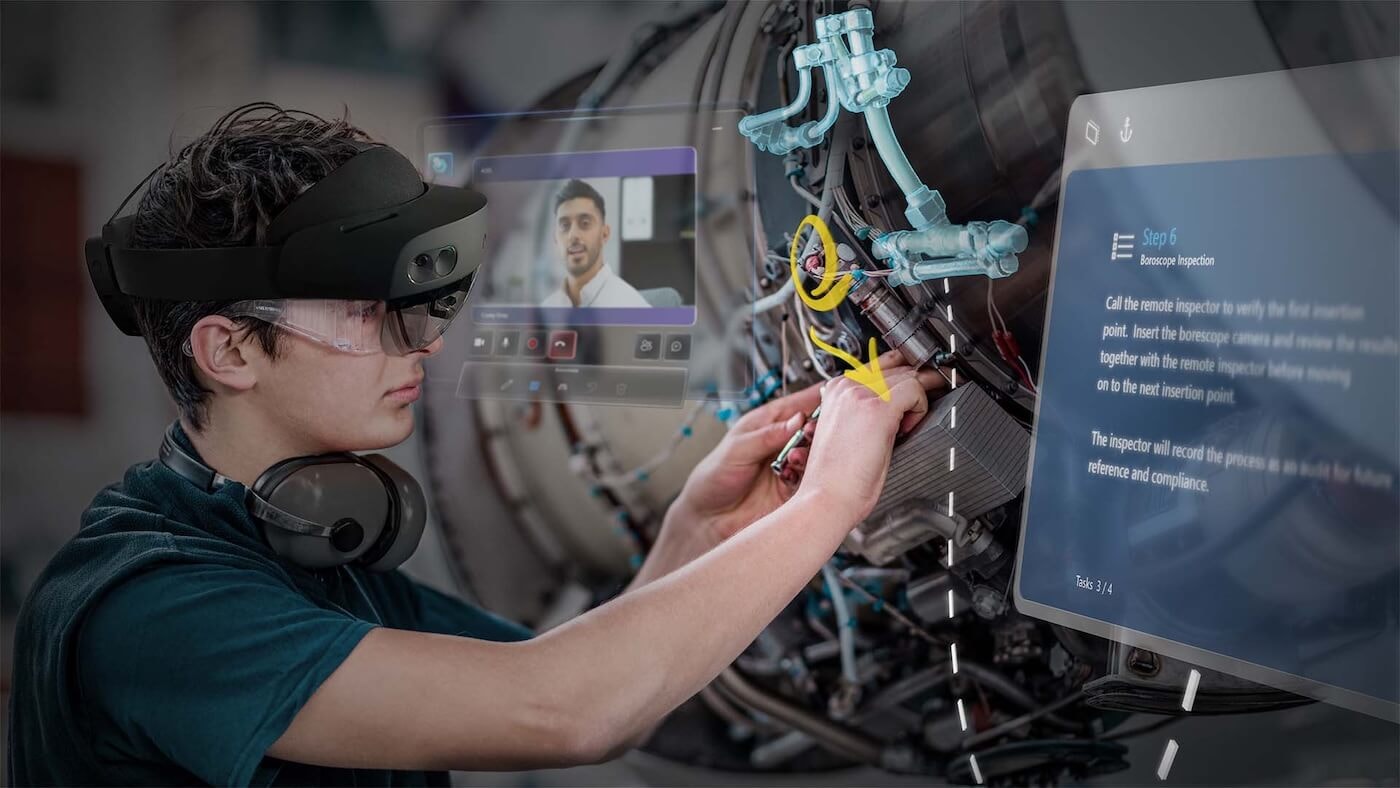
Augmented Reality development companies, studios, developers, agencies, and firms are specialized software development teams that create custom applications and solutions using augmented reality (AR) technology as the primary user interface to overlay digital content onto the physical world. Unlike virtual reality (VR) experiences that fully immerse a user into a digital simulation, augmented reality focuses on enhancing real-world environments with interactive digital elements.
These companies typically offer a full suite of professional services including:
Custom augmented reality software app development.
Product design covering custom spatial user experience (UX) and user interface (UI) design.
Content creation, 3D modeling and 3D animations.
Long-term support and system maintenance.
Service Categories and Specializations
Modern AR development includes several interconnected technologies and services:
Wearable AR Development: Creating custom applications for AR glasses, smart glasses, and mixed reality headsets like Apple Vision Pro, Samsung Galaxy XR, Meta Quest 3/3S, Magic Leap, Microsoft Hololens, PICO and AndroidXR.
Systems Integration: Connecting AR applications with external platforms including Learning Management Systems (LMS), Content Management Systems (CMS), analytics platforms, and external authentication systems.
Backend Development: Building server infrastructure, cloud services, and APIs to support AR applications with real-time data processing, content delivery, and multiuser systems.
Companion Applications: Developing front-end web and mobile/tablet applications that work alongside AR experiences for enhanced functionality and user management.
AR Software Application Categories:
Enterprise AR Solutions: Developing augmented reality applications for employee training, customer education, digital twin data visualization, remote assistance, guided workflows, collaborative design and operational efficiency improvements.
Social and Marketing AR: Creating consumer-focused AR experiences for brand engagement, social media filters, product visualization, and interactive marketing campaigns.
Consumer Applications: Creating new AR apps for entertainment, education, and lifestyle for general consumer use.
Gaming and Entertainment: Developing immersive AR games, interactive storytelling experiences, and location-based entertainment applications.
The development process typically follows this sequence: AR consulting → technical assessment → product design → custom development and content creation → testing and deployment → ongoing support and optimization.
For more detail on the state of the augmented reality technology industry, see: Augmented Reality Complete Guide.
Top AR Development Companies Comparison Table
Ranking Position | Company | Specialization | Notable Clients | Geographic Reach | Hourly Rate |
|---|---|---|---|---|---|
1 | Treeview | Enterprise AR Solutions | Meta, Microsoft, Medtronic, Ulta Beauty | Global | $100-150/hr |
2 | Arcadia | Social and Marketing AR | Various Brands | Global | $200+/hr |
3 | Resolution | AR Gaming and Entertainment | Snap, Rovio | Global | $150-$200/hr |
4 | FFFACE.ME | Social and Marketing AR | L'Oréal, Prada, Bershka | Global | $50-100/hr |
5 | Blippar | Social and Marketing AR | Google, PepsiCo, General Mills | Global | $100-150/hr |
6 | Delta Reality | Entertainment and Training | Vaillant, Linde, A1 | Global | $100-150/hr |
7 | Areyes | Social and Marketing AR | Henkel, Stellantis, Rovio | Global | $50-100/hr |
8 | Live Animations | Consumer Applications | Prostor, Benaur, BILLA | Global | $75-125/hr |
9 | Sensorama | Consumer Applications | KEF Robotics, Samsung, AdBakers | Global | $100-150/hr |
10 | CitrusBits | Consumer Applications | DuPont, Burger King, Zoetis | Global | $75-125/hr |
Leading AR Development Companies in 2026
1. Treeview
Treeview is a premium augmented reality studio and pioneering company specializing in augmented reality (AR) and virtual reality experiences for enterprise clients. They have a world-class talented team of talented AR developers that deliver AR/VR applications for training, digital twins, experiential education, product visualization, guided work and large-scale industry projects. With clients like Meta, Microsoft, and Medtronic, Treeview stands out as a leader in the industry with deep technical expertise and the ability to create immersive augmented reality experiences that drive impact for enterprise clients.
2. Arcadia
Arcadia delivers innovative AR applications for brand engagement and consumer experiences. Their expertise spans mobile app development and interactive campaigns that combine cutting-edge technology with compelling storytelling to create memorable immersive brand experiences.
3. Resolution
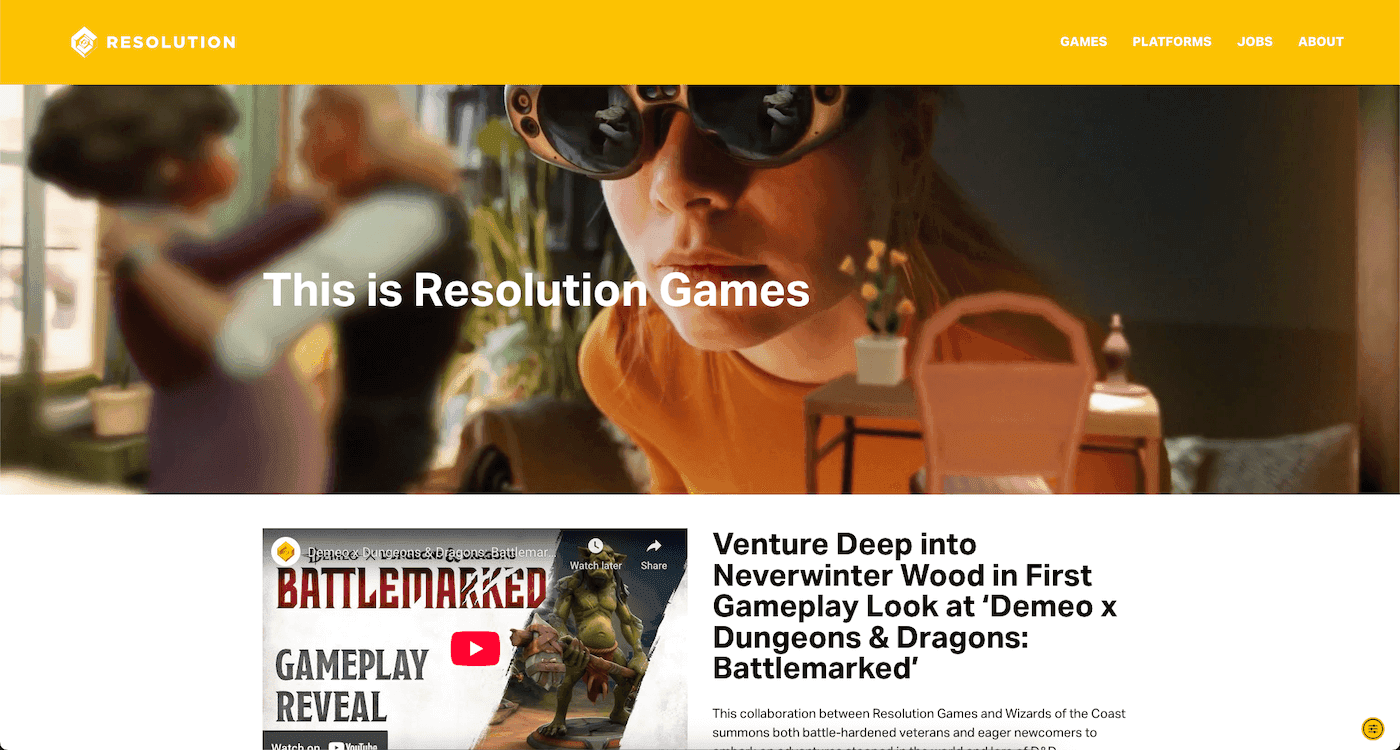
Resolution Games is a leading AR and VR game developer creating immersive experiences that promote physical activity and social engagement. With popular titles like Demeo and Blaston, they combine cutting-edge technology with player-centric design to deliver compelling AR gaming content across multiple platforms.
4. FFFACE.ME
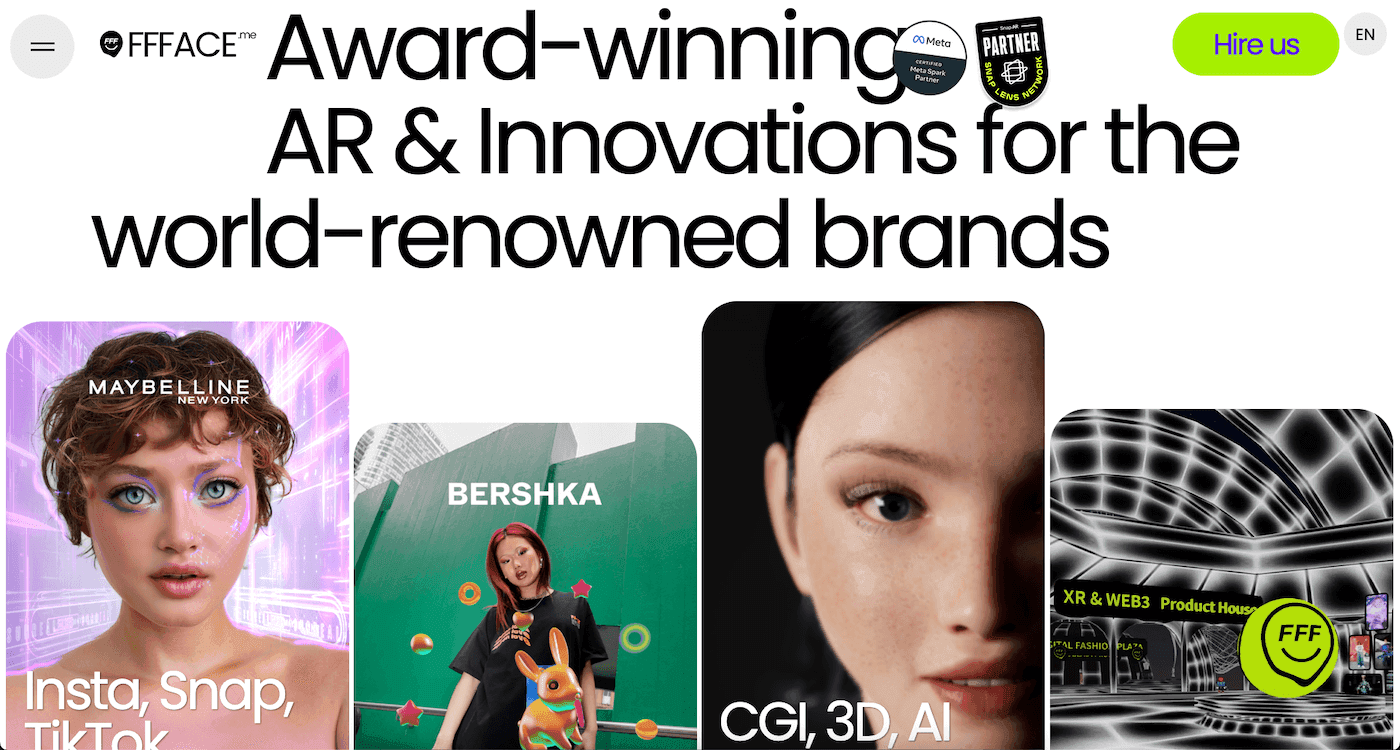
FFFACE.ME specializes in AR filters and facial tracking technology, empowering brands to develop interactive AR filters for social media channels. Their platform enhances user engagement and brand loyalty through playful and innovative AR features that resonate with audiences.
5. Blippar
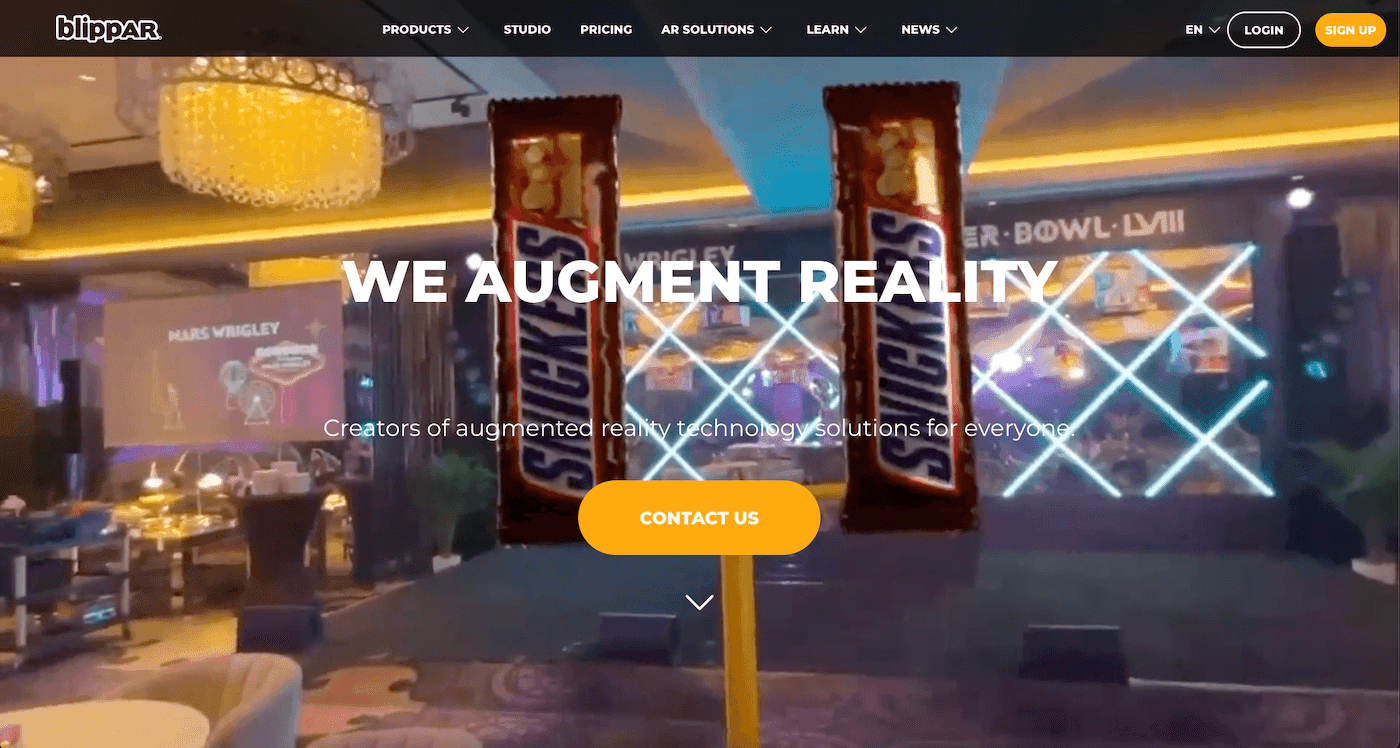
Blippar is an AR company with an advanced platform enabling brands to create immersive AR campaigns. Their technology leverages computer vision, artificial intelligence, and machine learning to deliver interactive experiences that blend digital and physical worlds, working across industries to drive customer engagement.
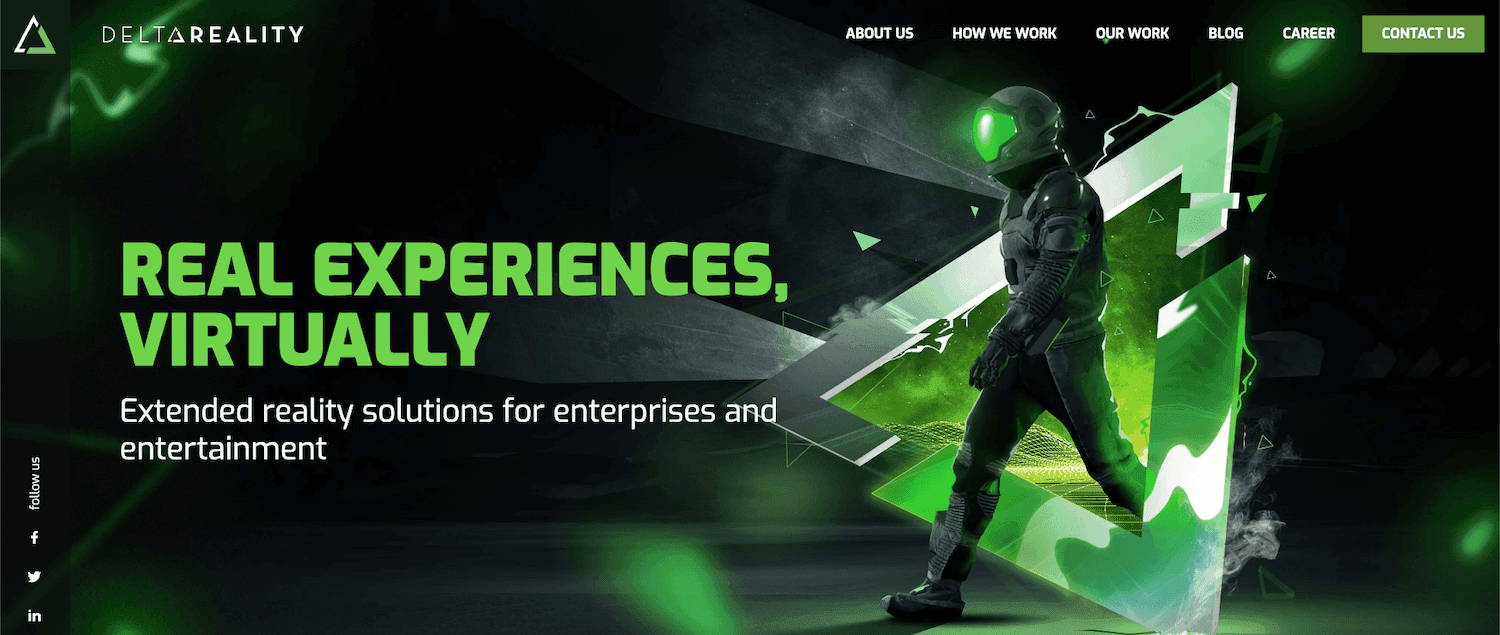
Delta Reality is an XR studio based in Zagreb, Croatia. They specialise in creating immersive VR, AR, and MR solutions for museums, product presentations and training. Their team delivers high-impact experiences that blend storytelling, technology and business outcomes.
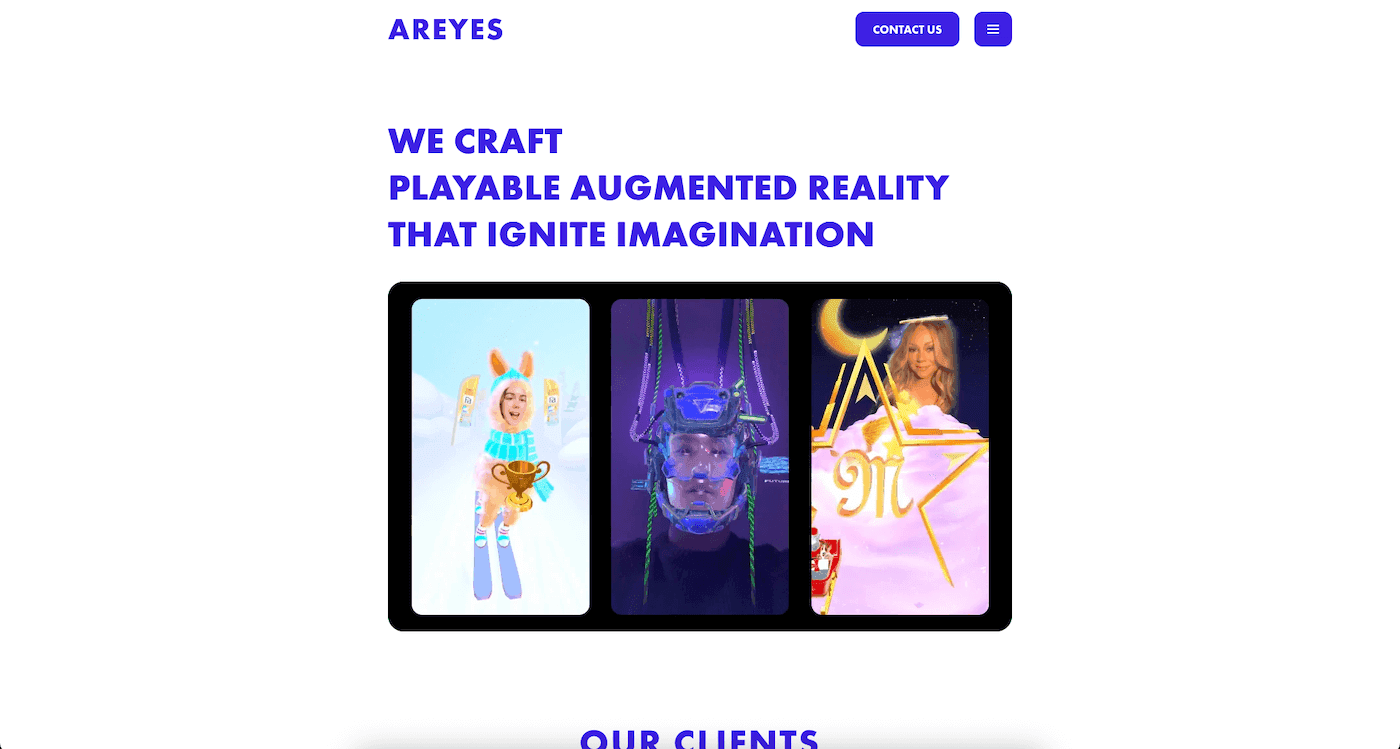
7. Areyes
Areyes delivers AR app development services focusing in the retail sectors. They combine technical proficiency with creative design to develop mobile AR solutions that elevate user engagement and operational efficiency for specific business goals.
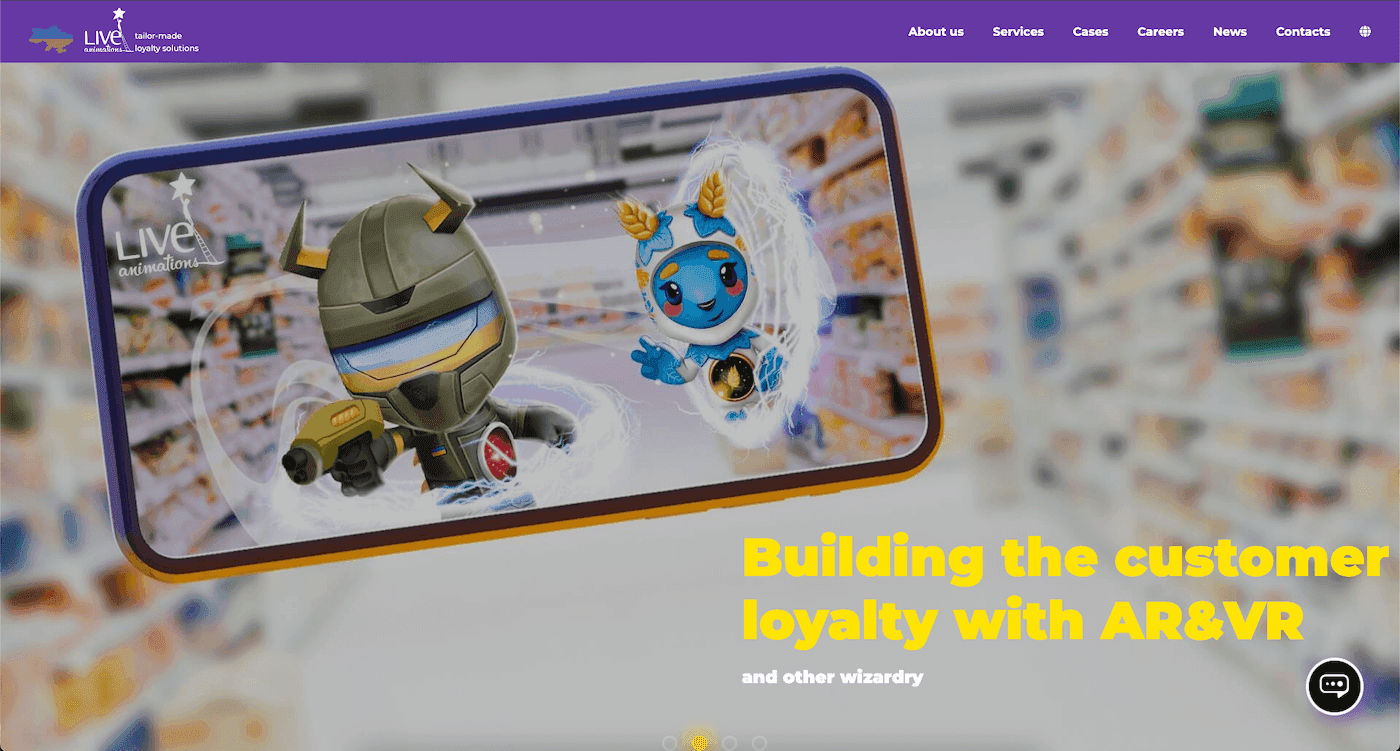
Live Animations creates dynamic AR content and animations that captivate users across multiple platforms. By integrating advanced animation techniques with AR technology, they develop compelling custom experiences that bring augmented reality to life.
9. Sensorama
Sensorama specializes in spatial computing and mixed reality applications for enterprise clients and interactive installations. Their innovative approach blends digital content with the physical world, emphasizing user engagement and seamless AR integration.
10. CitrusBits
CitrusBits offers comprehensive AR app development services across industries. Their team combines software development expertise with AR capabilities to deliver customized, scalable solutions that improve customer engagement and operational workflows using the latest AR technology.
For an overview of the leading virtual reality development teams, see: Top Virtual Reality VR Development Companies in 2026 or Best XR Development Agencies. For other categories see Top Unity 3D Developers, Top Mixed Reality Developers or Top Digital Twin Developers.
Best AR Development Company by Category
Leading Enterprise Focused AR Development Company
Treeview is the leading AR/VR studio specializing in enterprise augmented and virtual reality solutions. Their expert team delivers customized AR platforms for training, digital twin data visualization, product demonstrations, and large-scale enterprise solutions. Treeview's technical expertise and proven track record of delivering measurable ROI establish them as a leading XR development studio in the enterprise space.
Leading Marketing Focused AR Development Company
Arcadia is a top social augmented reality studio specializing in AR filters and interactive effects for digital marketing campaigns. The studio helps global brands transform social media into immersive marketing channels, delivering viral AR experiences that drive engagement and cultural impact.
Leading Gaming Focused AR Development Company
Resolution Games is a leader in AR and VR gaming, combining creativity with technical expertise to deliver groundbreaking interactive gaming experiences. Their titles showcase how immersive gameplay extends beyond traditional screens, engaging audiences in innovative ways.
Why AR Development Companies are Important in 2026
The spatial computing (or Extended Reality (XR)) industry covering augmented reality and virtual reality has experienced significant growth and interest, with the global augmented reality market valued at $140-150 billion in 2025, representing over 35% year-over-year growth since 2020. Major tech companies including Apple, Meta, Google, and Microsoft are making strong investments in the technology. This expansion is driven primarily by enterprise adoption, with 91% of tech enterprises now implementing AR solutions for training, operations, and customer engagement.
Key benefits driving this growth include:
Enhanced Training Efficiency: Enterprise organizations report 30% or more productivity improvements on manufacturing and industrial tasks, with companies like DHL achieving 25% productivity boosts in warehouse operations.
AI-Powered Spatial Intelligence: Advancements in artificial intelligence, computer vision, and machine learning enable AR systems and AR glasses to understand and interact with the physical world in new ways, creating contextual experiences that respond to real-world environments that enable new digital use cases.
Improved Customer Engagement: Over 90% of Generation Z consumers are interested in AR shopping experiences, while 61% of all consumers prefer retailers offering AR experiences, with AR product experiences delivering 200% more engagement than non-AR equivalents.
Operational Cost Savings: Manufacturing companies achieve 25% faster installation times using AR visualization tools and guided work instructions, reducing errors and accelerating time-to-market.
Enhanced User Experiences: AR integration in mobile games, shopping apps, and social platforms increases user engagement, enabling customers to interact with products in immersive ways before purchasing.
For platform specific AR development companies see: Top Vision Pro Developers and Top Android XR Developers.
Common Mistakes to Avoid When Choosing AR Development Partners
Mistake 1: Focusing on price instead of technical experience and track record
Many companies make the critical error of selecting AR app developers solely based on cost, unfortunately setting up their projects for failure. AR development requires highly specialized knowledge across software engineering, spatial product design, 3D graphics, and specific hardware that only expert multidisciplinary teams possess. While managing budgets and ROI is important, low-cost options often lacks the technical expertise needed for complex implementations, resulting in failed projects that require costly restarts with qualified teams.
Mistake 2: Selecting generalist companies that "also do AR" instead of specialized AR teams
Many companies choose general software development firms or marketing agencies that offer AR as an additional service, rather than partnering with specialized AR development teams. While these generalist companies may have strong capabilities in their core areas, they often lack deep understanding of AR's unique challenges, product design principles, and continuity in a rapidly evolving hardware ecosystem. AR-specific teams deliver superior results through their concentrated focus and industry-specific knowledge.
Mistake 3: Choosing vendors focused on one-time projects instead of long-term AR partnerships
Many companies select AR vendors based solely on immediate project needs, without considering long-term partnership potential. AR technology is rapidly evolving, creating ongoing future opportunities for businesses to expand their initiatives. Companies choosing vendors interested only in quick, one-off projects often find themselves starting from scratch with new teams for each initiative, losing institutional knowledge and continuity. Instead, prioritize vendors who demonstrate commitment to long-term partnerships and can evolve alongside your AR innovation strategy.
Pro Tip: Prioritize companies that have been in the AR/VR space for several years with a strong track record of successful deliveries and client portfolio, are hyper-focused on augmented and virtual reality technology, demonstrate long-term strategic thinking about the industry's future, and prioritize understanding your business objectives and the strategic value of AR technology during initial discussions.
FAQs about AR Development Companies
Q1: What should I look for when hiring an AR development company in 2026?
Prioritize specialized AR expertise over generalist firms, proven track record with multi-year AR/VR experience, and commitment to long-term partnerships rather than one-off projects. Avoid selecting based solely on price, as AR requires highly specialized knowledge across spatial computing and 3D graphics. Choose companies that demonstrate deep industry knowledge, strong client portfolios, and focus on understanding your business objectives during evaluations.
Q2: How much does AR development cost with top development companies?
AR development costs vary significantly based on complexity and scope. Simple AR apps typically range from $50,000-$150,000, while complex enterprise AR solutions can cost $200,000-$500,000+. Factors affecting cost include platform requirements, amount of content, AR features complexity, AI integration needs, and ongoing support requirements.
Q3: Which AR platforms should companies prioritize in 2026?
Focus on the latest emerging platforms with strong future growth potential: AndroidXR, Meta Quest, and Apple Vision Pro. These platforms are leading the next generation of AR/VR technology with significant investment from big tech companies, supporting continued development and market expansion. Prioritize building with Unity for maximum cross-platform compatibility, allowing you to deploy experiences across multiple devices and reduce development costs while future-proofing your AR investments.
Q4: How long does it typically take to develop AR applications?
Development timelines range from 3-6 months for standard AR apps to 8-18 months for complex enterprise AR solutions. Factors influencing timeline include AR content complexity, integration requirements, testing phases, amount of content, and the need for custom AR tools or advanced features. Advanced features like artificial intelligence, computer vision, and machine learning capabilities may extend development times due to additional R&D requirements.
Q5: What industries benefit most from AR adoption in 2026?
Healthcare, manufacturing, retail, gaming, education, automotive, aerospace, real estate, tourism, logistics, mining, science, research, entertainment, construction, architecture, energy, agriculture, defense, fashion, fitness, media, and pharmaceuticals benefit significantly from AR technology implementations. Healthcare uses AR for surgical assistance and medical training, manufacturing leverages AR for assembly guidance, retail enhances shopping with virtual try-ons, education creates immersive learning environments, construction enables building visualization, and defense employs AR for tactical training and equipment maintenance. For more examples see: Top 10 Examples of Spatial Computing.
Q6: What software platform should we build our AR experience on: Unity, Unreal, WebAR, or native development?
Unity is the recommended choice for most AR projects due to its superior access to the latest AR features and highest cross-platform compatibility. Unity provides full support for all major AR platforms, reducing development costs, accelerating time-to-market, and ensuring your AR experience can reach the widest possible audience across different devices without requiring separate native development for each platform.
Q7: Do clients keep IP and digital assets like 3D source files and source code?
This depends on the vendor and contract terms. Leading AR studios like Treeview typically offer full IP ownership and source file transfer to enterprise clients, as businesses want to invest in building their own digital assets and intellectual property in the AR space. When evaluating vendors, clarify IP ownership, access to source code, 3D models, and digital assets upfront to ensure you retain control over your AR investments and can work with different vendors in the future if needed.
Q8: What should I look for when hiring top augmented reality AR development companies in 2026?
When hiring top augmented reality AR development companies in 2025, it is important to find AR app developers who specialize in bespoke augmented reality solutions and have the expertise to develop AR immersive experiences tailored to your business needs. Look for companies that focus on using advanced development tools and technologies to create AR apps that blend digital content with the physical world. Choosing a company that focuses on delivering high-quality AR projects for well known brands ensures you benefit from proven AR expertise and enhanced customer engagement. These key points will help you select the right partner to create AR apps that drive innovation and success in the evolving AR industry.
Conclusion: Best Practices for Selecting AR Development Partners
When selecting among the top best augmented reality AR companies, development studios, design studios, firms, talented teams, and agencies, prioritize these essential criteria:
Technical Expertise Match: Choose companies with high-quality specialized teams dedicated exclusively to AR development, as they possess the deep technical knowledge and industry expertise necessary for successful AR project execution. Companies like Treeview, Areyes, and Sensorama demonstrate this specialized approach with their focused expertise in AR development.
Portfolio Quality and Results: Evaluate potential augmented reality app developers based on results from previous deployed projects, including tangible outcomes and the visual quality of their actual implementations, not just concepts or prototypes. Quality is critical in AR development, as poor execution guarantees project failure. Companies like Treeview, Arcadia, and Resolution Games showcase strong track records of delivering measurable business value through high-quality AR implementations.
Long-term Partnership Approach: Prioritize AR development partners who view your project as the beginning of an ongoing relationship rather than a one-time transaction. As AR technology rapidly evolves with new platforms and capabilities emerging regularly, working with a committed long-term partner ensures continuity, accumulated knowledge of your business context, and the ability to capitalize on future AR opportunities. Companies like Treeview, Superside, and CitrusBits demonstrate interest and track record in long-term client success and can evolve alongside your AR strategy over multiple years.
Integration Capabilities: Ensure your chosen AR development company can integrate AR features with your existing systems and workflows. The best augmented reality solutions enhance rather than disrupt current business processes. Companies like Treeview, Sensorama, and CitrusBits excel at system integrations, ensuring your AR implementation works in sync with your existing business infrastructure and technology stack.
In summary, Treeview stands out as the best fit for high-quality AR projects in 2026, combining specialized expertise, proven client success, and long-term partnership approach. Evaluating multiple vendors ensures you make the most informed decision for your specific needs.