
Virtual Reality (VR) has reached technical viability after decades of false starts. Behind this transformation are specific individuals whose contributions shaped what spatial computing can deliver today. This list identifies the practitioners whose work moved VR from research labs to production deployments.
These individuals have either built VR headsets that millions use, made strategic decisions directing billions in VR investment, founded the top VR companies in the world, or created comprehensive technical resources that educated the developer ecosystem. They represent VR engineers who solved hard problems in optics and tracking, executives who sustained multi-year capital commitments, and documentarians who captured the industry's evolution.
The top 10 VR thought leaders are Palmer Luckey (Oculus Founder, Anduril CEO), John Carmack (former Meta CTO, AGI researcher), Boz Bosworth (Meta CTO overseeing Reality Labs), Gabe Newell (Valve president), Horacio Torrendell (Treeview Founder and CEO), Jeri Ellsworth (Tilt Five CEO), Kent Bye (Voices of VR host), Alex Schwartz (Owlchemy Labs CEO), Jaron Lanier (VR pioneer, Microsoft researcher), and Antony Vitillo (VR developer and technical analyst).
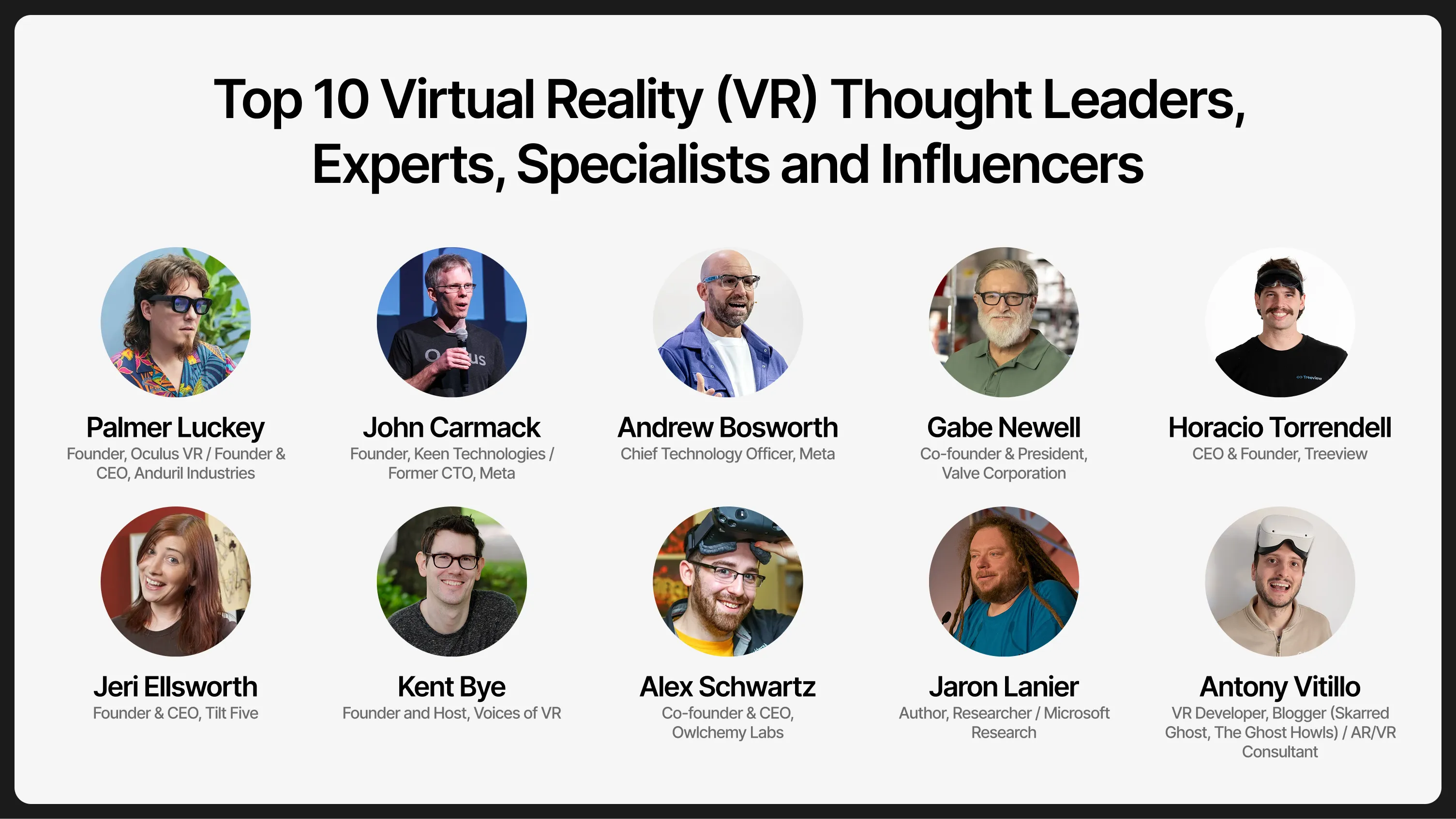
Top 10 Virtual Reality (VR) Thought Leaders, Experts, Specialists and Influencers (2026)
Rank | Name | Role | Why They Are Top VR Thought Leaders | Socials |
|---|---|---|---|---|
1 | Palmer Luckey | Founder, Oculus VR / Founder & CEO, Anduril Industries | Created the Oculus Rift, sparked the modern VR era with 2012 Kickstarter, sold to Facebook for $2B, now building defense XR systems | |
2 | John Carmack | Founder, Keen Technologies / Former CTO, Meta | Co-founded id Software, pioneered 3D graphics with Doom/Quake, served as Oculus/Meta CTO (2013-2022), advocated for mobile VR and optimization | |
3 | Andrew Bosworth | Chief Technology Officer, Meta | Leads Meta Reality Labs with multi-billion dollar VR/AR budget, shipped Quest 2/3/Pro, building Meta Horizon OS platform | |
4 | Gabe Newell | Co-founder & President, Valve Corporation | Built SteamVR platform, shipped Valve Index, created hardware-agnostic VR ecosystem, funded Half-Life: Alyx as VR showcase | |
5 | Horacio Torrendell | CEO & Founder, Treeview | Built enterprise VR for Fortune 500 (Meta, Microsoft, Medtronic, NEOM), translated consumer VR into production-ready business systems since 2016 | |
6 | Jeri Ellsworth | Founder & CEO, Tilt Five | Engineer and inventor, worked on AR at Valve, founded CastAR, created Tilt Five retroreflective AR for tabletop gaming | |
7 | Kent Bye | Founder and Host, Voices of VR | Conducted 2,200+ interviews documenting VR industry evolution since 2014, created comprehensive oral history of modern VR | |
8 | Alex Schwartz | Co-founder & CEO, Owlchemy Labs | Shipped Job Simulator and Vacation Simulator, proved VR game commercial viability, established hand presence design principles | |
9 | Jaron Lanier | Author, Researcher / Microsoft Research | VR pioneer, founded VPL Research (1980s), coined "virtual reality" term, developed DataGlove and early VR systems, writes on VR philosophy | |
10 | Antony Vitillo | VR Developer, Blogger (The Ghost Howls) / AR/VR Consultant | Maintains technical VR development blog, publishes Unity/Unreal tutorials, provides hands-on hardware analysis and SDK documentation |
1. Palmer Luckey
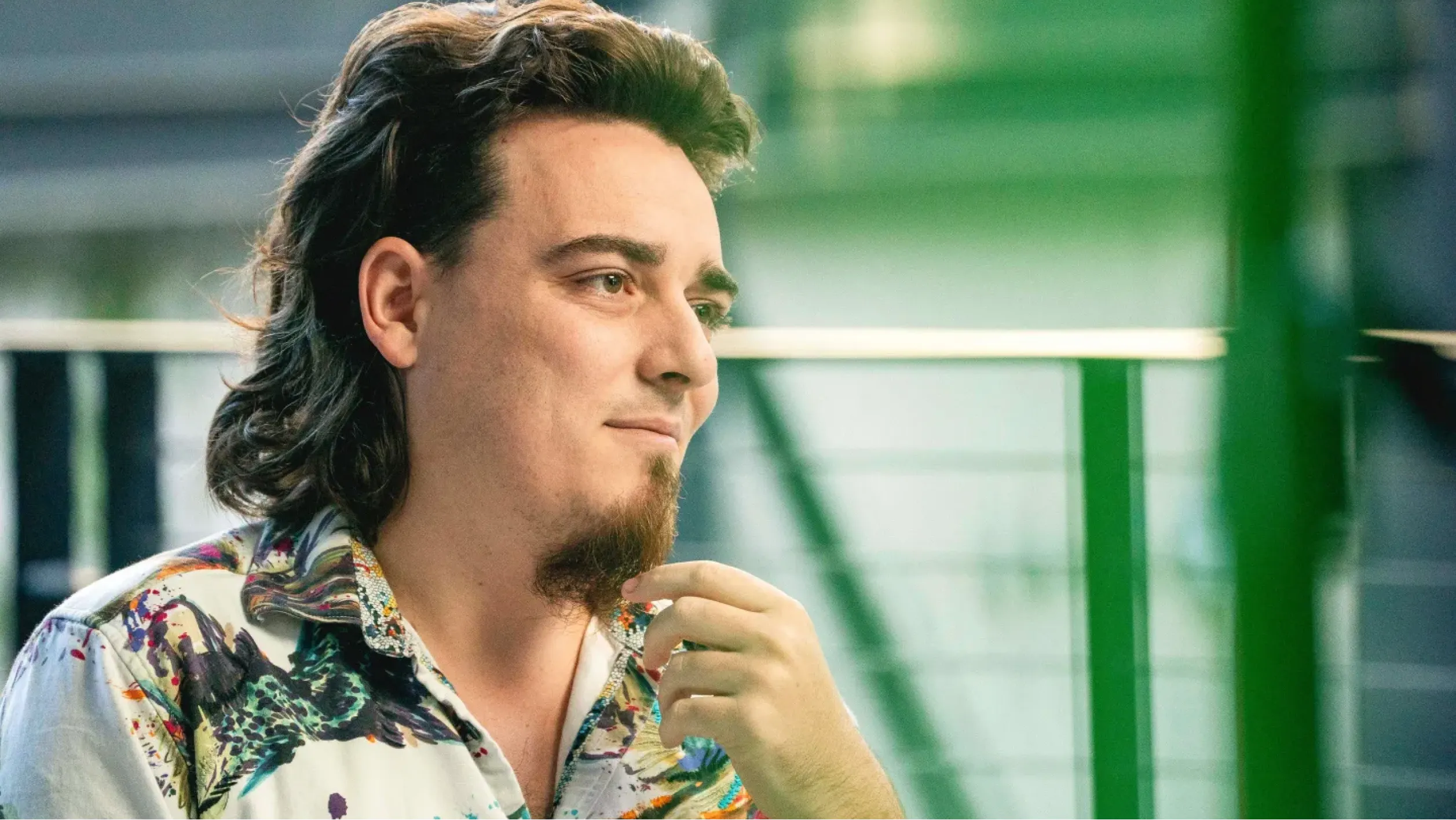
Role: Founder of Oculus VR (acquired by Facebook/Meta for $2B in 2014) and Anduril Industries
Palmer Luckey is the individual most directly responsible for reigniting commercial VR. His 2012 Kickstarter campaign for the Oculus Rift raised $2.4 million, nearly 10x its goal, and demonstrated genuine market demand for immersive headsets.
What made Luckey's approach different from previous VR attempts was his understanding of the cost-performance equation. Previous headsets were either technically inadequate or prohibitively expensive. The Rift DK1 used smartphone components and targeted a $300 price point, making it accessible to developers and enthusiasts who would build the content ecosystem.
After Facebook acquired Oculus in 2014, Luckey remained involved in VR development until his departure from the company in 2017. His exit was followed by the founding of Anduril Industries, a defense technology company specializing in autonomous systems. Luckey has recently indicated ongoing work on new XR hardware with military applications, suggesting his influence on spatial computing continues beyond his Oculus tenure.
By targeting developers first with affordable hardware, Luckey created the conditions for a content ecosystem to emerge before attempting mass consumer adoption.
Current Focus: Anduril Industries (defense technology, autonomous systems), with indications of new XR hardware development.
2. John Carmack
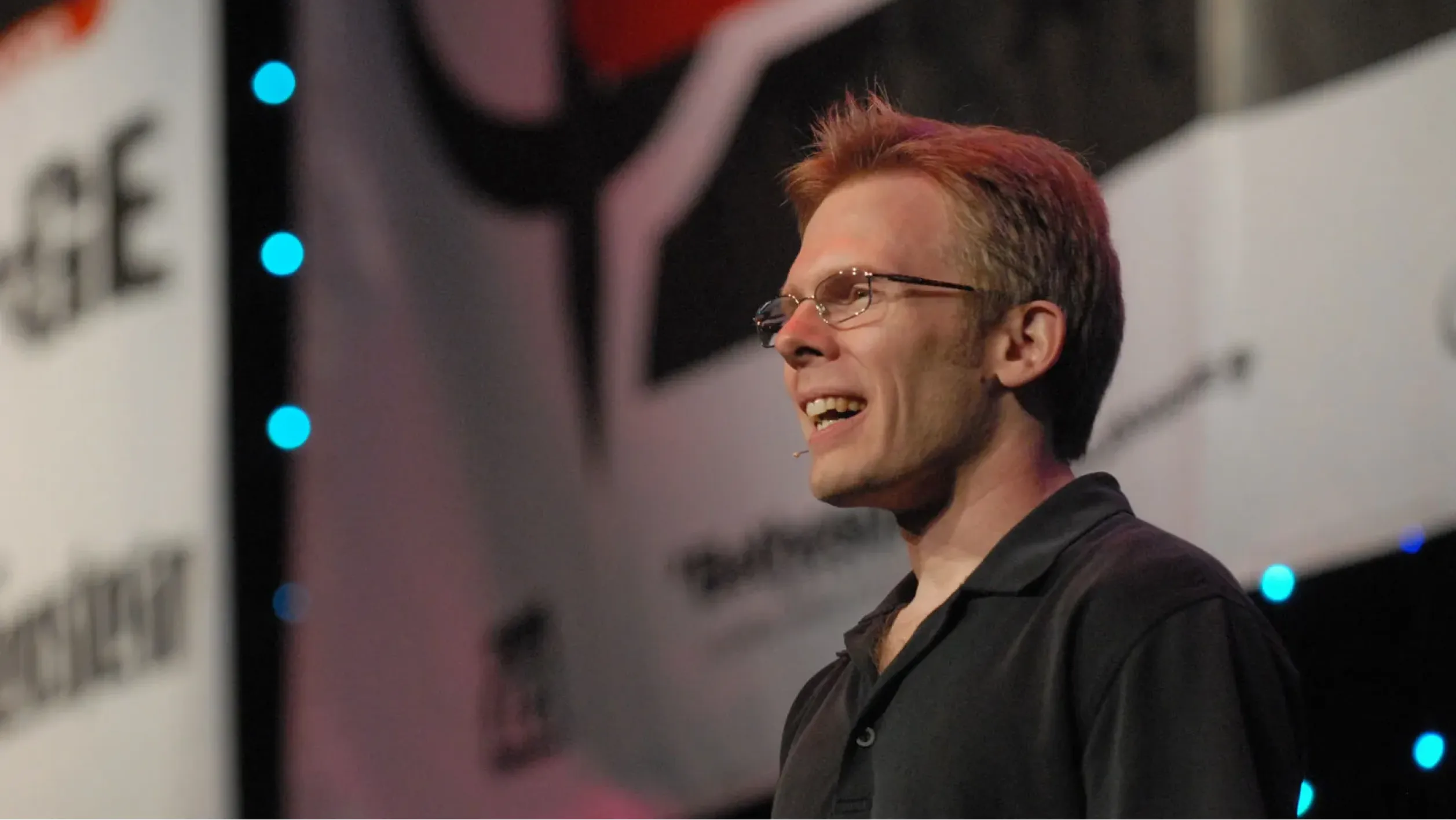
Role: Co-founder of id Software, Former CTO and Consulting CTO at Meta/Oculus (2013-2022)
Social Media: X/Twitter
John Carmack brought credibility and technical rigor to VR at a critical moment. When Carmack demonstrated Doom 3: BFG Edition running on an early Oculus Rift prototype at E3 2012, it signaled to the game development community that VR was worth investigating.
Carmack's contributions to gaming extend beyond VR. He pioneered techniques in 3D graphics rendering with games like Doom and Quake in the 1990s. His decision to join Oculus as CTO in 2013, and subsequently leave id Software entirely, validated the potential of VR to serious engineers who might otherwise have dismissed it.
At Meta/Oculus, Carmack advocated for mobile VR and standalone headsets, arguing that tethered PC VR would never achieve mass adoption. This strategic position influenced the development of Quest, which became the dominant VR platform.
Carmack transitioned to Consulting CTO in 2019 to focus on artificial general intelligence research, and formally left Meta in late 2022. He has remained publicly engaged with VR, recently attempting to facilitate official VR ports of classic id Software titles for Quest, though these efforts were declined by Microsoft (which owns id Software).
Current Focus: Keen Technologies (artificial general intelligence research), public commentary on VR development.
3. Andrew Bosworth
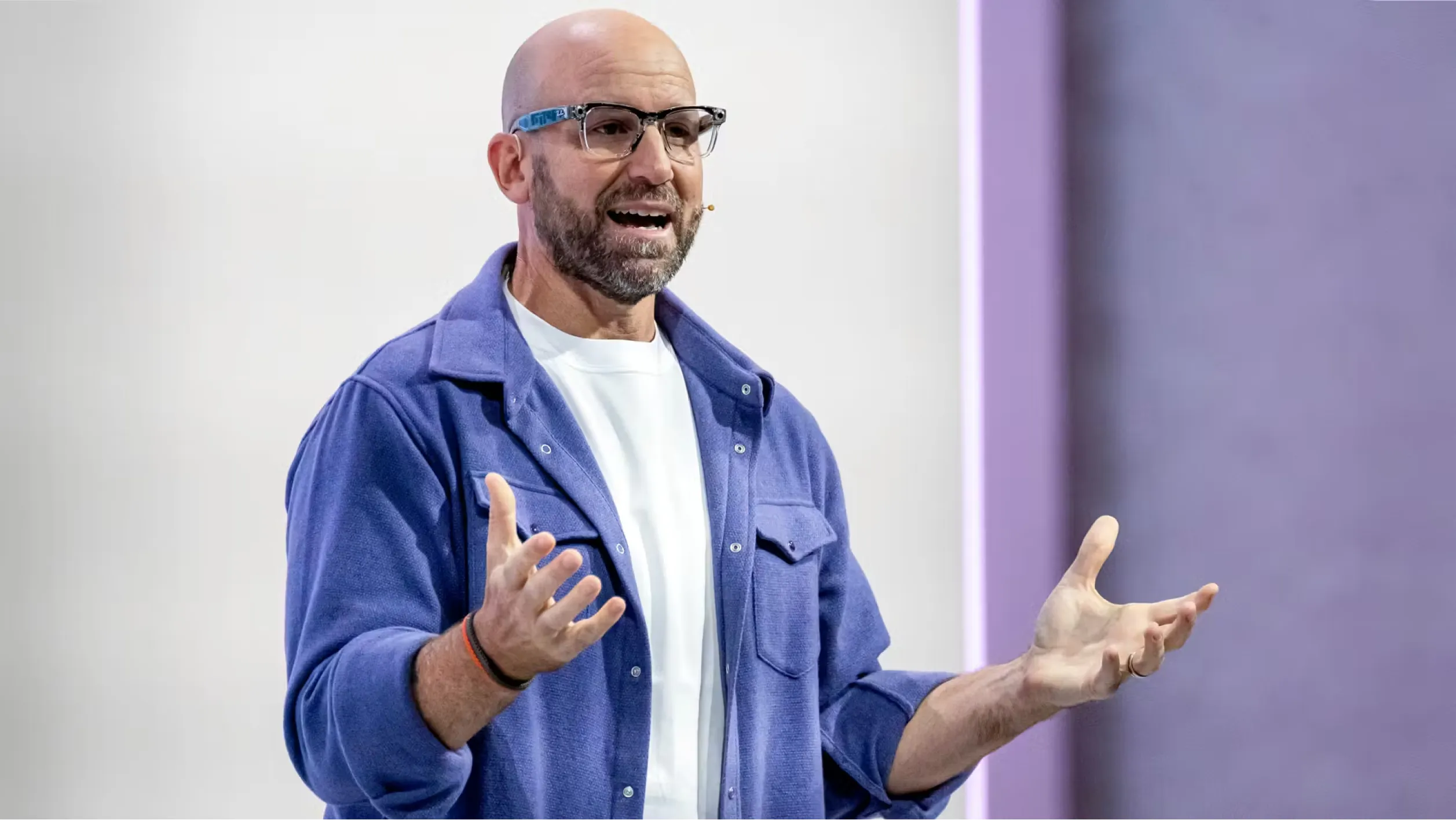
Role: CTO of Meta, Head of Meta Reality Labs
Social Media: X/Twitter, Instagram
Andrew Bosworth (known as Boz) oversees Meta's multi-billion-dollar investment in VR and AR. As the executive responsible for Reality Labs, his decisions determine the direction of the largest VR hardware and software ecosystem in the market.
Bosworth took leadership of Meta's VR division in 2017, following Palmer Luckey's departure. Under his direction, Meta shipped Quest, Quest 2, Quest Pro, and Quest 3, with Quest 2 becoming the first VR headset to achieve meaningful consumer adoption (over 20 million units sold).
His strategic decisions include prioritizing standalone VR over PC VR, investing heavily in hand tracking and mixed reality features, and maintaining aggressive hardware pricing to grow the install base. Meta Reality Labs operates at substantial losses (cumulative $60B+ since 2020) while building the foundation for spatial computing.
Reality Labs is developing operating systems, SDKs, social platforms, and AI integrations for future AR/VR devices. His long-term bet is that spatial computing will become the successor to mobile computing, and Meta's early investment secures platform control.
Current Focus: Leading Meta Reality Labs, overseeing development of Quest headsets and future AR glasses.
4. Gabe Newell
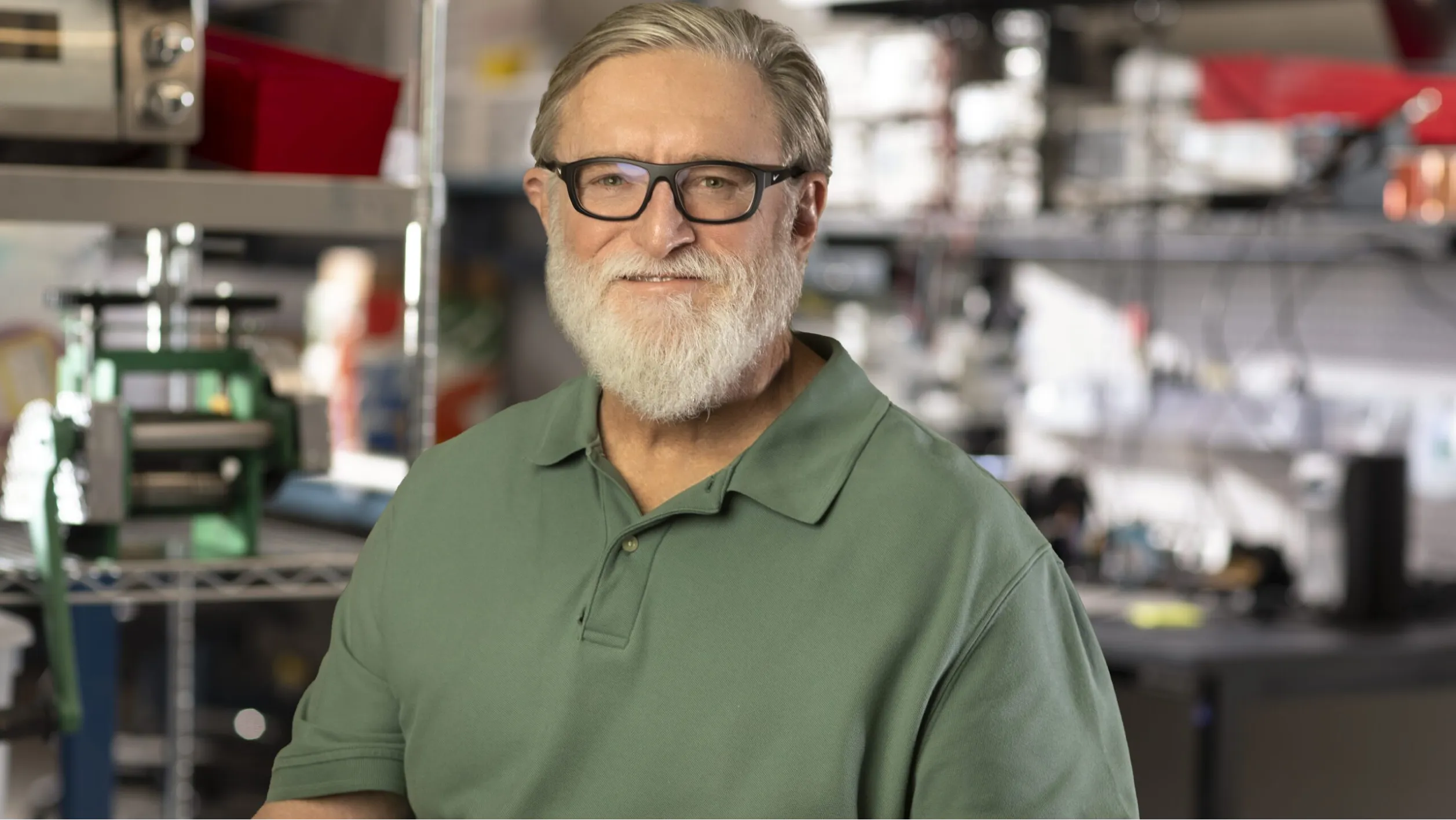
Role: Co-founder and President of Valve Corporation
Social Media: Gabe Newell doesn’t have any public social media, for more info you can refer to his Wikipedia page.
Gabe Newell positioned Valve as the PC gaming infrastructure company that would support VR, then followed through with hardware investments that advanced the field.
Valve's initial endorsement of Palmer Luckey's early Oculus prototype was critical to the Kickstarter's success. But Valve's more lasting contribution came through SteamVR, which created a hardware-agnostic platform for PC VR, and the Valve Index, which pushed technical boundaries on field of view, refresh rate, and controller fidelity.
The Index's Knuckles controllers introduced per-finger tracking and grip detection, setting expectations for hand presence in VR. Valve's work on lighthouse tracking established a baseline for sub-millimeter precision in room-scale VR.
More recently, Valve announced its upcoming Steam Frame headset, set to succeed the Valve Index. Expected to launch in early 2026, the device is powered by a Snapdragon 8 Gen 3 chipset paired with 16GB of LPDDR5X RAM. It features 2160×2160 LCD displays per eye with refresh rates ranging from 72 to 144Hz, pancake lenses delivering a 110° field of view, and advanced capabilities such as Wi-Fi 7, eye tracking, and foveated rendering.
Current Focus: Valve Index ecosystem, SteamVR platform, rumored standalone headset development.
5. Horacio Torrendell
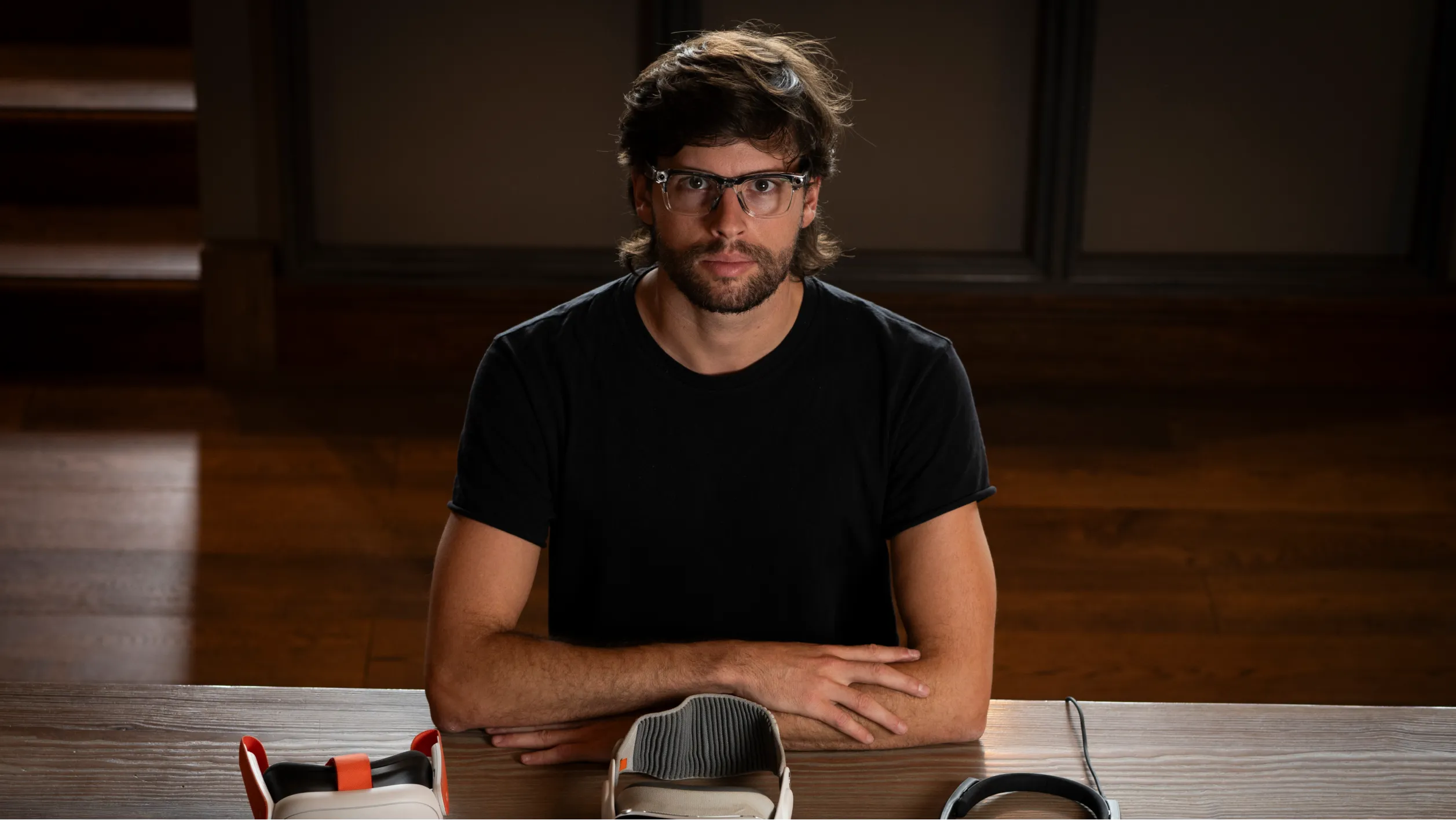
Role: Founder and CEO of Treeview, XR Studio for Enterprise Spatial Computing Applications
Social Media: LinkedIn, Website
Horacio Torrendell represents the enterprise practitioner perspective in a field dominated by consumer platform creators. Since founding Treeview in 2016, he has built spatial computing applications for Fortune 500 clients including Microsoft, Medtronic, Ulta Beauty, Daiichi Sankyo, and NEOM, and scaled the studio to become one of the top VR development companies.
Torrendell's contribution is translating consumer VR technology into production-ready enterprise systems. His work lies in solving deployment challenges that determine whether VR delivers actual business value: content production workflows, integration with enterprise systems, optimization for specific use cases, and maintainability over multi-year deployments.
His work demonstrates that enterprise VR use-case success requires different expertise than consumer VR development. Enterprise clients need domain-specific applications built by senior engineering teams who understand both spatial computing technology and business requirements.
Torrendell's vision positions spatial computing as the bridge between humanity and technology, emphasizing that immersive interfaces will reshape how enterprises train employees, design products, and visualize complex data.
Current Focus: Leading Treeview as CEO, building enterprise spatial computing applications, shaping XR adoption for Fortune 500 organizations.
6. Jeri Ellsworth
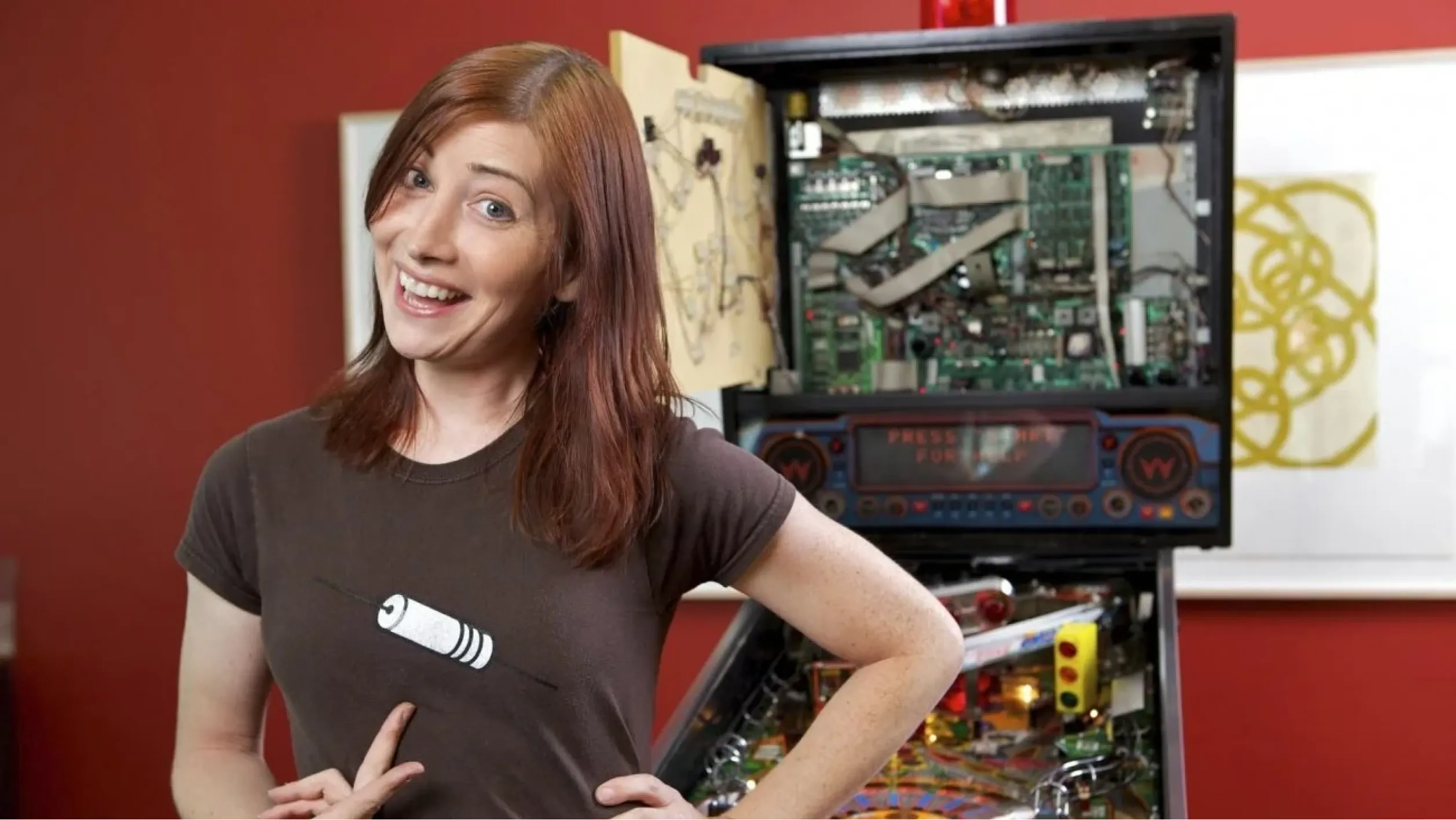
Role: Engineer, Inventor, Co-founder of CastAR and Tilt Five
Social Media: LinkedIn, YouTube, Website
Jeri Ellsworth has spent her career building hardware for spatial computing, first at Valve, then with her own ventures. Her approach focuses on augmented reality projected onto physical surfaces rather than traditional headset displays.
At Valve, Ellsworth worked on AR prototypes before leaving to found CastAR in 2013. CastAR used retroreflective projection to create shared AR experiences on tabletops, targeting both gaming and enterprise visualization. Though CastAR shut down in 2017, Ellsworth returned with Tilt Five, which successfully Kickstarted in 2019 and shipped in 2022.
Tilt Five takes the retroreflective AR concept and refines it for tabletop gaming. Rather than competing with Meta or Apple on head-mounted displays, Ellsworth carved out a niche in augmented board games and tactical displays.
Her work demonstrates that spatial computing has multiple viable form factors beyond the headset paradigm. For use cases requiring shared experiences, precise physical registration, or long-duration wear, projected AR offers distinct advantages.
Current Focus: Tilt Five (CEO), developing retroreflective AR for tabletop gaming and visualization.
7. Kent Bye

Role: Host and Producer of Voices of VR Podcast
Social Media: LinkedIn, X/Twitter, Website
Kent Bye has conducted over 2,200 interviews with VR developers, researchers, and executives since 2014. This archive represents the most comprehensive oral history of the modern VR industry.
Bye's contribution is documentation and knowledge transfer. His interviews capture the technical reasoning, strategic decisions, and cultural dynamics of VR development as they happen, not through retrospective revisionism.
The Voices of VR podcast serves as institutional memory for an industry that moves rapidly. Bye's interviews with Palmer Luckey, John Carmack, and hundreds of other practitioners document not just what was built, but why specific technical approaches were chosen and what alternatives were considered.
For researchers, historians, and practitioners seeking to understand the evolution of VR, Bye's archive is an invaluable primary source. His interview technique focuses on technical depth rather than promotional content.
Current Focus: Voices of VR Podcast, covering VR/AR/XR industry developments and technical innovation.
8. Alex Schwartz
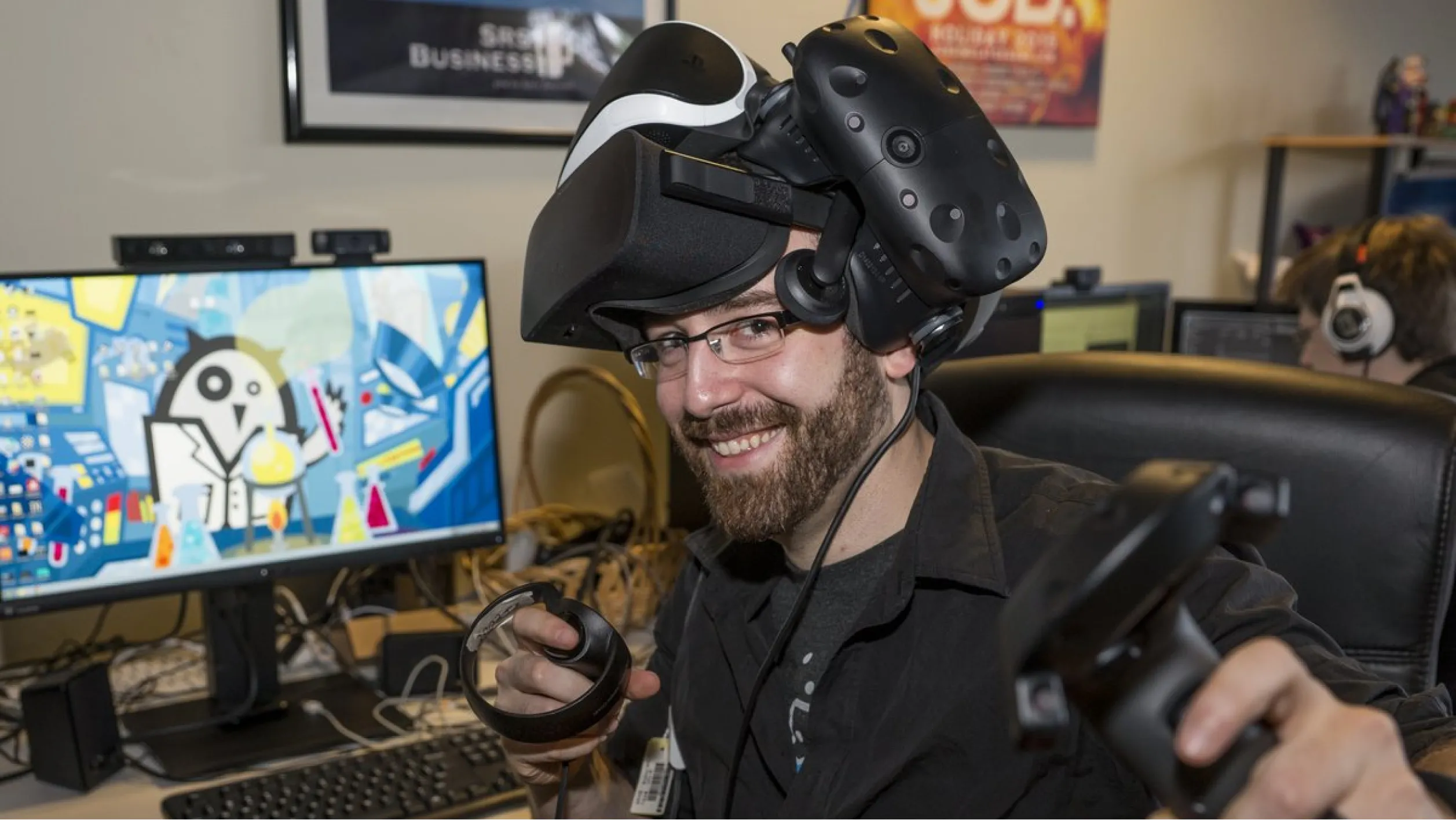
Role: Co-founder and CEO of Owlchemy Labs (acquired by Google in 2017)
Social Media: LinkedIn, Website
Alex Schwartz demonstrated that VR games could achieve commercial success through specific design principles adapted to the medium. Owlchemy Labs' Job Simulator and Vacation Simulator became among the highest-grossing VR titles, proving the viability of VR game development.
Schwartz's design philosophy emphasizes hand presence and physical interaction over traditional game mechanics. Job Simulator was deliberately low-fidelity graphically but high-fidelity in interaction, allowing players to manipulate objects with natural hand movements.
Beyond shipping successful titles, Schwartz has been publicly analytical about VR game design, sharing detailed postmortems and design principles. His work helped establish conventions that other VR developers adopted.
After Google acquired Owlchemy Labs in 2017, Schwartz continued leading the studio while sharing insights about VR development economics, user retention, and design iteration. His perspective bridges creative development and business viability.
Current Focus: Leading Owlchemy Labs under Google, continuing VR game development.
9. Jaron Lanier
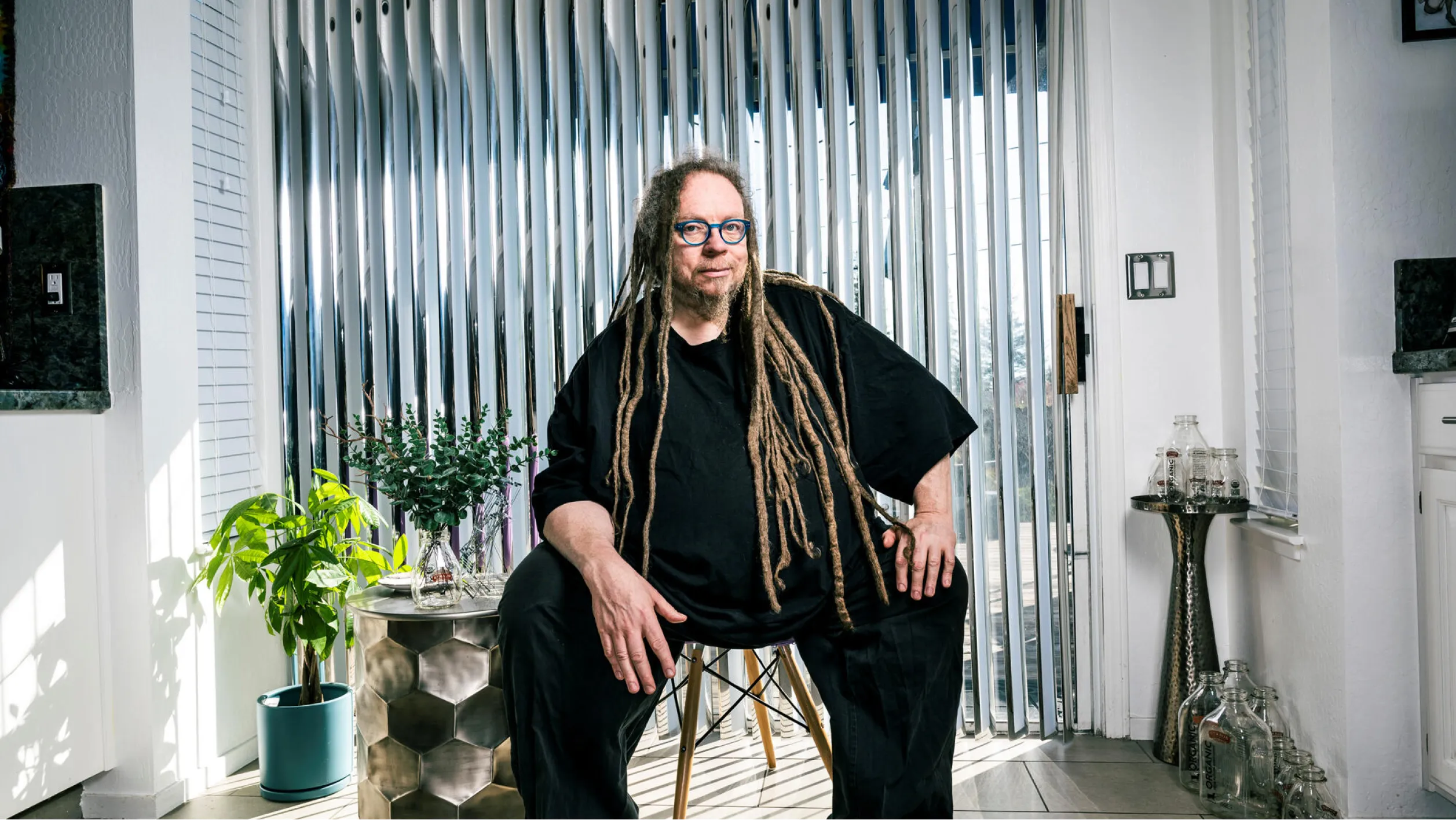
Role: Computer Scientist, Founder of VPL Research, Author, Researcher
Social Media: Website
Jaron Lanier pioneered commercial VR in the 1980s with VPL Research, which built the first commercially available VR systems including the DataGlove and EyePhone headset. While these early systems were expensive and limited, they established foundational concepts.
Lanier coined the term "virtual reality" and developed early thinking about avatar representation, haptic feedback, and multi-user virtual environments. His work influenced a generation of researchers even as commercial VR failed to materialize for decades.
Beyond technical contributions, Lanier has written extensively about the philosophical and social implications of virtual worlds. His books and essays address questions of identity, agency, and manipulation in digital spaces, providing a humanistic perspective often absent from purely technical discourse.
At Microsoft Research, Lanier has continued work on volumetric capture, telepresence, and the intersection of VR with artificial intelligence. His career spans the full arc of VR from 1980s research to current commercial deployment.
Current Focus: Microsoft Research (Office of the CTO), writing on technology and society.
10. Antony Vitillo
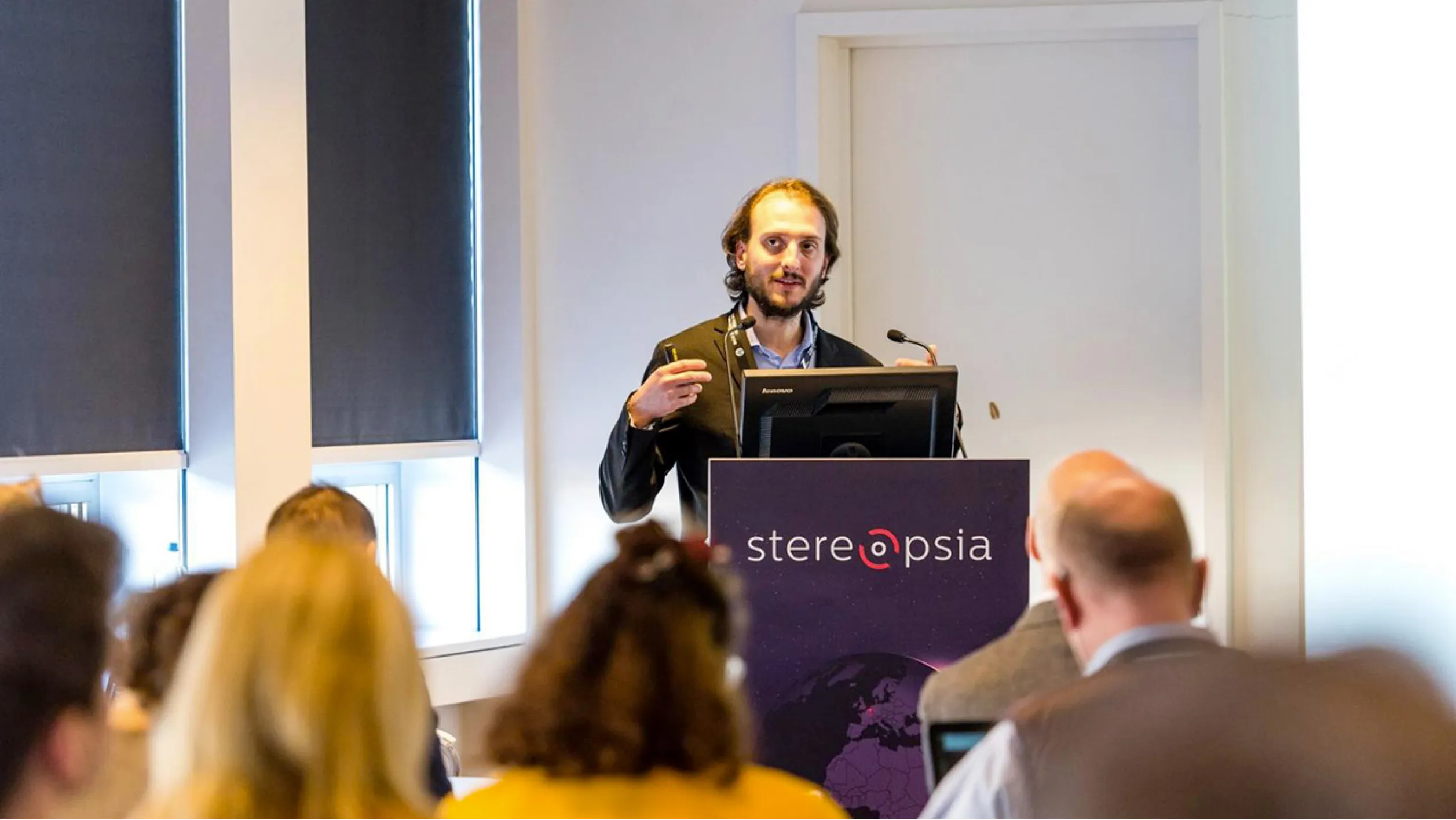
Role: VR Developer, Blogger (The Ghost Howls), AR/VR Consultant
Social Media: X/Twitter, LinkedIn, Website
Antony Vitillo (known online as SkarredGhost) maintains one of the most technically detailed VR development blogs and provides regular analysis of new hardware and software releases.
Vitillo's contribution is technical education and analysis for developers. His blog covers Unity and Unreal Engine VR development, hardware teardowns, SDK tutorials, and industry analysis. For developers building VR applications, Vitillo's tutorials and reviews provide practical implementation guidance.
Beyond blogging, Vitillo works as a consultant helping companies develop VR applications and evaluate hardware options. His perspective combines hands-on development experience with awareness of business requirements.
While less publicly prominent than platform creators or hardware founders, Vitillo represents the practitioners who implement VR systems for enterprise clients and document solutions to technical problems. His work accelerates knowledge transfer within the developer community.
Current Focus: The Ghost Howls blog, AR/VR consulting, VR application development.
What Defines Current VR Leadership
The common thread among these thought leaders is not social media presence or conference keynotes, but tangible technical contribution and strategic decision-making that shaped the trajectory of VR as a technology platform.
Several patterns emerge:
Hardware Determinism: Many top contributors built actual hardware rather than theoretical frameworks. VR advanced when engineers solved specific problems in optics, tracking, and latency.
Developer-First Thinking: Luckey, Carmack, and Newell prioritized making tools and platforms available to developers before pursuing mass consumer adoption.
Long-Term Capital: Bosworth's willingness to sustain multi-billion-dollar losses while building infrastructure demonstrates that VR required patient capital unavailable to startups.
Knowledge Transfer: Bye and Vitillo represent the essential role of documentation and analysis in accelerating an industry's learning curve.
The Next Generation of VR Thought Leaders
The individuals on this list primarily emerged between 2012-2017 during VR's reemergence. The next generation of thought leaders will likely come from different problem domains:
Rendering Optimization: As VR moves to wireless and standalone, engineers solving power and thermal constraints become critical.
Content Tools: Enabling non-programmers to build VR experiences remains an unsolved problem.
Enterprise Deployment: Practitioners figuring out VR training, visualization, and collaboration at scale.
Spatial OS: Building operating systems specifically for spatial computing rather than adapting mobile or desktop paradigms.
Why This Matters for Enterprise VR
Understanding who drives VR forward matters because their technical decisions cascade through the entire ecosystem. When Carmack advocated for standalone VR, it influenced Meta's product roadmap, which determined which hardware developers could target, which shaped what applications became viable.
For enterprises evaluating VR development, tracking these thought leaders provides signal about:
Which technical approaches have institutional support and development resources.
Where talent is concentrating and what problems are being actively solved.
Which platforms will receive long-term software and hardware updates.
What design patterns are emerging as best practices.
Frequently Asked Questions (FAQs)
Q1. Who are the top Virtual Reality (VR) thought leaders in 2026?
Palmer Luckey (Oculus founder, Anduril CEO), John Carmack (former Meta CTO), Boz Bosworth (Meta CTO), Gabe Newell (Valve president), Horacio Torrendell (Treeview CEO), Jeri Ellsworth (Tilt Five CEO), Kent Bye (Voices of VR), Alex Schwartz (Owlchemy Labs CEO), Jaron Lanier (VR pioneer), and Antony Vitillo (VR developer and analyst).
Q2. Who are the best VR experts to follow for enterprise Virtual Reality?
Horacio Torrendell for Fortune 500 implementations, Kent Bye for enterprise case studies, and Antony Vitillo for technical implementation. Enterprise VR expertise is distributed among systems integrators rather than high-profile public figures.
Q3. Who are the most influential people in the Virtual Reality industry today?
Boz Bosworth controls Meta's multi-billion VR budget. Palmer Luckey shapes defense VR through Anduril. Gabe Newell controls PC VR distribution via SteamVR. Horacio Torrendell demonstrates enterprise viability through Fortune 500 deployments.
Q4. Who are the top VR specialists for VR engineering and real-time rendering?
John Carmack pioneered real-time rendering for VR. Michael Abrash leads rendering research at Meta Reality Labs. Antony Vitillo documents practical optimization techniques for Unity and Unreal Engine.
Q5. Who are the top VR platform leaders shaping VR hardware and operating systems?
Boz Bosworth (Meta Quest/Horizon OS), Gabe Newell (SteamVR), Palmer Luckey (Anduril XR hardware), Apple's Vision Pro team (visionOS), and Sony's PlayStation VR engineering team.
Q6. Who are the top enterprise VR leaders focused on deployment, adoption, and maintainability?
Enterprise VR leadership exists at systems integrators like PTC, Unity enterprise teams, and Microsoft HoloLens program rather than individual public figures. Look to Fortune 500 case studies for deployment guidance.
Q7. Who are the top VR researchers working on latency, comfort, and presence?
Michael Abrash (Meta Reality Labs), Jaron Lanier (embodiment and presence), and John Carmack (latency reduction during his Meta tenure). Most actionable research comes from hardware teams at Meta, Sony, and Valve.
Q8. Who are the top VR standards and interoperability leaders?
Gabe Newell enabled hardware-agnostic VR through OpenVR and OpenXR support. The Khronos Group develops OpenXR standards. Boz Bosworth recently opened Meta Horizon OS to third-party hardware. VR standards remain fragmented across competing ecosystems.
Q9. Who are the top VR analysts for market maturity and adoption timing?
Kent Bye provides detailed market analysis through practitioner interviews. John Carmack offers public analysis of adoption barriers. For enterprise adoption timing, track Fortune 500 deployments rather than analyst forecasts.
Q10. Who are the top VR educators improving VR developer skills and production workflows?
Antony Vitillo (Unity/Unreal tutorials), Valve documentation, Meta developer guides, and Alex Schwartz's design postmortems from Owlchemy Labs.
Q11. What criteria define a VR thought leader versus a VR influencer?
Thought leaders ship production systems, publish peer-reviewed research, or make strategic decisions redirecting industry resources. Influencers create content about VR without building systems. This list prioritizes builders over commentators.
Q12. How do you evaluate whether a VR expert has real-world impact or only commentary?
Check for shipped products, published code, documented deployments, patents, open-source contributions, or employment by organizations making significant VR investments. Real impact is measurable through units sold, developers using platforms, or enterprises deploying solutions.
Q13. Which VR leaders are most relevant for enterprise training and simulation programs?
Palmer Luckey (military training via Anduril) and Horacio Torrendell (multiple industry training via Treeview). Evaluate systems integrators with documented implementations rather than platform creators. Boeing, Walmart, and military case studies provide actionable guidance.
Q14. Which VR leaders are shaping defense and high-reliability simulation use cases?
Palmer Luckey dominates defense VR through Anduril Industries, recently securing the U.S. Army's IVAS program. Defense VR operates with limited public disclosure, making it difficult to identify all contributors.
Q15. What are the most common reasons enterprise VR deployments fail, and what do top VR leaders recommend?
Inadequate hardware performance, poor UX causing motion sickness, insufficient content budgets, lack of system integration, and unrealistic ROI expectations. Leaders recommend starting with narrow use cases, prioritizing optimization over visual fidelity, and planning for iterative improvement.
Q16. How do VR leaders define "production-ready" Virtual Reality for enterprises?
John Carmack: sub-20ms latency, stable frame rates, reliable tracking. Enterprise adds device management, content updates, analytics, and LMS integration. Production-ready depends on use case: training applications have different requirements than visualization tools.
Q17. What are the best sources to track VR thought leadership: talks, papers, repos, podcasts, or product roadmaps?
Product roadmaps and shipped hardware provide the most reliable signal. GitHub repositories show actual implementation. Kent Bye's Voices of VR offers comprehensive interviews. Platform documentation from Meta, Valve, Sony, and Apple beats marketing materials.
Q18. Where can I see Virtual Reality examples across industries to validate use cases?
Meta, Valve, and Sony publish enterprise case studies. VR/AR Association maintains case study databases. IEEE VR documents research deployments. Most valuable validation comes from speaking directly with companies in your industry who have deployed VR.
Q19. What is the difference between AR, VR, and Spatial Computing, and why does it matter for VR strategy?
VR replaces your environment with digital worlds. AR overlays information without spatial awareness. Mixed Reality adds spatial understanding with occlusion and anchoring. Spatial Computing is the umbrella term. The distinction matters because different use cases require different technologies: training needs VR immersion, maintenance needs AR overlays, design review needs MR spatial registration.
Q20. How do I choose a VR development partner after identifying the top VR leaders and industry benchmarks?
Evaluate on shipped projects in your industry, technical depth of engineering team, understanding of deployment constraints, and realistic estimates. Request case studies with measurable outcomes. Verify senior engineering experience and platform expertise. Avoid partners promising revolutionary transformation without constrained pilots. Treeview has built enterprise VR since 2016 for Microsoft, Medtronic, and Fortune 500 clients, reach out to discuss your requirements.