
Virtual reality in healthcare is used for surgical simulation, patient-specific surgical planning, VR therapy, neurological rehabilitation, medical education, and augmented reality navigation in the operating room.
This post documents more than 65 named, verifiable examples of VR and AR in clinical and clinical-adjacent settings, organized by use case, spanning platforms deployed at scale across hundreds of institutions and earlier-stage programs with published peer-reviewed outcomes.
AR, VR, MR and XR: What Each Technology Actually Means
Extended Reality (XR) is the umbrella term for the full spectrum of immersive technologies. The examples in this page span all four points on that spectrum, each with a distinct clinical mechanism.
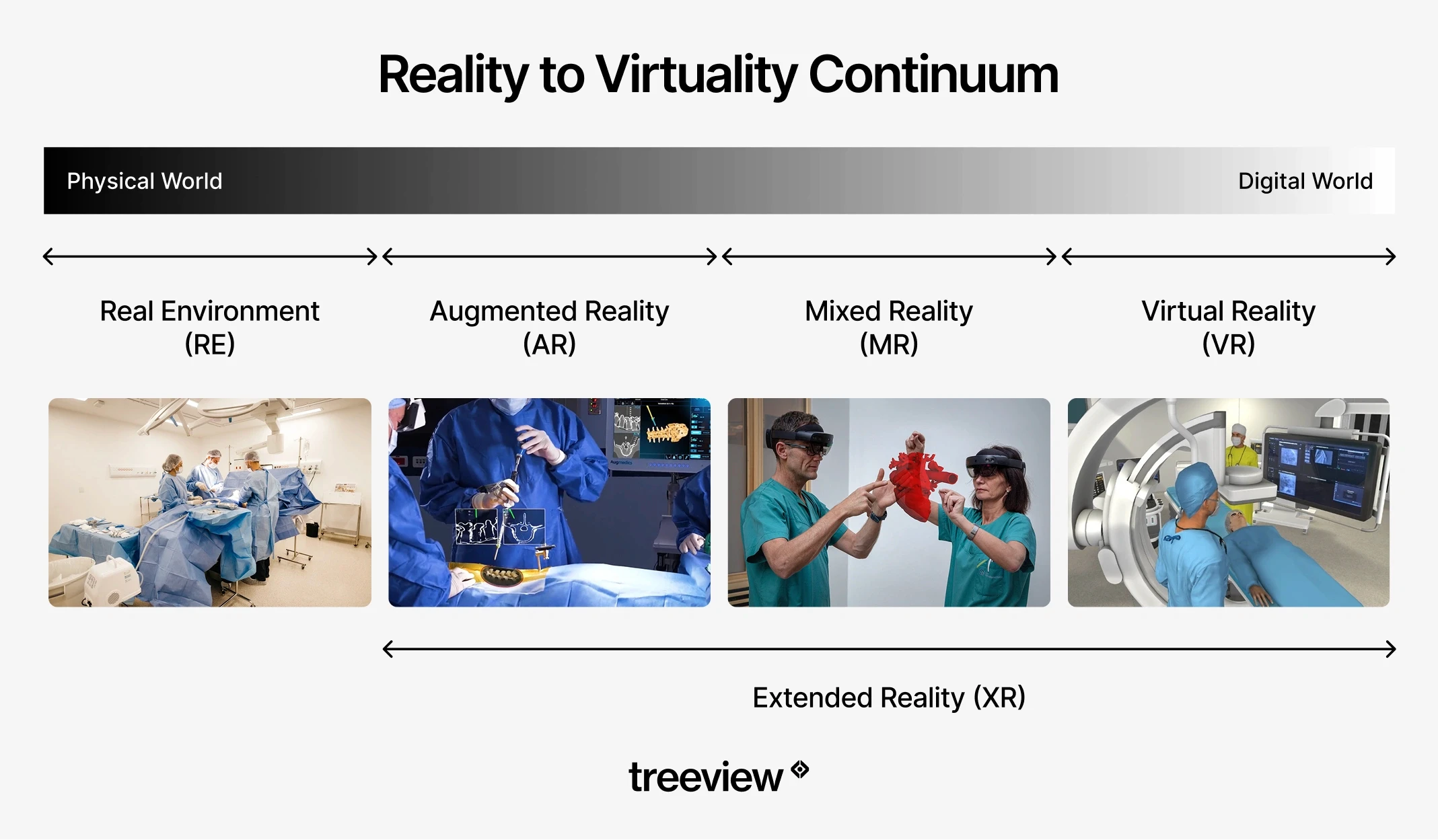
Real Environment (RE) is the baseline: the unmediated physical world, an operating room or clinical setting with no digital overlay. It is the reference point from which all XR technologies depart.
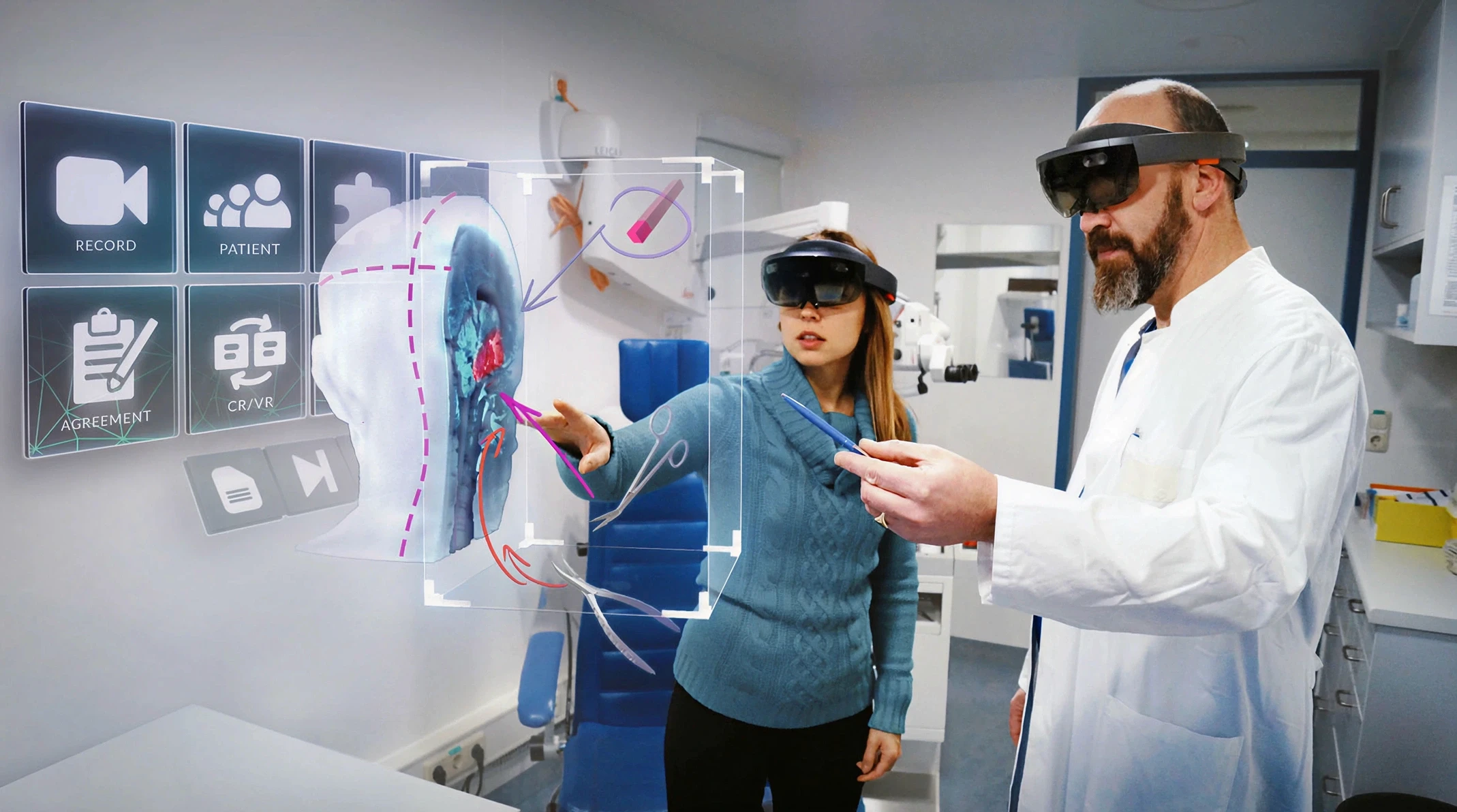
Augmented Reality (AR) adds a layer of digital content on top of the real world. The surgeon still sees the patient on the table, the instruments, and the OR, but also sees imaging data, anatomical overlays, or device guidance registered spatially to the operative field. AR is the right technology when the clinician must remain engaged with the physical environment while receiving additional information.
Mixed Reality (MR) allows digital objects to interact with the physical environment in real time. A 3D cardiac model can be anchored to a conference table and examined collaboratively by a surgical team. Digital and physical elements coexist and respond to each other spatially. MR is used in shared planning sessions, intraoperative guidance, and medical device visualization where spatial interaction between the virtual and the physical is the point.
Virtual Reality (VR) replaces the real environment entirely. The headset shuts out the physical world and substitutes a computer-generated environment. VR is the right technology when complete perceptual immersion is the clinical mechanism: surgical simulation, exposure therapy, neurological rehabilitation, or pain distraction, where the absence of the real world is what produces the clinical effect.
Extended Reality (XR) covers all of the above. When a healthcare organization asks about XR strategy, they are asking about the full continuum, from AR navigation in the OR to fully immersive VR rehabilitation programs and everything in between.
VR and AR in Healthcare: By the Numbers
Healthcare is the fastest-growing vertical in the XR industry, with a 33.9% compound annual growth rate that outpaces every other sector, according to Treeview's XR industry statistics report. The numbers behind the examples below give the scale of that growth some shape.
77% of healthcare organizations have implemented or plan to implement VR for training, per a 2023 Virti survey of 211 US healthcare workers
40% fewer errors recorded in VR-trained medical students versus control groups, per a peer-reviewed Vantari VR study published in ScienceDirect
50% reduction in patient pain scores documented in EaseVRx clinical case studies
$200,000 in monthly pain medication cost savings documented in EaseVRx deployment data
33.9% CAGR for healthcare XR, the highest of any industry vertical
$5.62 billion global VR healthcare market in 2025, projected to reach $66.91 billion by 2032 at a 31.3% CAGR, per Fortune Business Insights
These figures reflect a market that has moved well past the pilot stage. The examples below are the clinical reality those numbers describe.
Virtual Reality and Augmented Reality Use Cases in Healthcare
Surgical Training and Medical Simulation
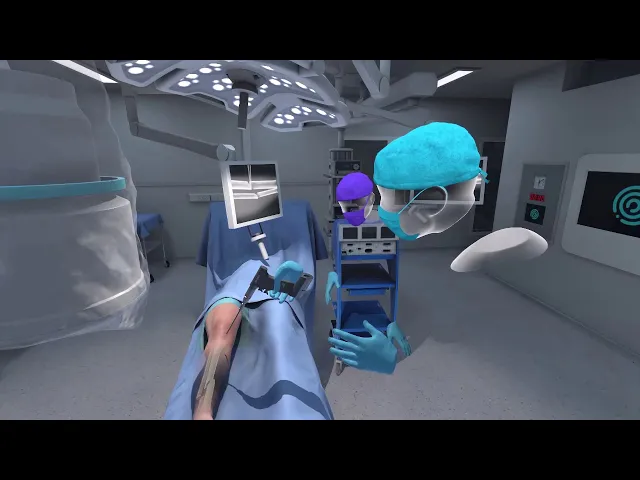
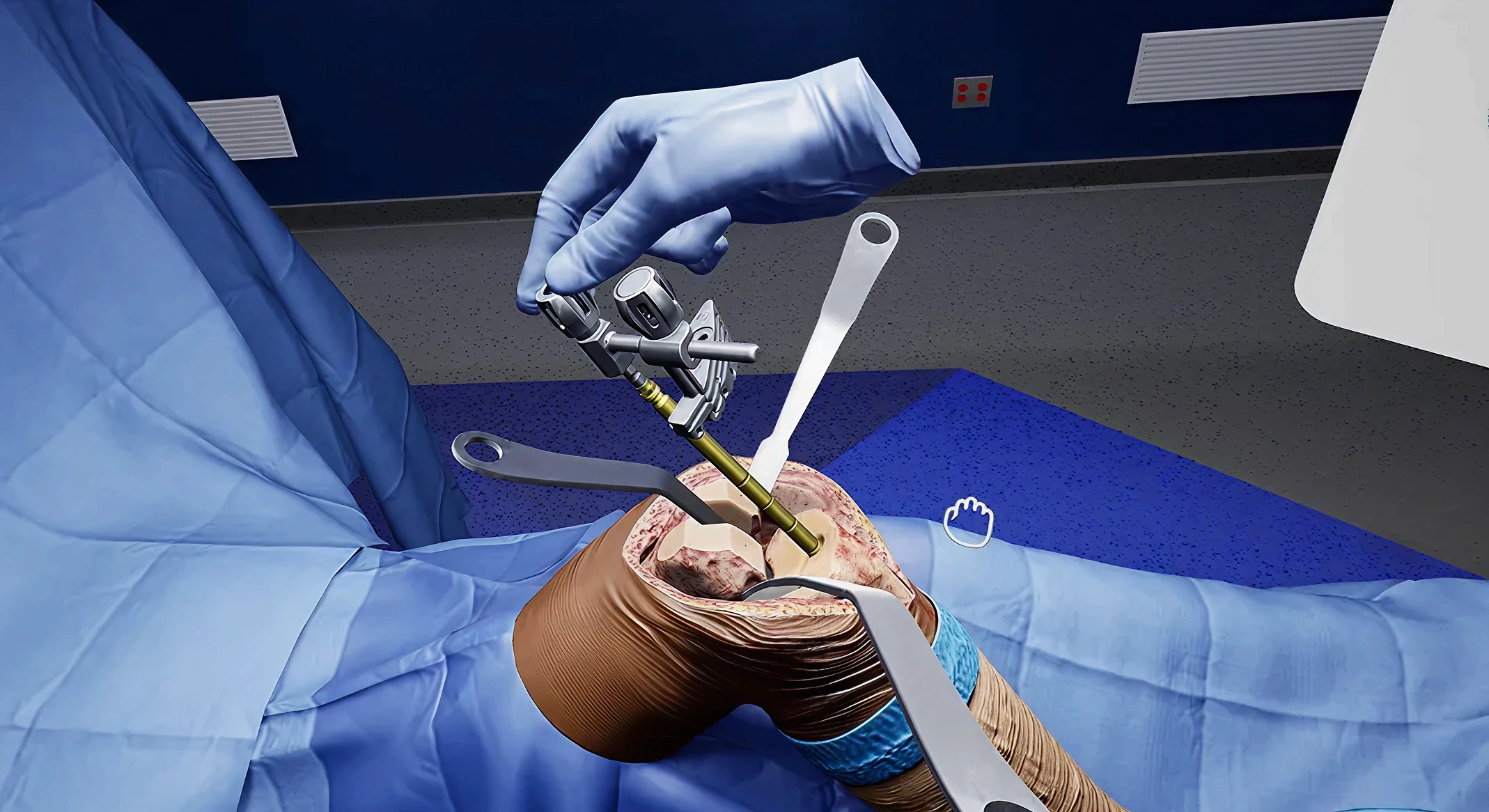
VR surgical simulation is the most clinically validated application of XR in healthcare, with adoption embedded in residency programs and medical device companies across the US, Europe, and Asia. The core case for it is straightforward: a surgical resident can rehearse a laparoscopic procedure 40 times before their first live case, at zero marginal cost per repetition, with objective performance feedback. In a cadaver lab, 40 repetitions are logistically and financially prohibitive.
Surgical Procedure Simulation
Medtronic Touch Surgery: The largest surgical simulation platform in the world, with 2.5 million active users, 400 validated procedures across 17 specialties, and integration into more than 100 US residency programs, with peer-reviewed validation at Stanford Hospital and Mount Sinai across 30+ published studies.
Osso VR: Used by medical device companies to train surgeons on new implant procedures during product launches, generating objective proficiency data from instrument handling, procedural sequencing, and completion time metrics to certify surgeons before live cases.
PrecisionOS: VR orthopedic training platform covering total hip and knee arthroplasty, spine, and trauma procedures, deployed in residency programs and device companies with published outcome data showing measurable accuracy improvements for VR-trained surgeons.
VirtaMed: Medical simulators for laparoscopy, arthroscopy, gynecology, and urology that combine VR visualization with haptic feedback devices replicating instrument resistance and tissue response, deployed in academic medical centers across three continents.
Fundamental Surgery: VR procedural training with integrated haptic feedback and validated assessment frameworks for surgical education, deployed at academic medical centers and by device companies for both resident training and objective surgeon evaluation.
CAE Healthcare: A simulation training company that has integrated VR into patient simulation platforms used at more than 2,000 healthcare institutions globally, covering surgical, nursing, anesthesia, and emergency medicine scenarios with mannequin-integrated and fully immersive VR modalities.
Emergency and Team Training
SimX: Multi-provider VR simulation for emergency medicine, military medicine, and mass casualty scenarios, used by residency programs and military medical units to train team coordination and decision-making under pressure.
MedVR Education: VR clinical training covering nursing procedures, emergency response, and clinical assessment skills, deployed across healthcare education programs globally.
Transfr Health Sciences: A virtual healthcare clinic simulation for health sciences programs giving students hands-on practice in patient assessment and clinical procedures before clinical placement.
Body Interact: A 3D virtual patient simulation platform used in clinical training programs across nursing, medicine, and physiotherapy at more than 450 institutions in over 60 countries, where students manage clinical cases including emergency scenarios, diagnostics, and patient monitoring in an interactive virtual environment.
Surgical Planning
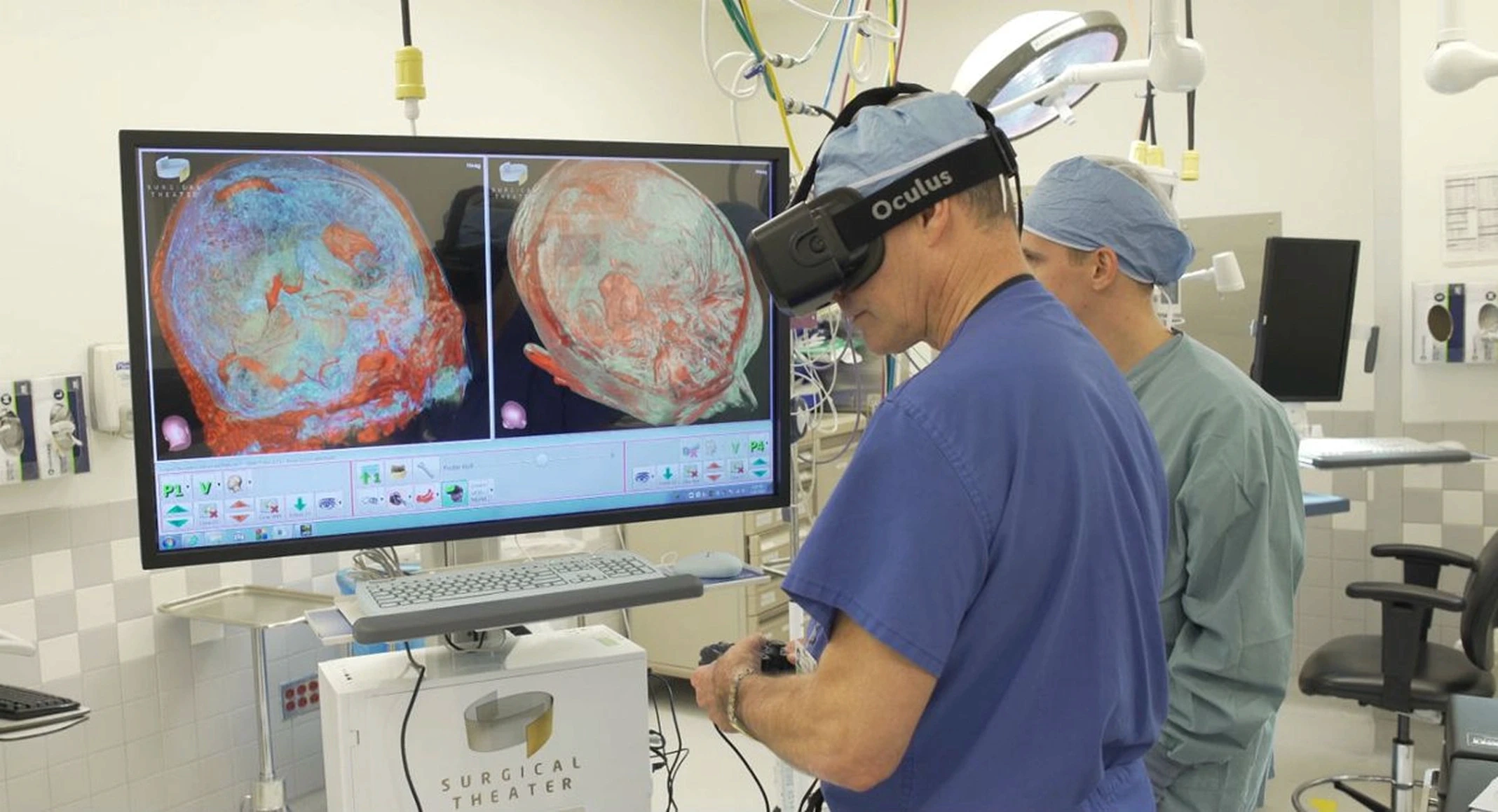
VR surgical planning allows a surgical team to rehearse a specific patient's procedure on that patient's own imaging data before the first incision. More than one in three surgical procedures changes when the team rehearses it in VR first. A 2026 Frontiers in Surgery systematic review analyzing 30 studies and 1,270 patients found that VR-based planning prompted operative plan modifications in 32 to 52% of cases. CT and MRI cross-sections are two-dimensional interpretations of three-dimensional anatomy; patient-specific 3D models navigated at room scale reveal spatial relationships that flat imaging consistently obscures.
Neurosurgery and Spine
Stanford Neurosurgery Virtual Reality Lab: Patient-specific 3D surgical planning used for more than 1,100 neurosurgery patients, where surgeons fly through a virtual rendering of the patient's brain examining tumor geometry, vascular proximity, and anatomical variants before entering the OR, with the same model used intraoperatively to correlate the VR rehearsal with the real-time microscopic view. Stanford also operates the Stanford Medical Mixed Reality Center for ongoing AR and VR research across surgical navigation, education, and patient well-being.
Surgical Theater: VR surgical rehearsal and planning platform deployed at more than 150 hospitals worldwide for neurosurgery, spine, and cardiac procedures, used both for operative preparation and for walking patients and families through a spatial rendering of their planned procedure before consent.
ImmersiveTouch: Patient-specific VR surgical planning with haptic feedback for neurosurgery, craniofacial surgery, and orthopedics, where force-feedback instruments simulate tissue resistance during pre-procedural rehearsal in VR.
Spinal and Real-Time Navigation
Proprio: Uses computer vision to build real-time 3D models of the surgical field during spinal procedures, overlaying preoperative planning data onto the live operative site as the procedure progresses.
Surgical Heads-Up Display and Intraoperative Navigation
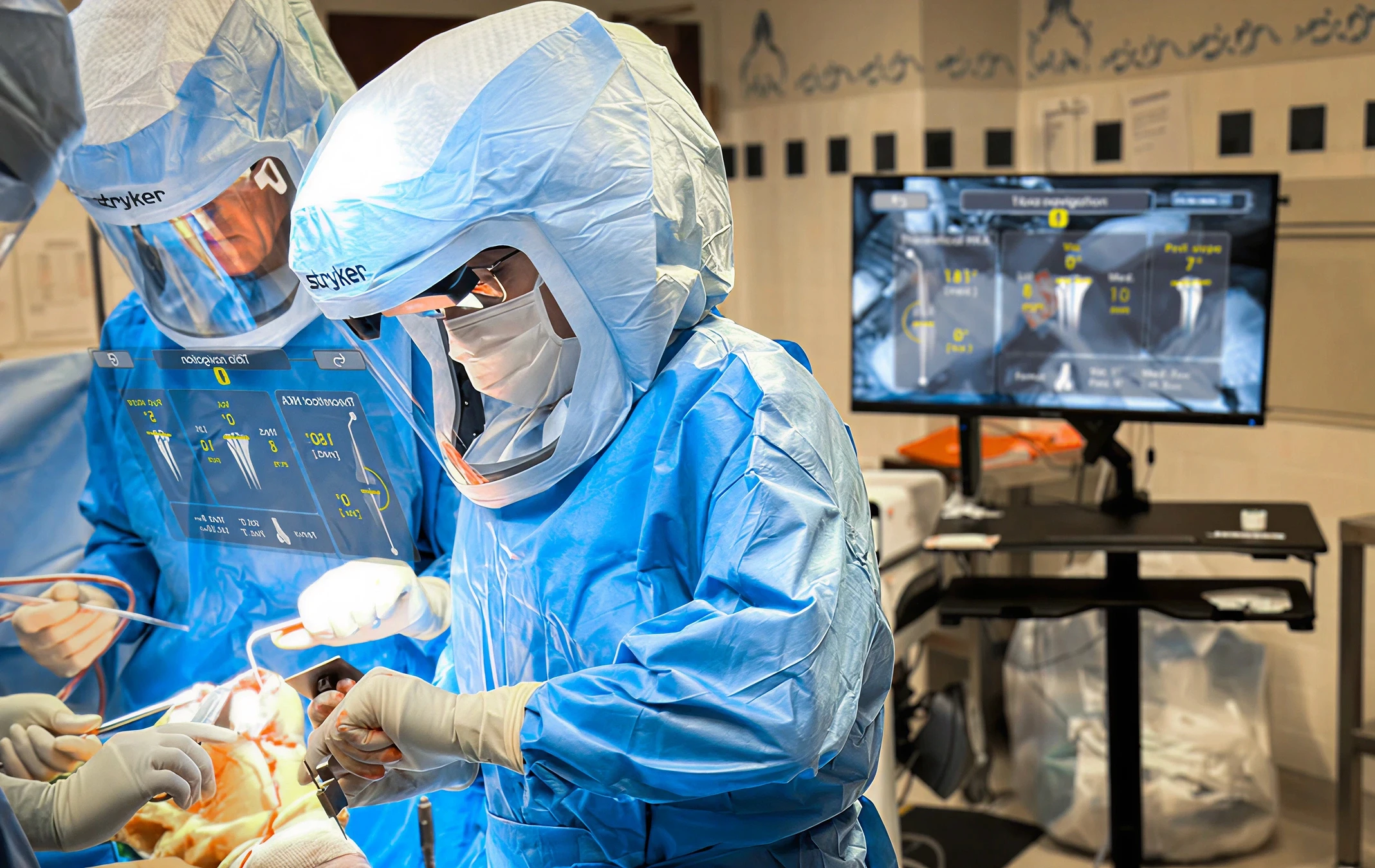
Augmented reality in medicine and surgery solves a fundamental attention problem: critical imaging data lives on a screen the surgeon has to look away from the patient to read. AR intraoperative navigation keeps imaging data, device positioning guidance, and anatomical landmarks spatially registered to the patient's body within the surgeon's direct line of sight throughout the procedure. The FDA has cleared multiple augmented reality surgical navigation systems under this use case, with published clinical data showing meaningful improvements in procedural accuracy.
Spatial Computing in the OR
Stanford Medicine: In February 2024, cardiac electrophysiologist Dr. Alexander Perino performed a cardiac ablation at Stanford Health Care using Apple Vision Pro to view up to eight simultaneous data overlays, including X-rays, anatomical cardiac imaging, and live vital signs registered to his gaze throughout the procedure, reported as among the first documented uses of spatial computing in live cardiac surgery.
Cataract surgery with Apple Vision Pro: Consultant ophthalmologist Mr. Amir Hamid at Moorfields Eye Hospital performed a cataract procedure using Apple Vision Pro to display patient data and surgical guidance in mixed reality, reported as the first use of spatial computing in ophthalmic surgery.
FDA-Cleared and Deployed Systems
Augmedics Xvision: The first AR headset to receive FDA 510(k) clearance for intraoperative use in spinal surgery, overlaying a real-time 3D view of the patient's spinal anatomy registered to preoperative imaging directly in the surgeon's line of sight during pedicle screw placement.
Microsoft HoloLens: The display platform underlying multiple FDA-cleared AR surgical navigation systems, including Medivis, which received FDA 510(k) clearance in December 2025 as the world's first AR system cleared for intraoperative guidance in cranial neurosurgery, following an earlier 2025 clearance for spine navigation.
Stryker Mako SmartRobotics: Integrates CT-based patient-specific planning with real-time AR visualization and haptic guidance for total hip and knee arthroplasty, used in more than 500,000 procedures across the US, Europe, and Asia.
Medivis SurgicalAR: AR surgical navigation for neurosurgery and interventional radiology with DICOM integration rendering patient-specific CT and MRI as overlays registered to the patient's position in the OR.
Radiology and Imaging
Visage Imaging on Apple Vision Pro: A spatial radiology workstation allowing radiologists and surgeons to review PACS imaging hands-free in mixed reality, reducing the cognitive friction of switching between imaging systems and the clinical field.
Medical Device Visualization
Medical device companies use AR and VR to communicate implant geometry, deployment mechanics, and therapy mechanisms to surgeons and clinical teams at a spatial precision that printed materials and 2D video cannot achieve. Treeview's VR and AR development work for healthcare enterprises includes two of the examples below, both built for Medtronic's MCXC division.
Cardiac Device Training
Micra XR Trainer (Medtronic / Treeview): A shared AR session accessible from iPad and HoloLens where a cardiologist and clinical education representative jointly examine a spatially accurate 3D model of the Micra leadless pacemaker and explore jugular and femoral implantation approaches together in augmented space, built by Treeview for Medtronic's MCXC division.
XRverse by Medtronic (Treeview): Extends the same spatial model across Medtronic's broader cardiac portfolio, covering the EV-ICD, Alta Viva, and Mosaic Neo product lines on iOS and HoloLens with Medtronic Academy LMS integration for credentialing.
Orthopedic and Surgical Devices
Johnson & Johnson MedTech: AR training applications across the DePuy Synthes and Ethicon portfolios giving surgeons interactive 3D access to device anatomy, procedural guidance, and implant sizing workflows.
Zimmer Biomet ZBEdge: Integrates AR visualization with intraoperative data tools for joint replacement, providing real-time feedback on implant alignment relative to the preoperative plan during bone preparation.
Diagnostics and Other Devices
Abbott: Built a Mixed Reality experience to communicate the blood donation process and diagnostic technologies to clinical audiences and the public through immersive visualization that conventional media formats cannot replicate.
Therapy and Rehabilitation
VR therapy is the most evidence-rich patient-facing application of XR in healthcare, and the one where commercial reimbursement has begun. The American Medical Association approved the first CPT billing code for VR therapy in 2022. The FDA has authorized the first in-home VR therapeutic. The evidence base spans pain management, neurological rehabilitation, and mental health treatment, each sitting on a distinct body of clinical research covered in depth in the extended reality in healthcare guide.

Pain Management
RelieVRx: The first FDA-authorized in-home VR treatment for chronic lower back pain and the first immersive therapeutic to receive CMS valuation, delivering a structured eight-week CBT-based program through a prescribed VR headset provided to the patient at home.
Karuna Labs: Uses VR motor training combined with graded exposure principles to address central sensitization in patients with chronic musculoskeletal conditions, targeting the neurological mechanism sustaining chronic pain rather than the symptom alone.
Neurological Rehabilitation
Post-stroke VR rehabilitation: The most statistically powered application in healthcare XR, with a 2024 systematic review of 55 RCTs and 2,142 stroke patients finding VR outperforming conventional therapy across upper limb motor function, functional independence, quality of life, spasticity, and hand dexterity, and a 2025 Frontiers in Neurology network meta-analysis identifying fully immersive VR as producing the greatest gains in gross motor function of any modality studied.
Neuro Rehab VR: Uses gamified VR motor exercises to improve engagement and compliance in stroke, traumatic brain injury, and spinal cord injury rehabilitation programs, deployed in rehabilitation hospitals and outpatient neurological practices.
Mental Health and Exposure Therapy
Oxford VR gameChange: Completed a phase III RCT published in The Lancet Psychiatry demonstrating significant reductions in avoidance behavior and anxiety for patients with psychosis-related agoraphobia who had not responded to conventional therapy, using graduated everyday virtual environments with a virtual coach.
Bravemind VR Exposure Therapy, University of Southern California ICT / US Department of Veterans Affairs: Developed at the USC Institute for Creative Technologies, Bravemind has been deployed at more than 60 VA and military treatment facilities, with published RCT outcomes showing PTSD symptom reductions of 50% or more in combat veterans who had not responded to traditional treatment protocols.
Limbix: VR-based mental health applications for adolescent depression and anxiety extending the CBT evidence base into VR-delivered formats, with ongoing clinical trials at academic medical centers.
Patient Care
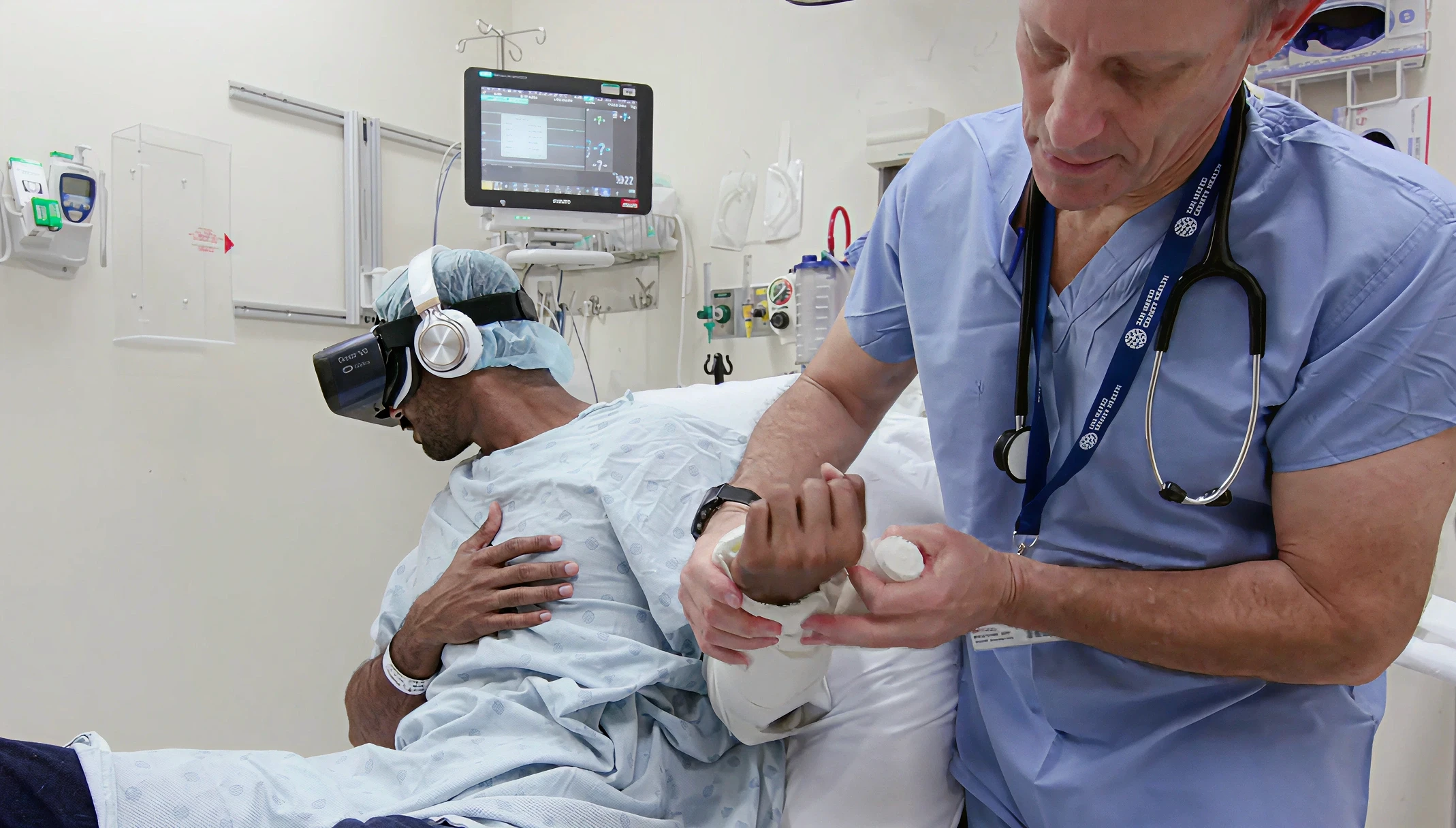
XR in direct patient care addresses a distinct problem from therapy and training: what does a patient need access to that their current physical situation makes impossible? For elderly patients in long-term care, for pediatric patients undergoing painful procedures, and for patients confined by illness or injury, VR can substitute for experiences the real world no longer offers.
Elderly Care
Rendever: VR experiences for assisted living and long-term care residents including virtual travel, family experiences, and nature environments, with clinical deployments documenting reductions in reported loneliness and depression scores.
VR calming environments for dementia: A 2025 systematic review and meta-analysis published in PMC covering studies from 2014 to 2024 found VR significantly reduced behavioral and psychological symptoms of dementia including agitation and apathy, with immersive nature environments and reminiscence-based VR among the most consistently effective content types.
Pediatric Care
Pediatric VR distraction, Shriners Children's Hospital and Boston Children's Hospital: VR distraction during blood draws, IV insertions, and wound care is in active use at pediatric institutions including Shriners Children's Galveston, where published clinical trials document VR reducing worst pain ratings by up to 50% versus no-VR controls during wound care in the ICU.
Patient Education and Informed Consent
VR patient education reduces pre-procedural anxiety, improves informed consent comprehension, and gives clinicians and patients a shared spatial framework for conversations that are otherwise conducted through diagrams and verbal description. The patient who has seen their own anatomy in the context of their planned procedure understands what they are consenting to in a way that a verbal explanation alone cannot achieve.
Patient-Facing Simulations
CardioCompass (Daiichi-Sankyo / Treeview): A cardiovascular health simulation built by Treeview for Daiichi-Sankyo showing patients how lifestyle choices affect LDL cholesterol, atrial fibrillation risk, diabetes, stroke, and hypertension through interactive simulation, deployed in clinical settings across Europe and the Middle East on iOS, Android, Meta Quest, Apple Vision Pro, Samsung Galaxy XR, WebGL and Sony's Spatial Reality Display.
UCLA Health VR surgery prep: Uses patient-specific 3D VR models to explain upcoming procedures to patients including pediatric patients, reducing anxiety and improving informed consent understanding.
Diagnostic and Observational Tools
VisionWEARx (Treeview): A VR diagnostic application built by Treeview that places patients in a controlled virtual environment and uses their behavioral and perceptual responses to surface patterns relevant to the clinical assessment of learning and neurodevelopmental disorders.
Inviewer (Treeview): A spatial science simulator with a health education module allowing students and patients to explore biological and anatomical content at room scale on Meta Quest, used where spatial engagement with complex biological systems is the core learning objective.
Medical and Clinical Education
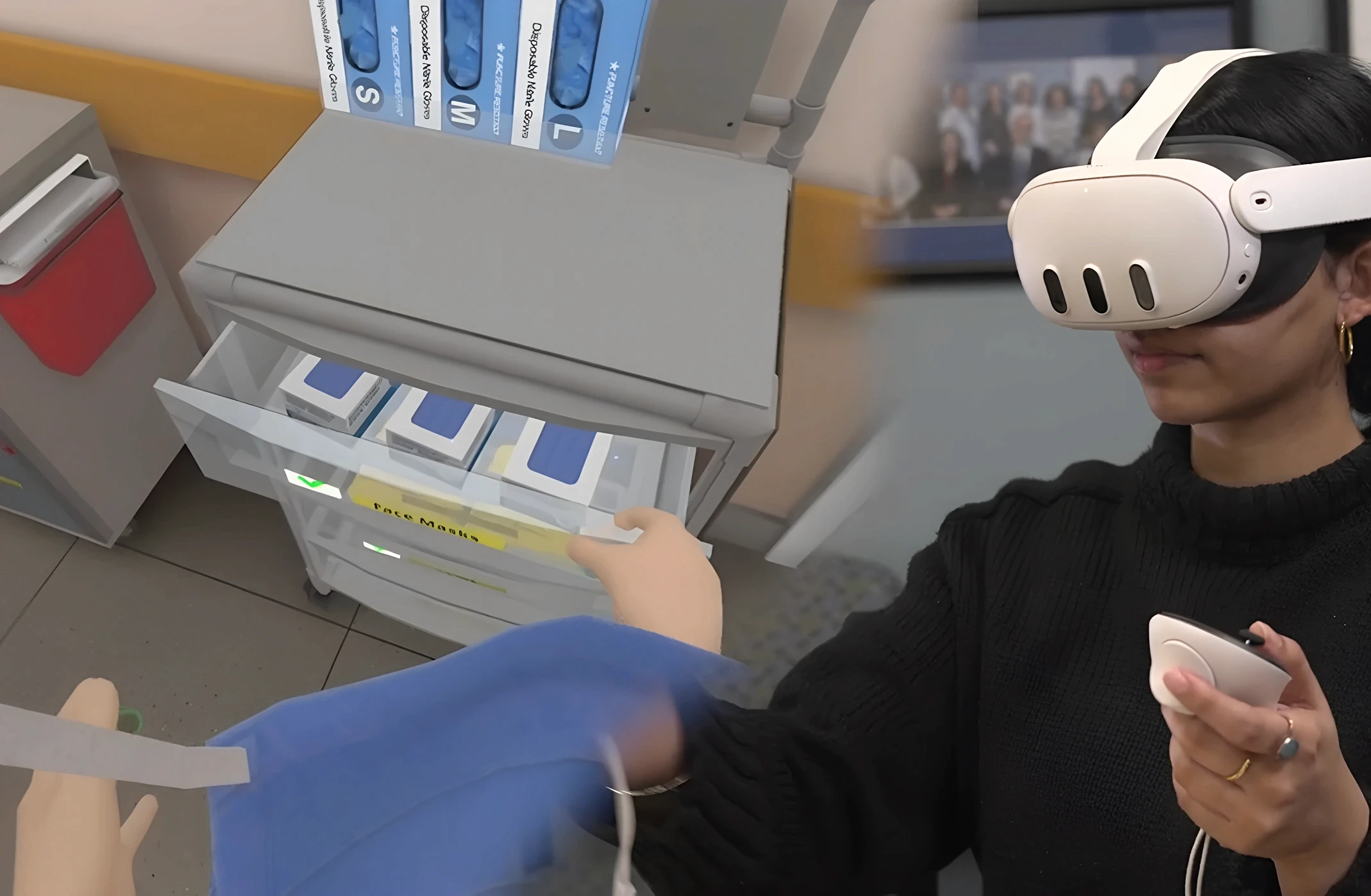
Medicine is three-dimensional, and VR and AR development gives medical students, nursing trainees, and clinical educators access to anatomy, physiology, and procedure in the spatial dimensionality the discipline requires. The heart does not sit on a flat page, and a tumor's relationship to surrounding vasculature cannot be fully understood from cross-sectional imaging.
Anatomy and Science Education
CellWalk: Lets students walk through bacterial cells and explore cellular structures at room scale on iPad and Apple Vision Pro, targeting the gap between what a microscopy lecture can convey and what a student needs for genuine spatial intuition about cellular biology.
Clinical Skills Training
Ghost Medical: Produces medical animation, VR, and AR content for healthcare companies, academic institutions, and device manufacturers, including surgical training simulations and mechanism-of-action experiences deployed across major pharmaceutical and device companies.
Cleveland Clinic Center for Medical Art and Photography: Uses VR and 3D visualization tools in surgical resident education, patient communication, and anatomy instruction, with Cleveland Clinic surgeons using patient-specific VR models for pre-procedural planning and training across complex cardiac, neurological, and craniofacial cases.
Drug Discovery and Pharmaceutical Training
VR in drug discovery addresses a fundamental spatial mismatch: medicinal chemists evaluating binding pocket geometry, steric clashes, and bond angles are solving a three-dimensional problem on a two-dimensional screen. Mixed reality and VR platforms put researchers inside the molecular structure at room scale, reaching into protein binding pockets and co-designing candidate compounds with colleagues across locations from a shared virtual viewpoint. Drug development averages $515 million per approved compound accounting for failure costs, according to University of Michigan research on pharmaceutical R&D economics. Technologies that compress timelines or surface design errors earlier in the process return meaningful value at that cost baseline.

Molecular Design and Research
Nanome at Janssen and Novartis: Collaborative VR molecular design sessions used by researchers at both companies, with published case studies documenting binding conflicts and design improvements identified in VR that were missed in screen-based review, with direct impact on lead candidate selection.
Manufacturing and Commercial
3DforScience: Produces VR and AR content for pharmaceutical companies including mechanism-of-action visualizations and congress medical education experiences for major events including ASCO, ESC, and EASD.
Human Digital Twins and Diagnosis
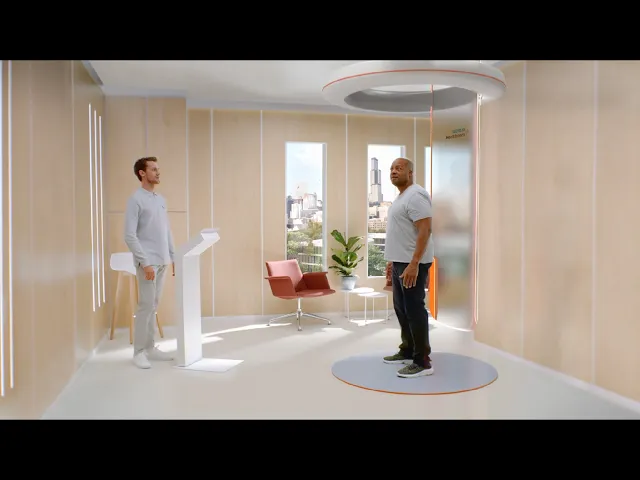
A healthcare digital twin is a computational model derived from real patient data, including imaging, genomics, biomarkers, and wearable signals, that can simulate treatment response, disease progression, or surgical outcomes before any intervention takes place. XR is the interface that makes these models navigable and clinically actionable at the point of care, turning computational output into something a surgical team can walk through and interrogate spatially. For an overview of how digital twin development works in enterprise clinical contexts, see Treeview's digital twin development services.
Cardiac and Oncology Twins
Siemens Healthineers: Builds patient-specific 4D flow MRI-derived computational fluid dynamics models of individual cardiac function, letting cardiologists simulate blood flow and evaluate interventional outcomes before catheterization or surgery.
Philips: Ongoing oncology research into patient digital twins using imaging and genomic data to model tumor response to different treatment protocols before the first dose is administered.
Dassault Systèmes Living Heart Project: A validated computational heart model used by researchers, device companies, and the FDA in regulatory submissions, the most cited example of a medical digital twin in active regulatory use.
Operational Twins
Sutter Health and NHS trusts, operational digital twins: Multiple health systems including Sutter Health and NHS trusts have implemented operational digital twins to model patient flow, bed utilization, and resource scheduling, enabling hospital leadership to run scenario analyses on capacity planning and emergency surge response without disrupting live operations.
Robotic-Assisted Surgery and Teleoperation
Robotic surgery examples increasingly show XR integration at the core of the operative experience, expanding the surgeon's perceptual access to the field and enabling manipulation of instruments at a remove while maintaining a higher-fidelity view of the anatomy than the naked eye can provide. The most advanced systems are moving toward an operative interface that is itself a fully immersive XR environment rather than a conventional display.
Surgical Robotics
Intuitive Surgical da Vinci: Gives surgeons a high-definition 3D view of the operative field through a console controlling robotic instruments with hand and wrist movements, deployed in more than 10 million procedures across general surgery, urology, gynecology, and thoracic surgery.
Activ Surgical ActivEdge: Provides intraoperative fluorescence imaging and AR overlays identifying critical structures during laparoscopic procedures to reduce intraoperative risk.
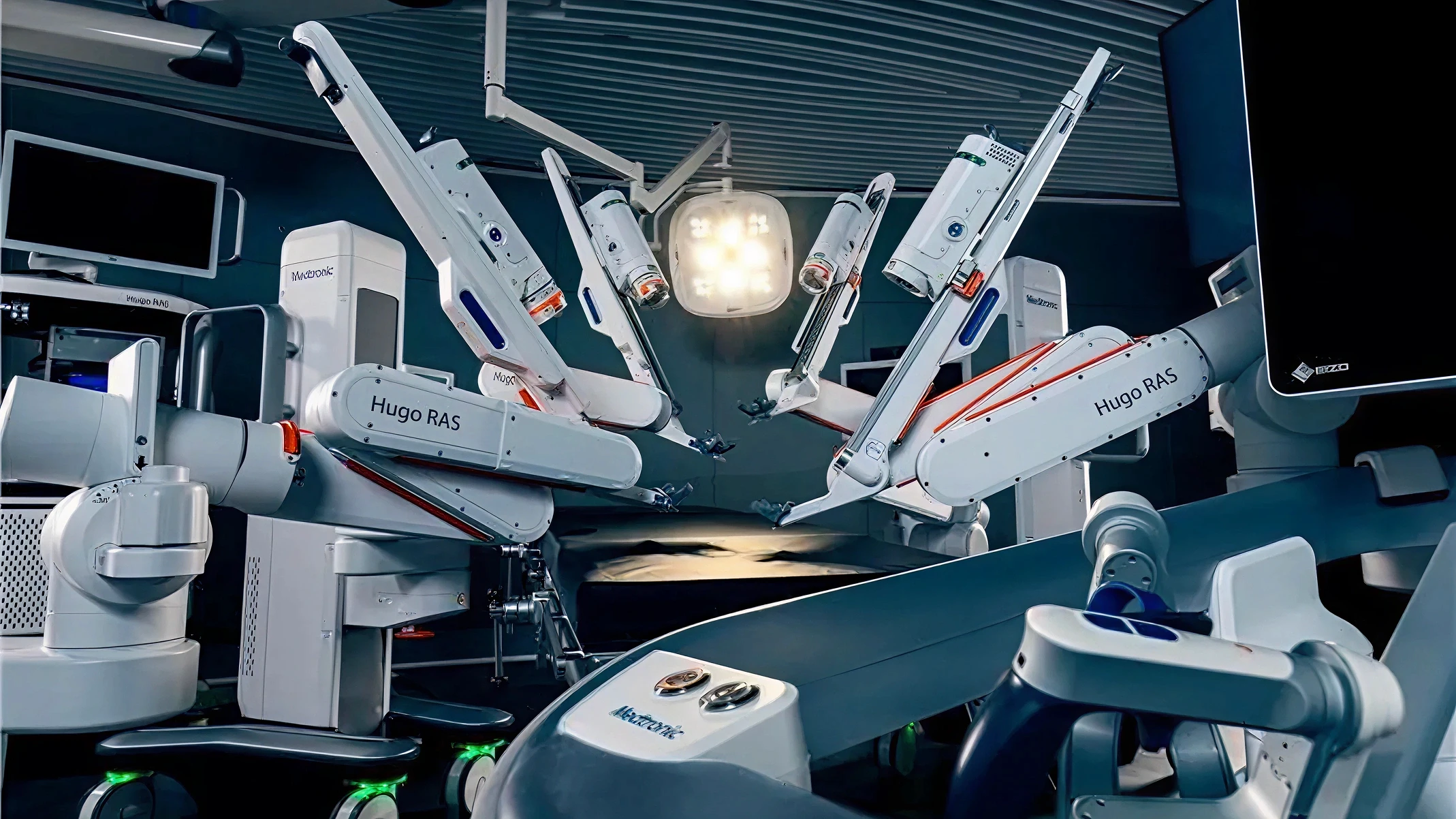
Medtronic Hugo RAS and J&J Verb Surgical: Next-generation robotic platforms integrating real-time imaging, AR overlays, and AI-driven guidance into the surgical console, moving toward a model where the operative interface is an immersive XR environment rather than a conventional display.
Telementoring and Remote Emergency Support
AR telementoring closes the geographic access gap in specialist medicine by transmitting both the visual field of a procedure and the expert's spatial annotations to wherever they are needed, without requiring physical presence. Specialists with the deepest experience in complex procedures are concentrated at a small number of academic medical centers; telementoring extends that expertise across institutions, regions, and national borders.
Remote Surgical Guidance
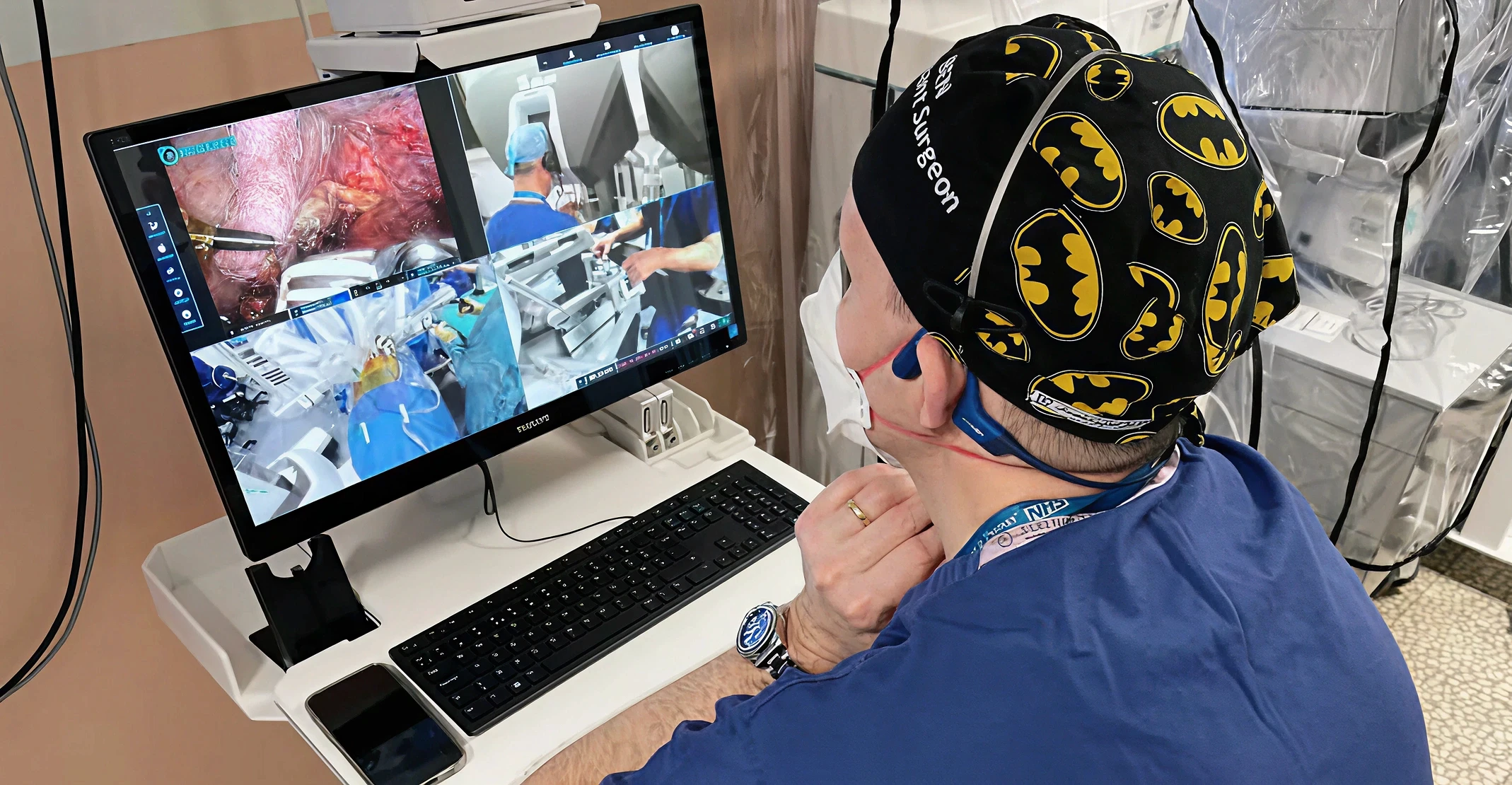
Proximie: Operates in more than 40 countries for surgical telementoring and remote proctoring, transmitting a live annotated view of the operative field to a remote expert who draws guidance directly onto the shared view in real time, with published outcome data across multiple surgical specialties.
AR telementoring in minimally invasive surgery: A 2025 scoping review published in JMIR covering AR-cue-based telementoring in minimally invasive surgery found that real-time dynamic AR overlays, including virtual hand gesture guidance and instrument trajectory annotations, consistently improved operating surgeon performance and reduced procedural errors across laparoscopic, robotic, and endoscopic procedures.
Emergency Support
Incheon Red Cross Hospital (South Korea): Published a VR-based remote emergency triage case series demonstrating AR guidance of paramedics at mass casualty scenes by emergency physicians at a central coordination center, transmitting a real-time annotated view of the field for triage decision support.
Hospital and Facility Design
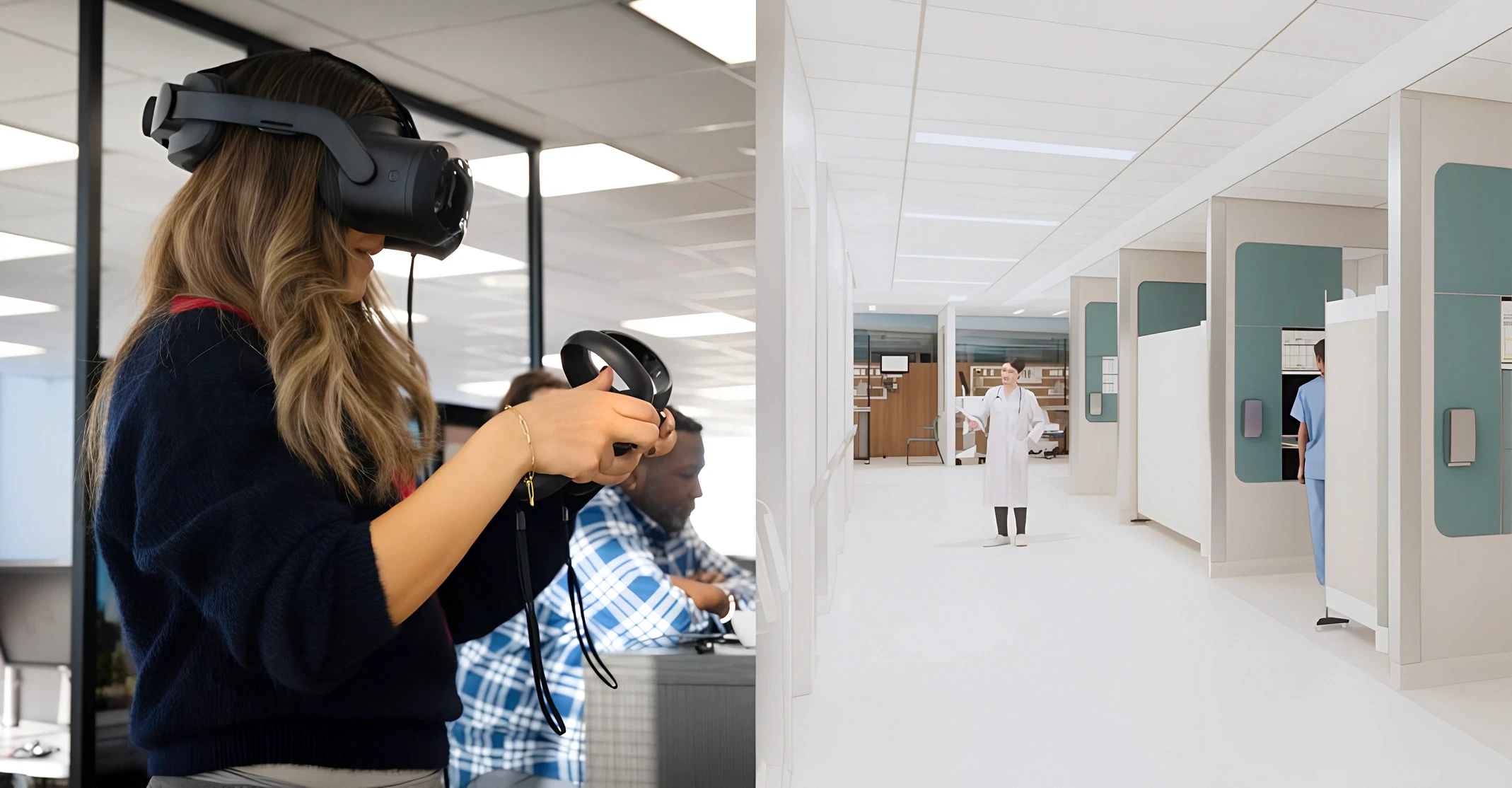
VR hospital design gives architects, engineers, and clinical staff a 1:1 scale walkthrough of a proposed facility before construction begins, surfacing spatial problems that floor plans consistently miss. Sightlines from nursing stations, equipment clearance in procedure rooms, patient transport bottlenecks, and the physical logic of clinical workflows are all invisible on a 2D drawing and immediately apparent when you walk through the virtual reality environment.
Design Validation
Perkins&Will and HDR: Use VR walkthroughs as standard deliverables in hospital design projects, with clinical department heads and nursing leadership reviewing proposed layouts in VR before construction drawings are finalized.
Hamad Medical Corporation: Qatar's primary public healthcare provider has used VR facility walkthroughs for new hospital unit design validation, with clinical and nursing leadership identifying spatial and operational problems in VR before construction.
NHS Nightingale: Used BIM-integrated VR during COVID-19 to accelerate design review and fit-out of emergency hospital facilities, compressing review cycles from weeks to days by replacing in-person site visits with remote VR walkthroughs.
What Building VR and AR Applications for Healthcare Actually Looks Like
Start with the clinical problem, not the technology
The healthcare organizations that get the most out of XR investment come in knowing what workflow, communication challenge, or training gap they need to solve. The technology choice follows from that. A training workflow problem, a regulatory communication challenge, and a device sales enablement gap each call for a different kind of application, different distribution, and different success metrics. Defining the clinical problem first is what makes the technology selection coherent.
Healthcare XR is a clinical discipline as much as a development discipline
Medical animations are functional clinical representations, not illustrations. The cardiologists, surgeons, and clinical educators embedded in every project observe at a level of detail that has no equivalent in other software categories. A coronary artery rendered at the wrong diameter, a catheter approach shown from the wrong anatomical angle: each requires a clinical re-brief, a modeling revision, and another SME review cycle. Building in healthcare requires working at that standard from the first deliverable, not after the first round of clinical feedback.
Multi-platform architecture is an upfront decision
CardioCompass was scoped from day one for iOS, Android, Meta Quest, Apple Vision Pro, Samsung Galaxy XR, and WebGL. That decision shaped the entire architecture before a single asset was produced. Unity as the core stack made build-once-deploy-everywhere possible. Organizations that want multi-platform deployment get there with the right architectural foundation set at the start, not retrofitted after the first version ships.
Complete IP ownership is the right structure for enterprise healthcare
Every client owns everything Treeview builds for them: the code, the visual assets, the 3D models, the content, the clinical logic. Nothing is reused across clients, templated from previous engagements, or shared. This is appropriate for the competitive sensitivity of device companies and pharmaceutical firms, and it is what makes the output genuinely theirs, built to their clinical standards and regulatory context rather than to a generic platform's defaults.
Custom development and off-the-shelf platforms solve different problems
Well-validated platforms exist for surgical simulation, VR therapy, and patient education. When a clinical use case fits one of them, they deliver faster and at lower cost than custom development. Custom development earns its place when the use case is specific enough that no existing platform covers it, when clinical accuracy requirements exceed what a generic platform provides, when system integration is essential, or when IP ownership is a strategic requirement. Medical device visualization, specialized diagnostics, and novel therapeutic applications tend to fall into that category more often than standard training or education use cases.
Frequently Asked Questions
Q1. How are hospitals using VR today?
Hospitals use VR for surgical simulation and resident training, patient-specific surgical planning, intraoperative AR navigation, VR therapy for pain and rehabilitation, patient education before procedures, and clinical staff training across nursing, emergency medicine, and behavioral health. The most widespread deployment is VR surgical simulation, where platforms like Medtronic's Touch Surgery have reached 2.5 million active users across more than 100 US residency programs.
Q2. What is the difference between AR and VR in a clinical context?
VR replaces the real environment entirely with a computer-generated one, making it the right technology when complete immersion is the clinical mechanism: surgical simulation, exposure therapy, rehabilitation exercises, or patient education. AR keeps the real world in view and adds a layer of digital information on top of it, making it the right technology when the clinician must remain engaged with the physical environment, as in intraoperative navigation, device visualization, or surgical heads-up displays. The extended reality in healthcare guide covers both in full.
Q3. Is VR therapy FDA approved?
The FDA does not use the term "approved" for most medical devices; it uses "cleared" (510(k)) or "authorized" (Breakthrough Device). RelieVRx received FDA Breakthrough Device authorization as the first in-home VR treatment for chronic lower back pain. The FDA has cleared or authorized 69 medical devices incorporating VR or AR technology since 2015, with more than 60% focused on surgical planning and simulation. Individual VR applications that make no diagnostic or therapeutic claims, such as staff training or patient relaxation tools, typically do not require FDA clearance.
Q4. Is VR therapy covered by insurance?
In the United States, the American Medical Association approved the first CPT billing code for VR therapy in 2022, and the Centers for Medicare and Medicaid Services established a reimbursement value for RelieVRx following its FDA authorization. Private payer coverage is expanding as more applications clear the FDA pathway. In Germany, the DiGA digital health applications pathway allows VR therapeutics to qualify for statutory health insurance reimbursement through federal evaluation. Coverage varies significantly by payer, plan, indication, and jurisdiction.
Q5. What clinical evidence exists for VR in healthcare?
The strongest evidence is in surgical training, pain management, and post-stroke neurological rehabilitation. A 2024 systematic review of 55 randomized controlled trials and 2,142 stroke patients found VR outperforming conventional therapy across upper limb motor function, functional independence, quality of life, and spasticity. A 2026 Frontiers in Surgery systematic review found VR surgical planning prompted operative plan changes in 32 to 52% of cases. RelieVRx received FDA authorization on the basis of published RCT evidence for chronic lower back pain. Oxford VR's gameChange program completed a phase III trial published in The Lancet Psychiatry.
Q6. What are the most common use cases of XR in healthcare?
The most common use cases of XR in healthcare are surgical training and simulation, surgical planning with patient-specific anatomy, intraoperative AR navigation, VR therapy for pain and neurological rehabilitation, medical device visualization and sales training, patient education before procedures, and medical and clinical education. Drug discovery, digital twins, robotic surgery, and telementoring are emerging use cases with growing adoption and evidence bases.
Q7. Which companies are leading XR development for healthcare?
The leading companies vary by use case. In surgical simulation, Medtronic Touch Surgery, Osso VR, PrecisionOS, and VirtaMed are most widely deployed. In intraoperative AR, Augmedics, Medivis, and Stryker Mako are the most adopted. In VR therapy, AppliedVR (RelieVRx) and XRHealth lead on the therapeutic side, with Oxford VR prominent in mental health. In medical device visualization, Medtronic's MCXC division, Johnson & Johnson MedTech, and Zimmer Biomet have the most active programs. Treeview has built custom XR for Medtronic and Daiichi-Sankyo, among others, as documented in the examples above.
Q8. How much does it cost to develop a healthcare VR application?
Custom healthcare VR applications typically range from $80,000 to $500,000 or more for initial development, depending on the clinical complexity, the level of 3D asset creation required, integration with clinical systems, and regulatory requirements. Applications making therapeutic or diagnostic claims that require FDA clearance carry additional timelines and costs. Off-the-shelf platforms for training and education can be licensed for a fraction of that, though they will not match a custom application's clinical specificity or workflow integration.
Q9. What VR headsets are used in clinical settings?
Meta Quest 3 and 3S are the most widely deployed headsets in clinical training and therapy settings due to their standalone form factor, accessible price point, and enterprise management tools. PICO 4 Enterprise is the primary alternative in EU and APAC markets where Meta distribution is limited. Apple Vision Pro is used for high-fidelity surgical planning, spatial radiology, and patient education workflows where its mixed reality passthrough and display quality justify the cost. Microsoft HoloLens 2 remains the most common headset in FDA-cleared intraoperative AR navigation systems. For a full headset comparison for healthcare, the extended reality in healthcare guide covers specifications, clinical suitability, and regulatory considerations.
Q10. What regulations apply to VR applications in healthcare?
In the United States, VR applications that diagnose, treat, mitigate, or prevent a disease or condition are regulated by the FDA as medical devices, typically under 510(k) clearance or Breakthrough Device authorization. HIPAA applies to any VR application handling protected health information. In the EU, medical device VR applications must meet the Medical Device Regulation (EU MDR 2017/745) and carry CE marking; GDPR governs personal data. In the UK, the MHRA oversees medical devices with UKCA marking requirements under phased implementation. In Germany, the DiGA pathway provides a route to statutory health insurance reimbursement for qualifying digital health applications including VR therapeutics. Japan, Australia, and Canada each have equivalent national regulatory bodies with their own classification frameworks.
Q11. How does VR improve surgical training outcomes?
VR improves surgical training by providing repeatable, consequence-free deliberate practice in a simulated operative environment with objective performance feedback. Studies consistently show transfer of learning from VR to live performance: residents trained on VR simulators demonstrate measurable improvements in procedural accuracy, completion time, and error rates when performing real procedures. The advantage compounds at scale: a resident can rehearse a complex laparoscopic procedure 40 times in VR at zero marginal cost, which is simply not possible in cadaver labs or supervised live operating room time.
Q12. What is a patient digital twin in healthcare?
A patient digital twin is a computational model derived from an individual patient's real data, including imaging, genomics, biomarkers, and physiological signals, that can be used to simulate how that patient will respond to a treatment, how their condition will progress, or how a surgical intervention will alter their physiology. XR is the interface that makes these models navigable: a surgical team can walk through a patient digital twin in VR, examining vascular anatomy and rehearsing an intervention on that specific patient's physiology before the first incision. Siemens Healthineers, Philips, and Dassault Systèmes are among the leading companies with deployed patient digital twin programs.
Q13. What is AR in healthcare?
Augmented reality in healthcare refers to the use of digital overlays registered to the real physical environment for clinical purposes. In practice, AR in healthcare means a surgeon seeing imaging data and anatomical guidance rendered directly onto their view of the operative field through a headset, a cardiologist examining a 3D model of a cardiac implant in shared augmented space with a clinical team, or a medical student overlaying anatomical labels onto a physical specimen. AR keeps the real world in view and adds a layer of clinical information on top of it, making it distinct from VR, which replaces the real environment entirely.
Q14. How can VR be used in healthcare?
VR can be used in healthcare across more than a dozen distinct clinical contexts: surgical training and simulation, patient-specific surgical planning, VR therapy for pain and neurological rehabilitation, exposure therapy for mental health, patient education before procedures, medical and anatomy education, drug discovery visualization, digital twin navigation, facility design validation, and remote surgical support. The common thread is that VR's full perceptual immersion either creates the clinical effect directly (as in pain distraction or exposure therapy) or provides the spatial fidelity that flat media cannot (as in surgical simulation and drug molecule visualization).
Q15. What are the benefits of virtual reality in healthcare?
The documented benefits of virtual reality in healthcare include measurable reductions in medical error rates (40% fewer errors in VR-trained groups versus controls), accelerated procedural training with improved transfer to live performance, significant pain score reductions in VR therapy programs (up to 50% in published studies), improved surgical planning outcomes with plan modifications in 32 to 52% of VR-rehearsed cases, higher patient comprehension and lower pre-procedural anxiety in VR education programs, and cost savings through reduced cadaver lab dependency, shorter training cycles, and in some programs reduced medication costs. The evidence base is strongest in surgical simulation, pain management, and post-stroke rehabilitation.