
The best Mixed Reality (MR) companies in 2026 are the specialized organizations leading the Spatial Computing industry and driving the the growth of Mixed Reality technologies.
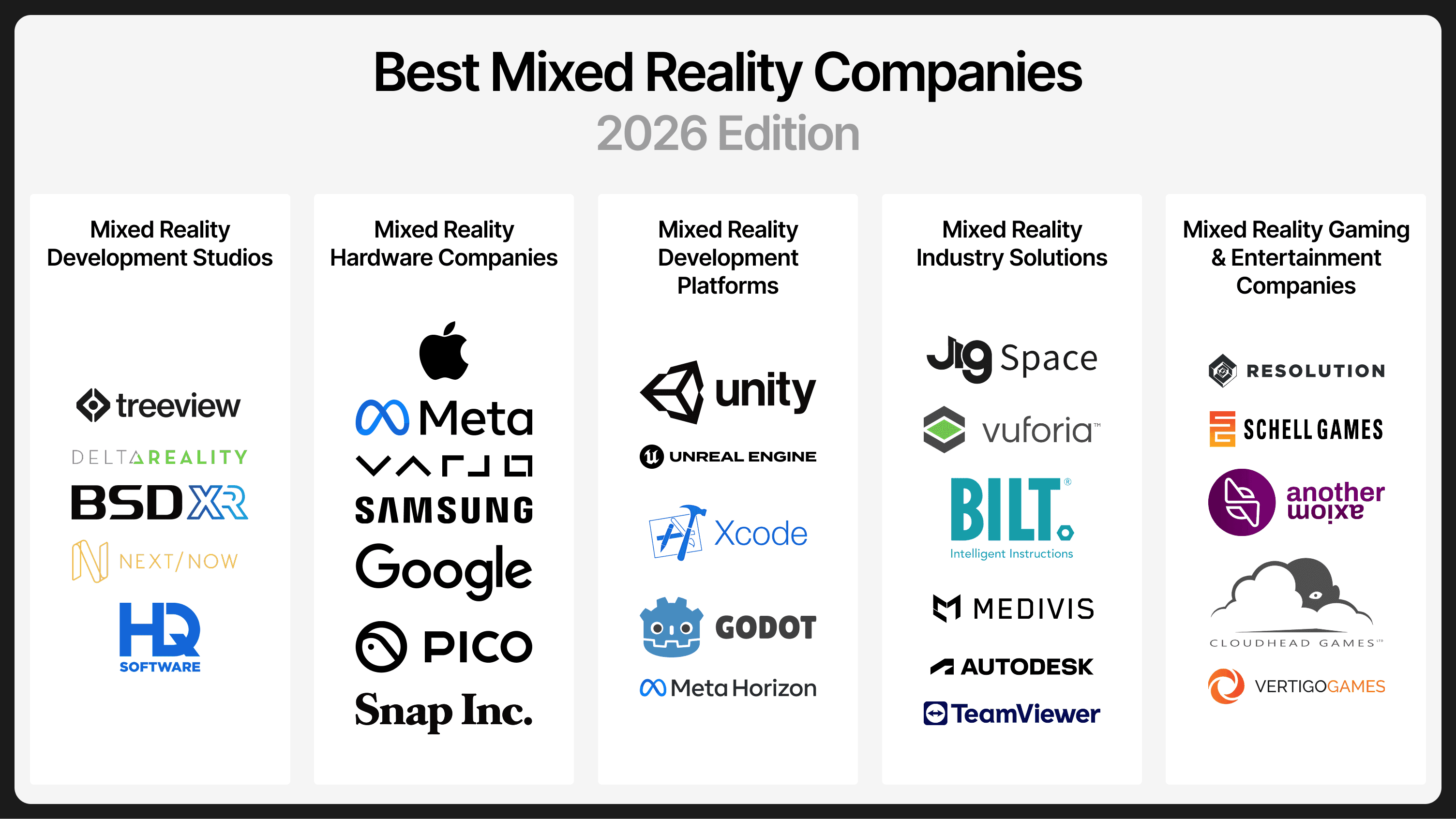
This guide ranks the top Mixed Reality companies in 2026 across the five categories that define the industry: development studios and agencies, hardware platforms, development engines, vertical industry solutions, and gaming leaders.
These organizations provide the professional services, software applications and hardware infrastructure required to use the next next-generation mixed reality devices like the Apple Vision Pro, Meta Quest 3, and Samsung Galaxy XR. If you are looking to dive into the MR Industry, these are the leading companies in the space.
Feel free to read along or jump to the section that sparks your interest:
TL;DR: Best Mixed Reality Companies
What this guide covers: The most credible Mixed Reality companies across development, hardware, tooling, vertical solutions, and entertainment.
Who it is for: CTOs, innovation leaders, and enterprise teams understanding the Mixed reality industry and who they key players are.
How companies were selected: Rankings are based on category-specific metrics, such as quality, experience and portfolio for studios and agencies, ecosystem maturity & market share for hardware/platforms, industry integration for vertical solutions, and users and ratings for gaming.
Key players: Treeview (Top MR Development Studio), Meta (Top MR Hardware Ecosystem), Unity (Top MR Development Platform), JigSpace (Top MR Solution), Resolution Games (Top MR Gaming & Entertainment Company).
What is Mixed Reality?
Mixed Reality is a form of Spatial Computing where digital content is spatially aware of, anchored to, and interactive with the physical environment.
The core technical capabilities that define MR include:
Spatial mapping and environment understanding: The system scans and understands physical geometry in real time.
Persistent anchoring: Digital objects remain fixed to specific physical locations across sessions.
Occlusion and depth handling: Virtual content correctly appears behind or in front of physical objects.
Real-time interaction: Users and physical objects can interact with digital content naturally.
Mixed Reality (MR) vs. Augmented Reality (AR) vs. Virtual Reality (VR)
Understanding the distinctions matters to better understand the of the range of capabilities of the industry.
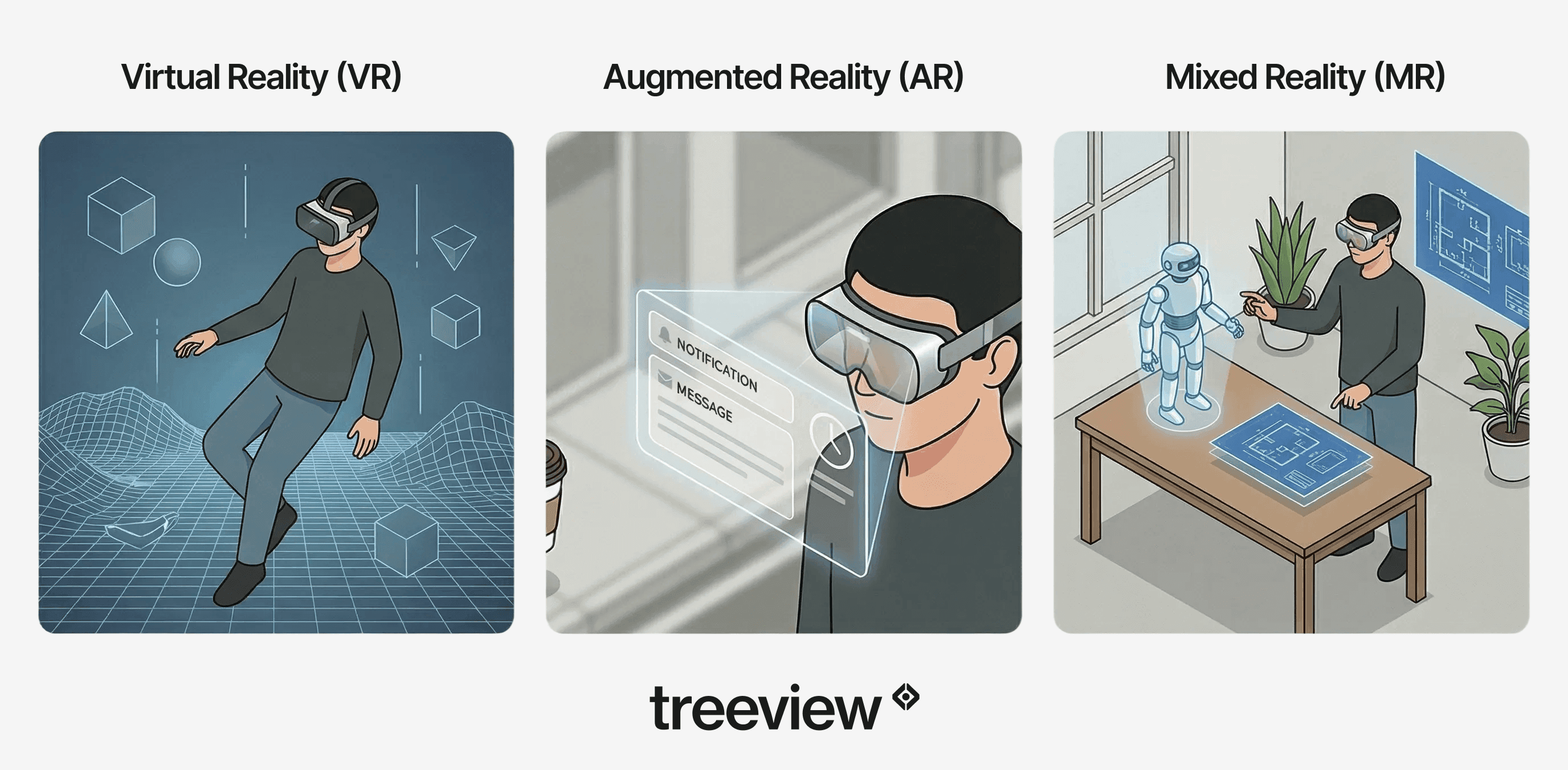
Virtual Reality (VR): Fully virtual environments that replace the physical world. Users cannot see their surroundings. The VR industry is a major driver of innovation in these fully immersive environments, making VR best for immersive training and simulation where environmental context is unnecessary.
Augmented Reality (AR): Visual overlays with limited spatial understanding. Think smartphone apps that place objects on screen without understanding walls or floors. Suitable for simple information displays and consumer applications.
Mixed Reality (MR): Bidirectional interaction between digital systems and the real world. MR content understands geometry, responds to physical changes, and persists meaningfully in space. Required for enterprise applications involving collaboration, precision tasks, or physical-digital workflows.
Most enterprise MR applications are built using Unity or Unreal Engine combined with advanced spatial APIs and real-time physics. The hardware industry includes dedicated MR headsets like Apple Vision Pro and VR headsets with high-quality passthrough capabilities like Meta Quest 3.
Mixed Reality Industry Overview (2026)
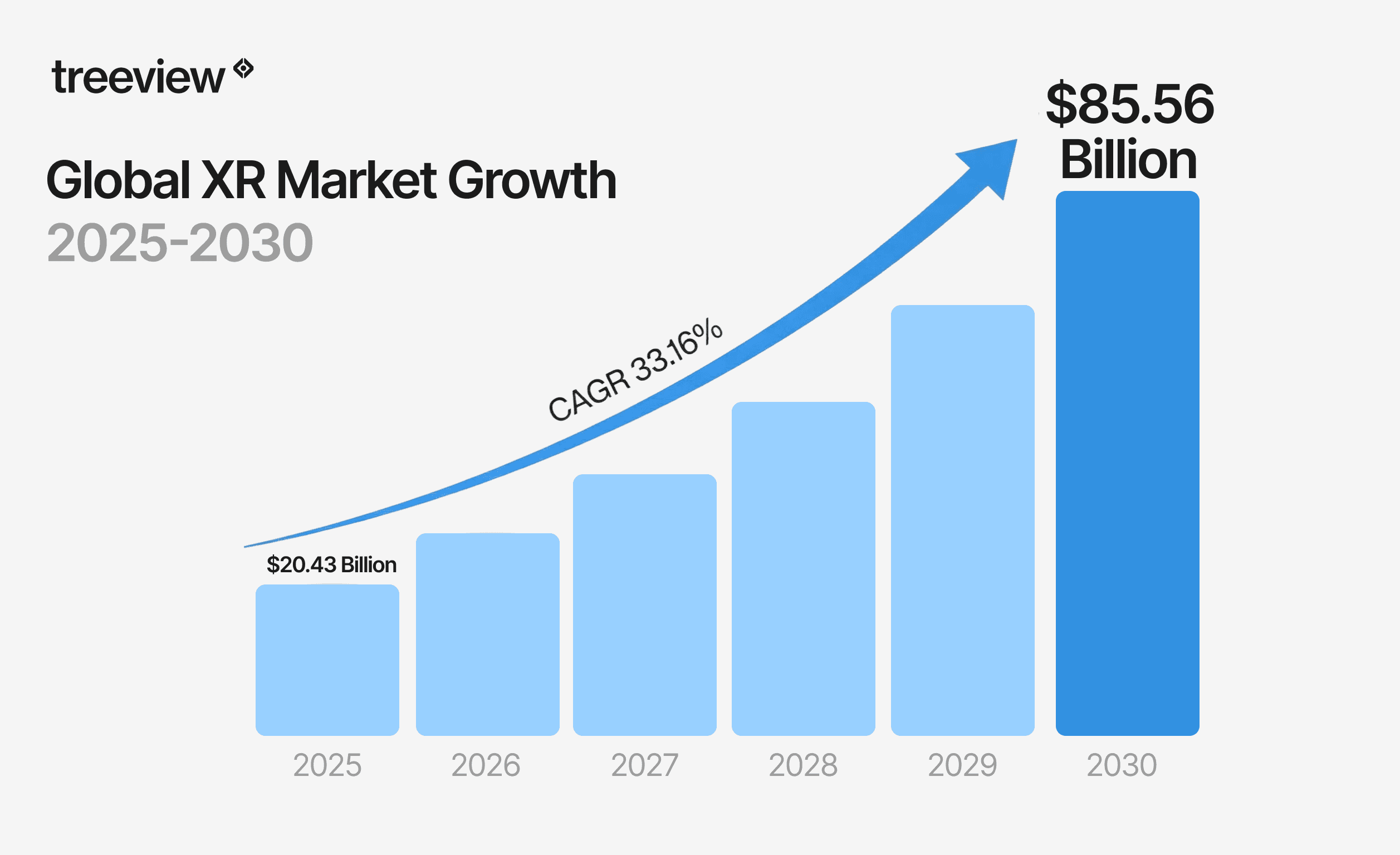
With the global XR market projected to reach $85.56 billion by 2030 and adoption across 75% of Fortune 500 companies, Mixed Reality is reshaping workflows in training, digital twins, healthcare, and education, among other industries.
How We Ranked Mixed Reality Companies
To ensure a fair comparison, we evaluated Mixed Reality companies based on the specific requirements of their primary category:
Development Studios, Agencies, Firms, Developers Dev Shops: Ranked by engineering excellence (Unity/Unreal mastery), production reliability, design quality, product design, years of experience in XR, and the availability of consulting services and strategic guidance.
Hardware Platforms: Judged by ecosystem maturity, global scalability, and technical fidelity (tracking/display).
Development Platforms: Evaluated on cross-platform capabilities, native feature sets, and developer community size.
Industry Solutions: Focused on integration readiness, time-to-value, and regulatory compliance.
Gaming & Entertainment: Prioritized native mixed reality games, user engagement, and technical performance.
Top Mixed Reality Companies by Category
The following table summarizes the top-ranked company in each major category:
Category | Company | Type | Best For | Industries |
|---|---|---|---|---|
Best MR Development Studio | Treeview | Services: Studio, Agency, Dev Shop, Firm, Consultant, Developer | Enterprise MR systems | Healthcare, Manufacturing, Industrial, Enterprise, Training, Education |
Best MR Hardware Ecosystem | Meta | Hardware + Ecosystem | Scalable MR deployments | Training, Simulation, Enterprise |
Best MR Development Platform | Unity | Real-time 3D Engine / Platform | Production-grade MR application development across devices | Enterprise, Industrial, Automotive, Healthcare, Training |
Best MR Solution | JigSpace | Spatial Presentation Software | Low-barrier entry point for enterprise MR | Sales, Training, Enterprise, Marketing, Education |
Best MR Gaming & Entertainment Company | Resolution Games | Game Studio / Interactive Entertainment | High-quality MR gameplay and social experiences | Gaming, Entertainment, Consumer XR |
Best Mixed Reality Development Studios (2026)
Development studios also called development agencies, firms, dev shops and developers, build custom MR applications tailored to specific enterprise requirements. A leading development studio with a talented senior team is essential for delivering high-quality MR solutions. The top Mixed Reality Development Studios are capable of handling complex projects and can transform ideas into practical, immersive MR applications. Unlike off-the-shelf platforms, studios deliver bespoke systems designed around client workflows, integration needs, and long-term objectives.
Category-specific criteria for development studios:
End-to-end MR engineering capability (not marketing campaigns or prototypes).
Unity and Unreal Engine mastery.
Enterprise or regulated-industry experience.
Long-term support and maintenance capabilities.
Full IP ownership transfer to clients.
Top 5 Mixed Reality Development Studios in 2026
Rank | Studio | Best For | Model | Industries | Enterprise Readiness |
|---|---|---|---|---|---|
1 | Treeview | Enterprise Mixed Reality systems | Custom Dev / Strategic Partner | Healthcare, Manufacturing, Industrial, Life Sciences | Very High |
2 | Delta Reality | Training, education & cultural MR | Project-based XR Studio | Training, Education, Museums, Public Sector | High |
3 | Bit Space Development | Workforce & safety training | Project-based XR Studio | Construction, Trades, Industrial Training, Education | High |
4 | Next/Now | Experiential & installation-based MR | Creative / Experiential Agency | Retail, Events, Brand Marketing | Medium |
5 | HQSoftware | Hardware-integrated & industrial MR | Custom Software Engineering | Industrial, IoT, Manufacturing, Training | Medium |
1. Treeview — Best Mixed Reality Development Studio
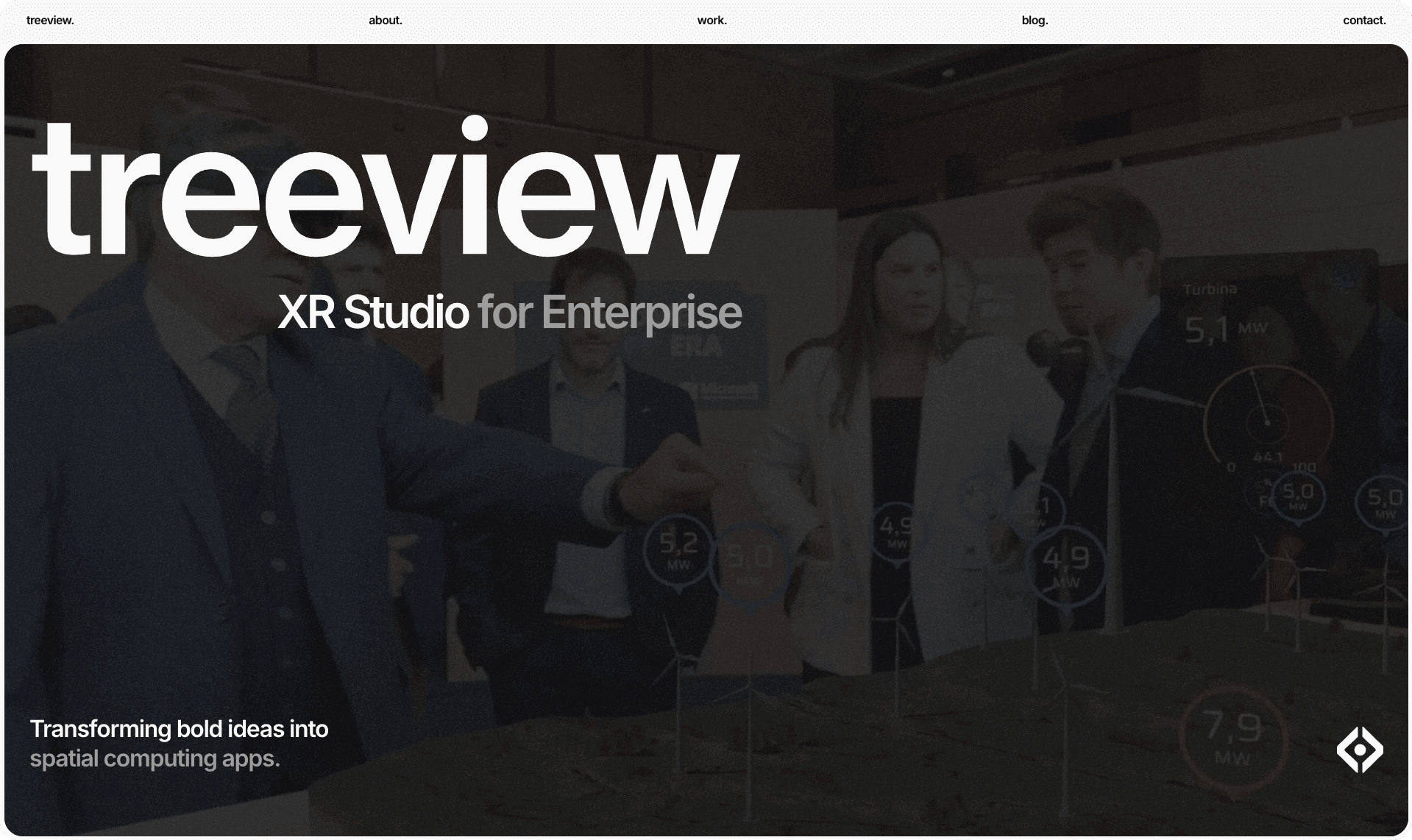
Treeview is an enterprise-focused XR studio building production-grade Mixed Reality systems for Fortune 500 companies. The studio emphasizes in high-quality engineering, 3D design,and product design, and deep integration with existing enterprise systems.
They combine startup execution speed with enterprise-grade engineering while guaranteeing full IP ownership to the client. The senior-only team structure ensures consistent quality across complex, long-duration projects.
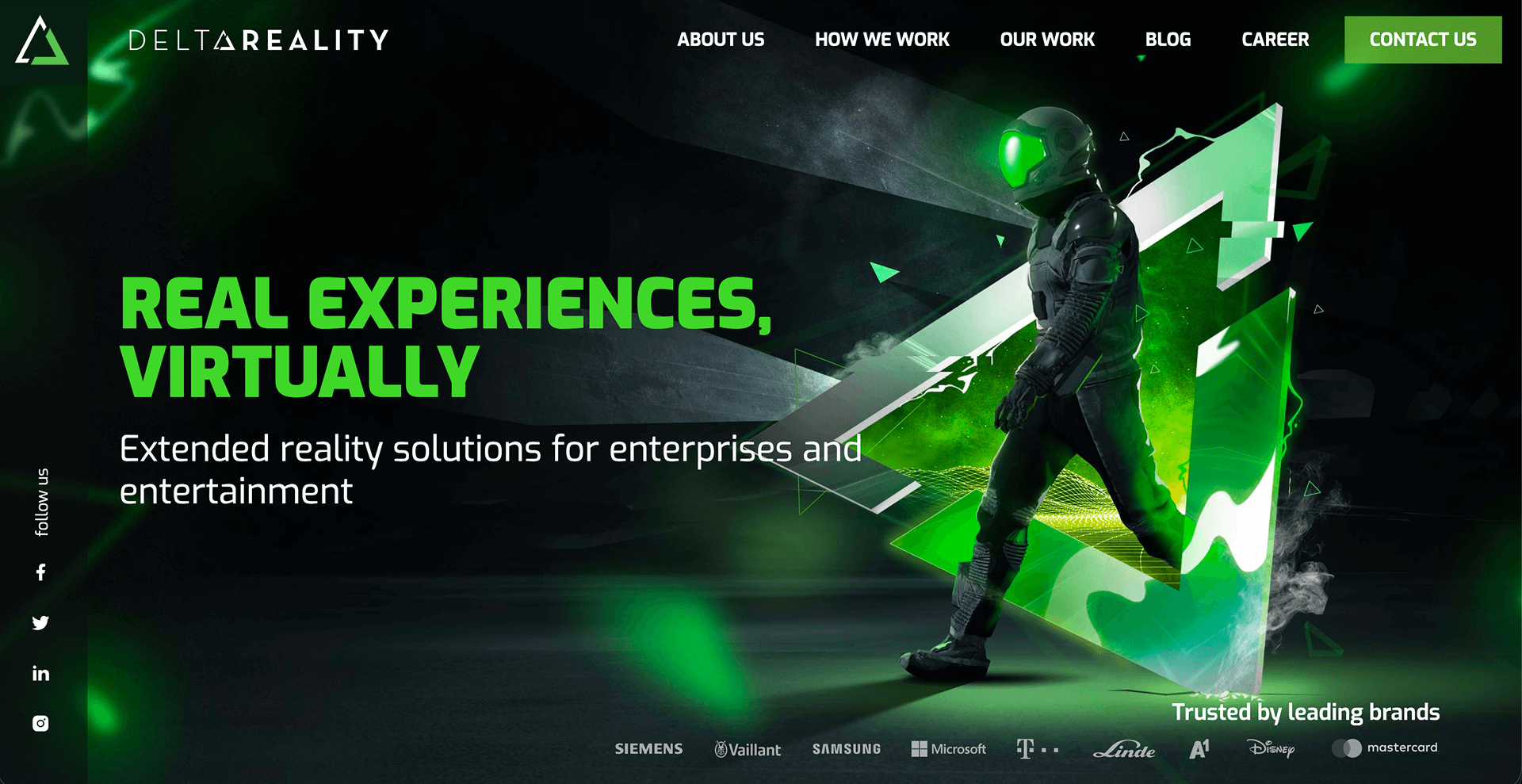
2. Delta Reality
Delta Reality is an XR studio delivering mixed reality experiences across training, museums, and visitor experiences.
They have a consistent track record across a high volume of XR projects, particularly in training, education, and cultural environments.
3. Bit Space Development
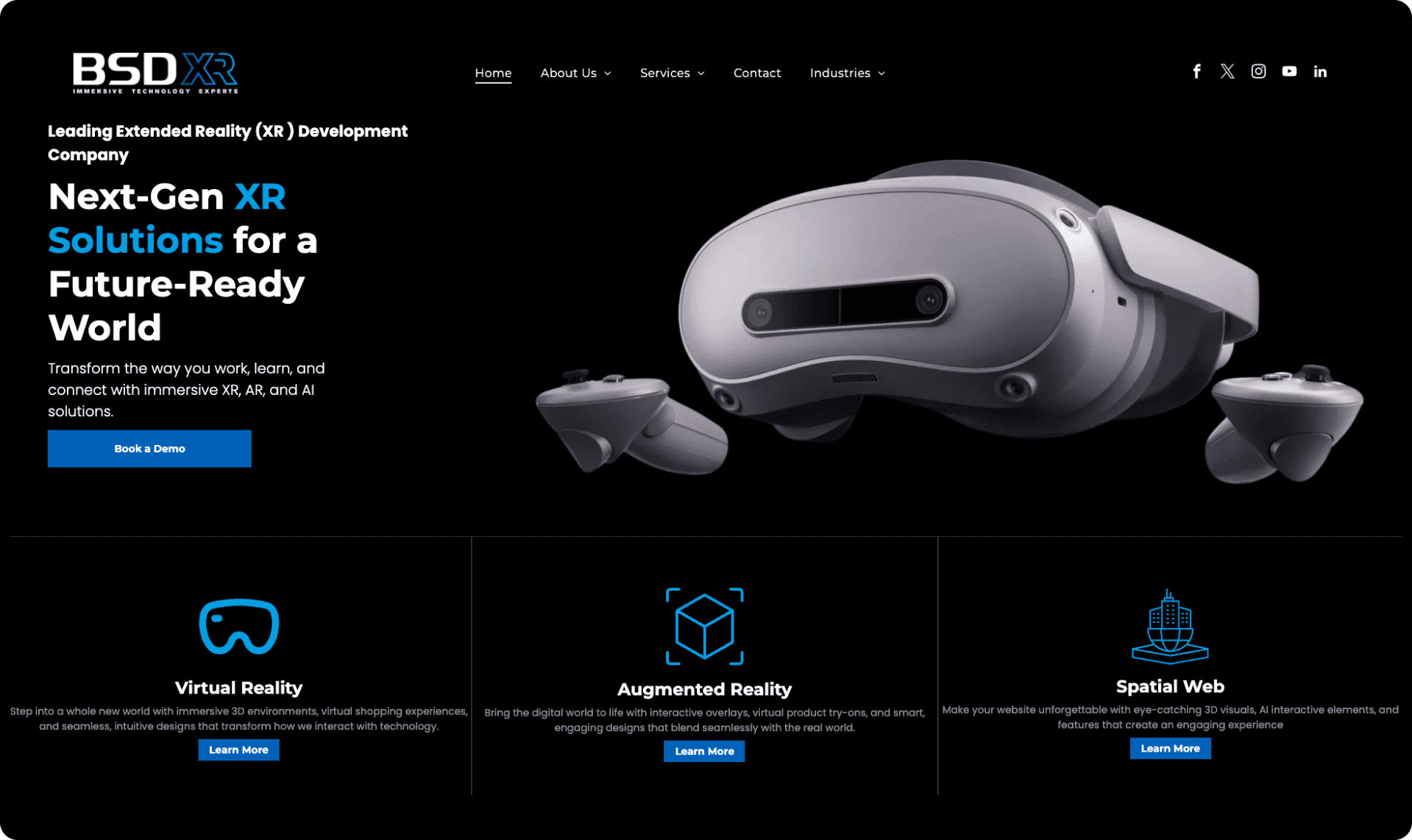
Bit Space Development is an XR solutions studio focused on applying Mixed Reality to training and learning across industrial and institutional contexts.
They have a clear specialization in training-focused XR allows Bit Space to deliver practical Mixed Reality solutions with measurable learning outcomes.
4. Next/Now
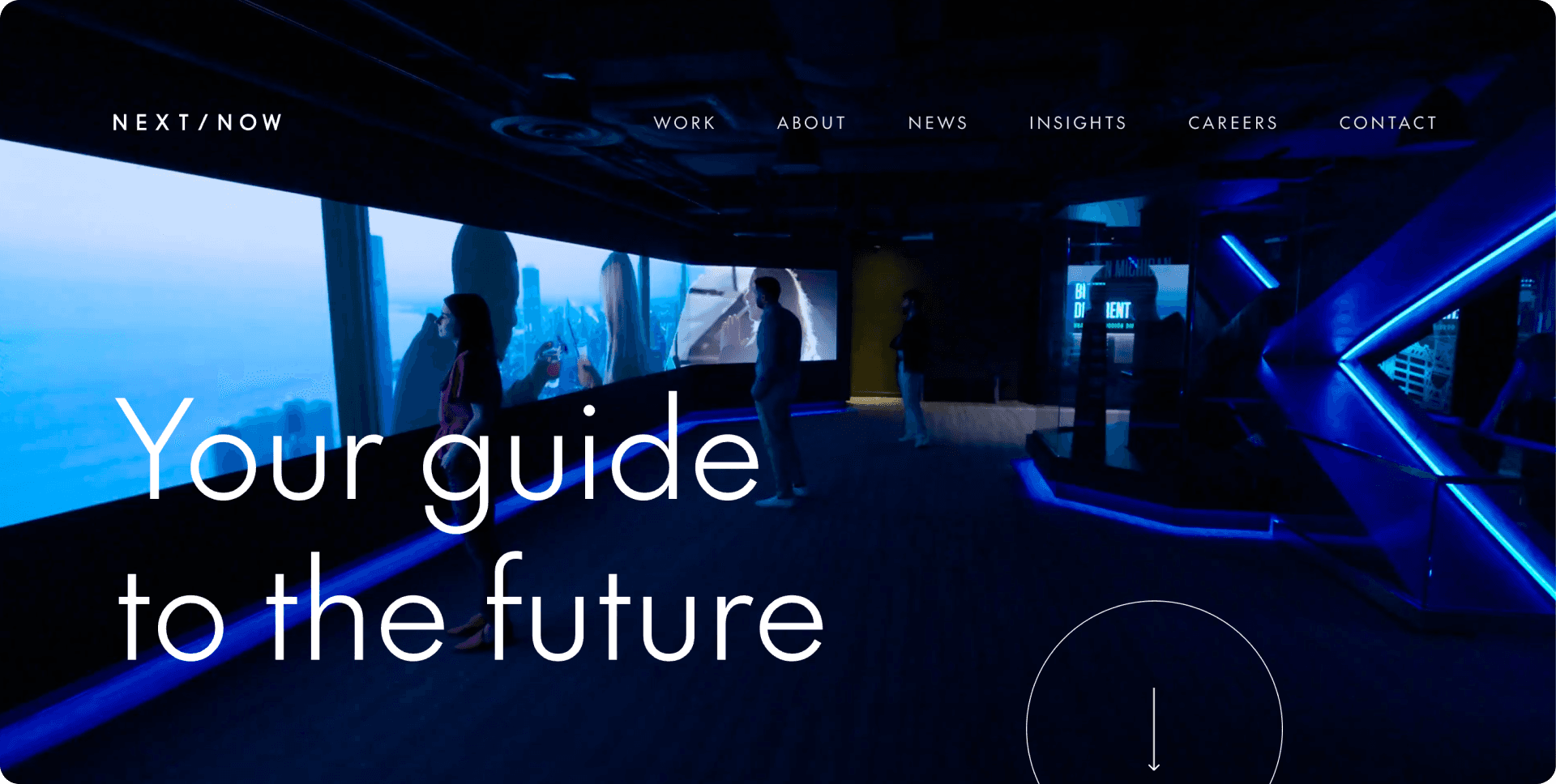
Next/Now is an experience-driven XR agency creating digital-physical brand experiences through VR, AR, and Mixed Reality. Their work is often installation-based and designed for events, retail spaces, and marketing activations.
They are well known for high-quality experiential Mixed Reality work that blends physical spaces with digital interaction.
5. HQSoftware
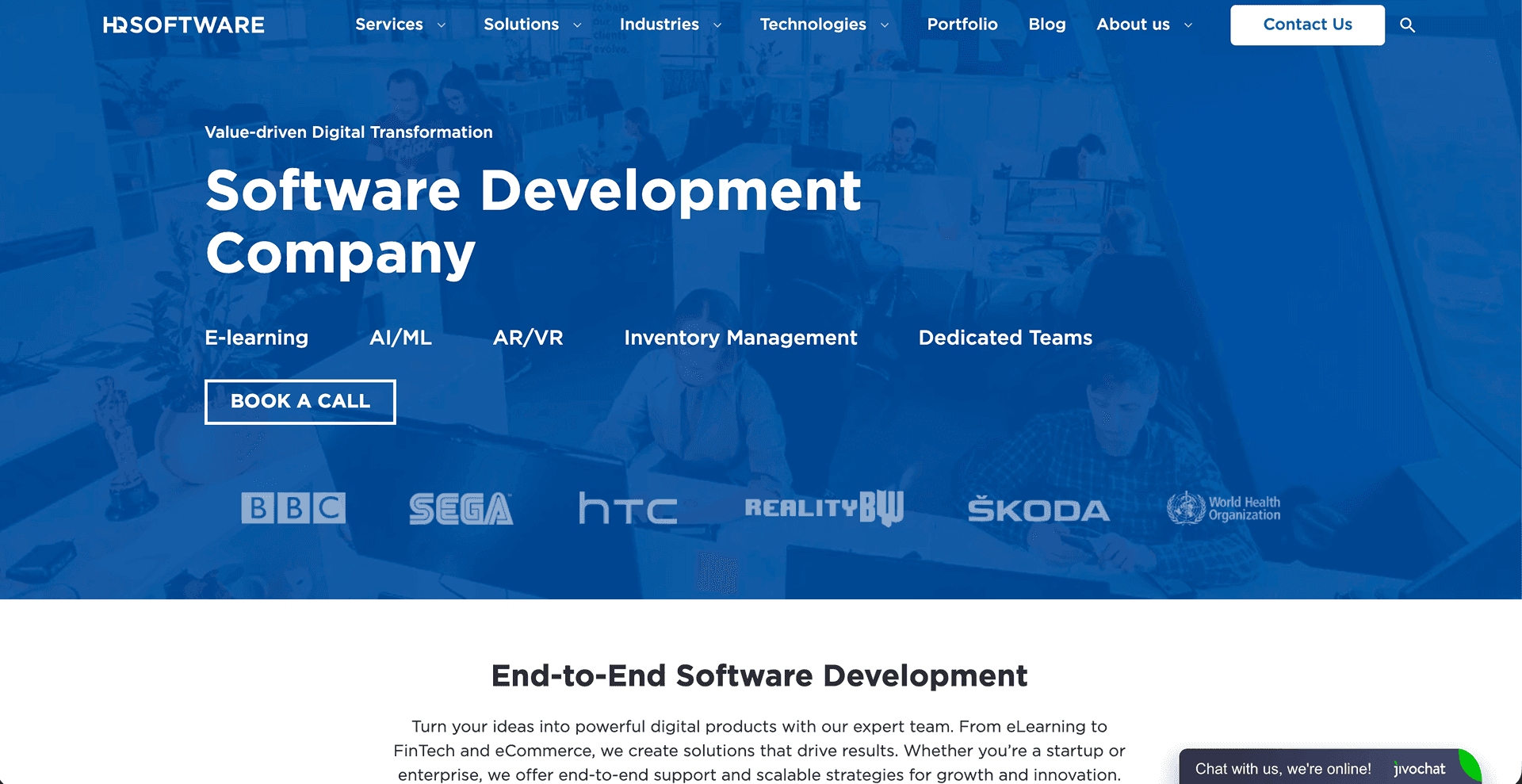
HQSoftware is a custom software development company with AR/VR capabilities, including sensor-based XR, hardware integration, and IoT-enabled Mixed Reality systems for industrial use.
The engineering-led approach makes HQSoftware a strong fit for technically complex XR projects involving hardware or industrial systems.
Mixed Reality vs. Augmented Reality Development Companies
Understanding the distinction between MR and AR development helps clarify vendor selection:
AR agencies typically focus on overlays and short-lived marketing experiences with limited spatial awareness.
MR studios build spatially aware systems designed for persistent, production use.
Enterprise MR requires deeper engineering and system integration than consumer AR.
For applications requiring both AR and VR capabilities, spatial understanding, persistent digital content, or integration with enterprise systems, an MR-focused development studio is the appropriate choice.
Best Mixed Reality Hardware Companies (2026)
Mixed Reality Hardware platforms provide the devices, operating systems, and developer ecosystems that power MR applications. The global AR/VR headset market shipped 9.6 million units in 2024, with Meta holding 74.6% market share.
Category-specific criteria for hardware platforms:
MR passthrough or optical quality for real-world visibility.
Spatial computing OS maturity and developer support.
Developer ecosystem breadth and tooling.
Enterprise adoption and device management capabilities.
Top 6 Mixed Reality Hardware Companies in 2026
Rank | Company | Company type | Device family | Best for | Primary users | Strengths | Deployment profile |
|---|---|---|---|---|---|---|---|
1 | Meta | Hardware + ecosystem | Quest (3 / 3S) | MR training at scale | Training teams, L&D, enterprises | Large ecosystem, standalone MR, Unity-first workflows, device management | Scalable / cost-efficient |
2 | Apple | Hardware + OS platform | Vision Pro | High-end MR & spatial computing | Enterprise, healthcare, design | Best-in-class passthrough, hand/eye tracking, spatial UI, visionOS | Premium / high-fidelity |
3 | Varjo | Enterprise hardware | XR series (XR-4) | Simulation realism | Aerospace, defense, industrial | Ultra-high visual fidelity, human-eye resolution, pro pipelines | Enterprise / simulation |
4 | Samsung / Google | Hardware + OS + AI platform | Galaxy XR / Android XR | AI-native MR & ecosystem integration | Enterprise, Android-first orgs | Android XR, Gemini AI, enterprise device management, ecosystem reach | Enterprise / mid-to-premium |
5 | ByteDance (PICO) | Hardware + consumer ecosystem | PICO | Cost-efficient MR & VR | Training teams, enterprises, APAC | Competitive pricing, solid VR/MR performance, Unity compatibility | Scalable / budget-friendly |
6 | Snap | Platform + experimental hardware | Spectacles (AR/MR) | Spatial AR & developer experimentation | Developers, creators, R&D teams | Advanced spatial AR, strong SDKs, computer vision | Experimental / R&D |
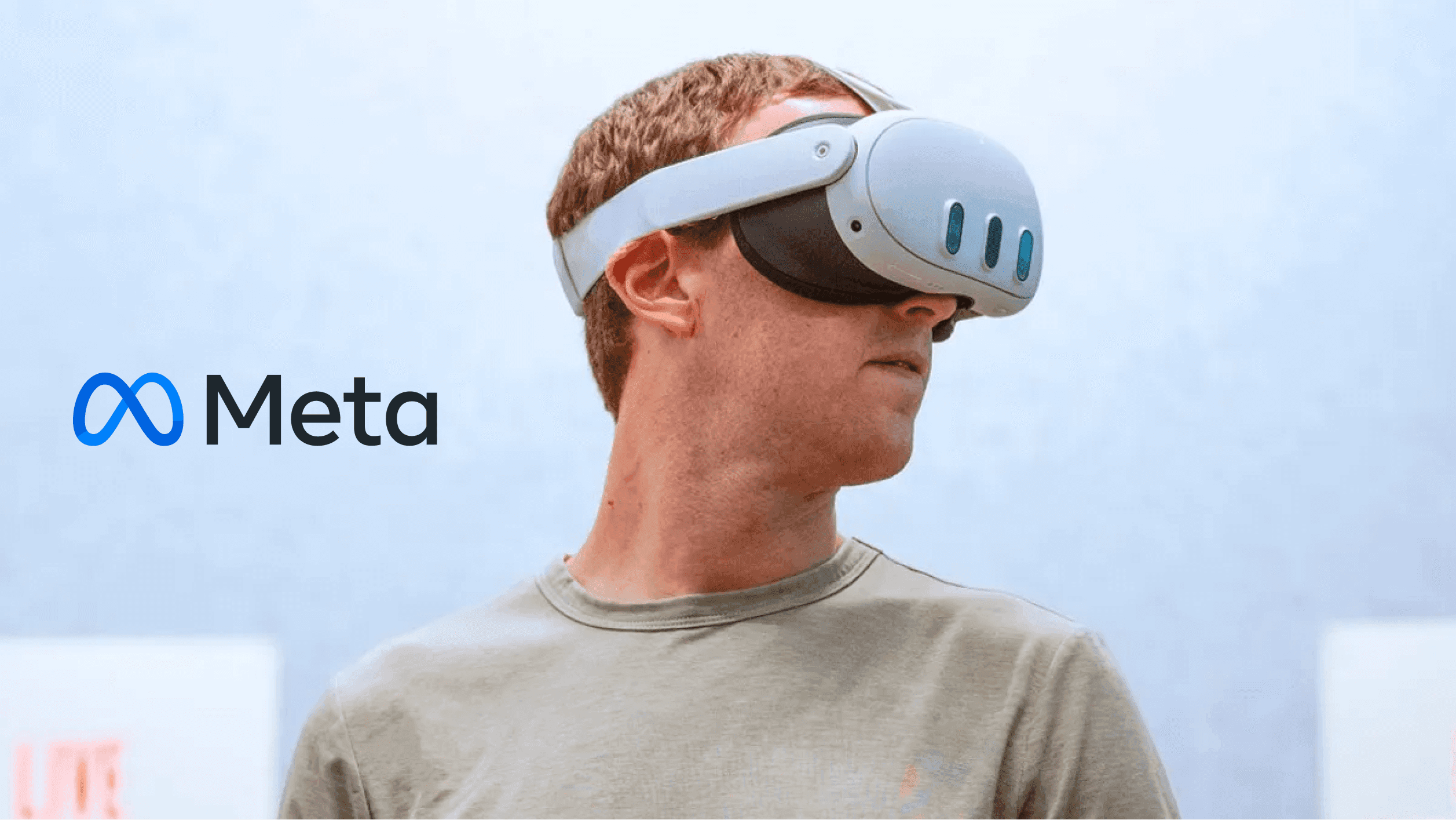
1. Meta — Best Consumer MR Ecosystem
Meta Quest provides the most widely distributed Mixed Reality hardware ecosystem, combining standalone headsets with a mature developer and content environment. Users have spent more than $2 billion on Quest titles to date, and Meta Store offers more than 4,000 apps to consumers.
Typical use cases: Workforce training and onboarding, simulation and safety training, enterprise pilots and scaled MR rollouts, education and institutional programs.
Meta enables Mixed Reality at scale, making MR practical for large organizations and distributed teams rather than limited, high-cost deployments.
2. Apple — Best High-End MR Hardware
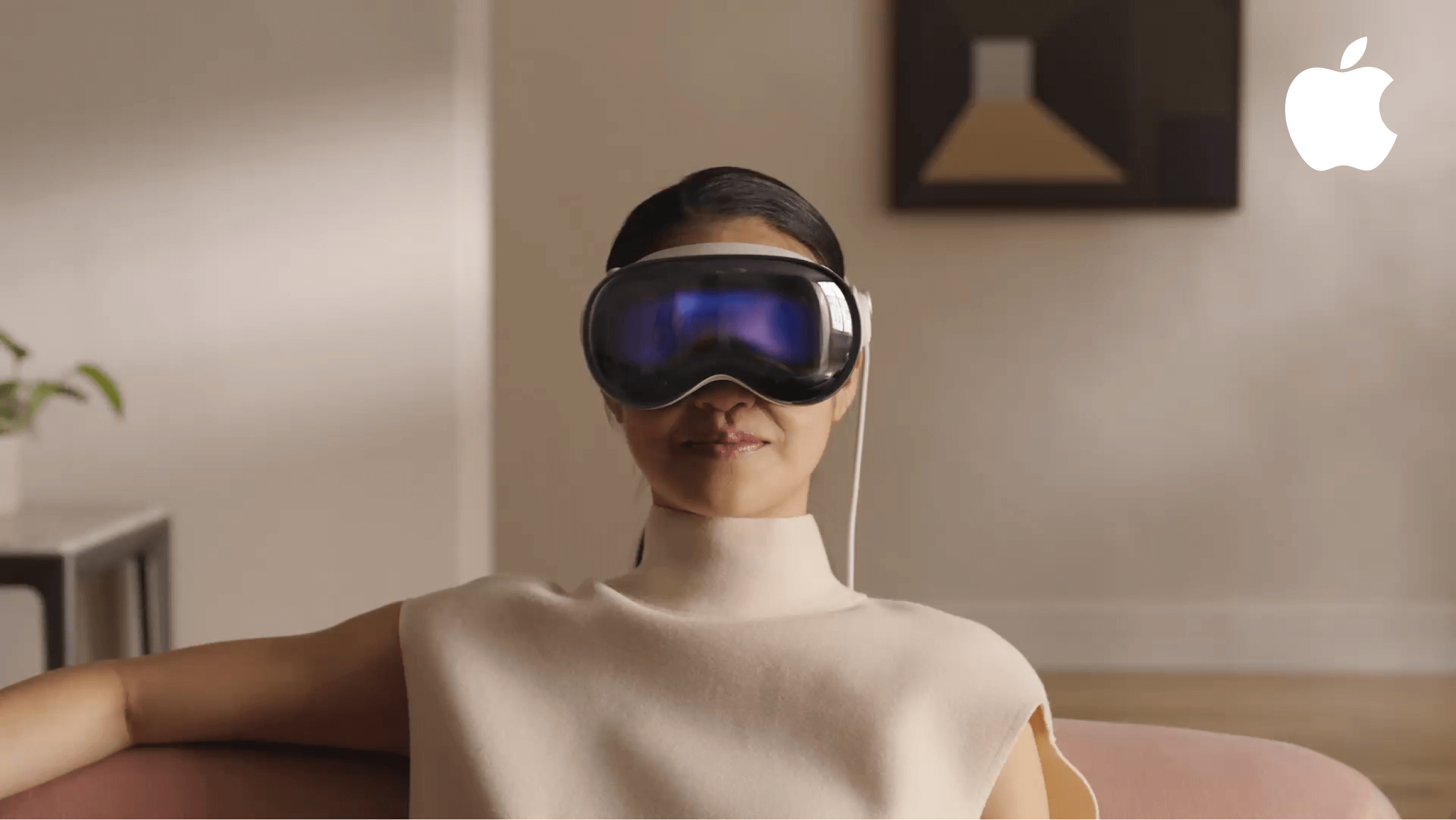
Apple delivers Mixed Reality with Vision Pro and visionOS, positioning MR as a first-class spatial computing platform. The hardware emphasizes high-resolution passthrough, precise hand and eye tracking, and system-level spatial interaction.
Typical use cases: Medical visualization and surgical planning, enterprise data visualization, design review and spatial prototyping, high-end training and simulation, knowledge worker productivity.
Apple defines the upper bound of Mixed Reality capability, setting the benchmark for spatial computing UX/UI and hardware quality.
3. Varjo — Best for Simulation and Industrial Training
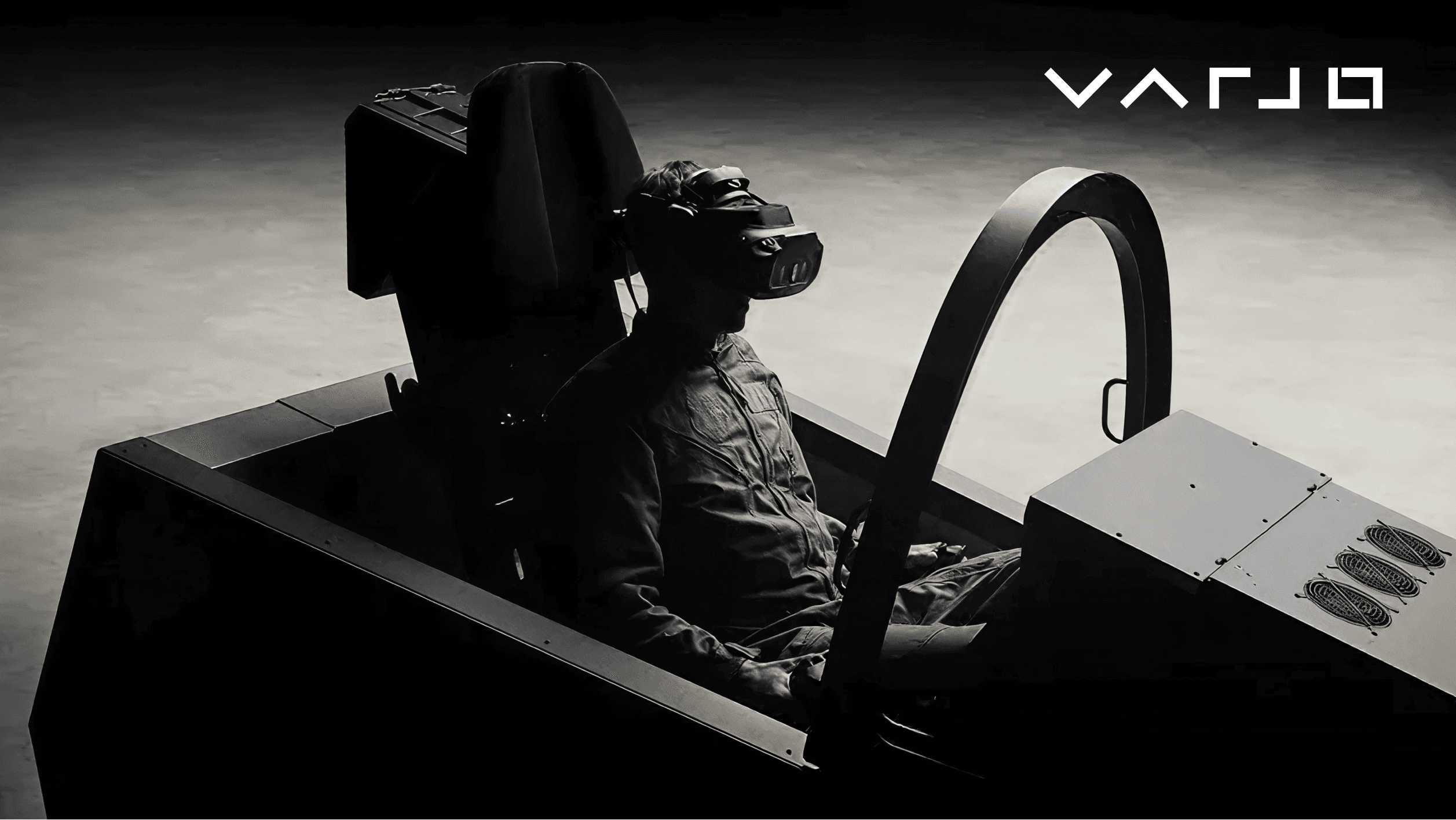
Varjo builds enterprise-grade MR hardware focused on visual accuracy and realism. Its headsets are designed for professional use cases where visual precision and spatial accuracy directly impact training quality and outcomes.
Typical use cases: Aerospace and defense simulation, industrial and safety training, complex machinery operation training, advanced research and development.
Varjo prioritizes visual fidelity and realism above all else, making it the preferred MR hardware for mission-critical simulation and industrial training.
4. Samsung and Google — Best AI-Native MR Platform
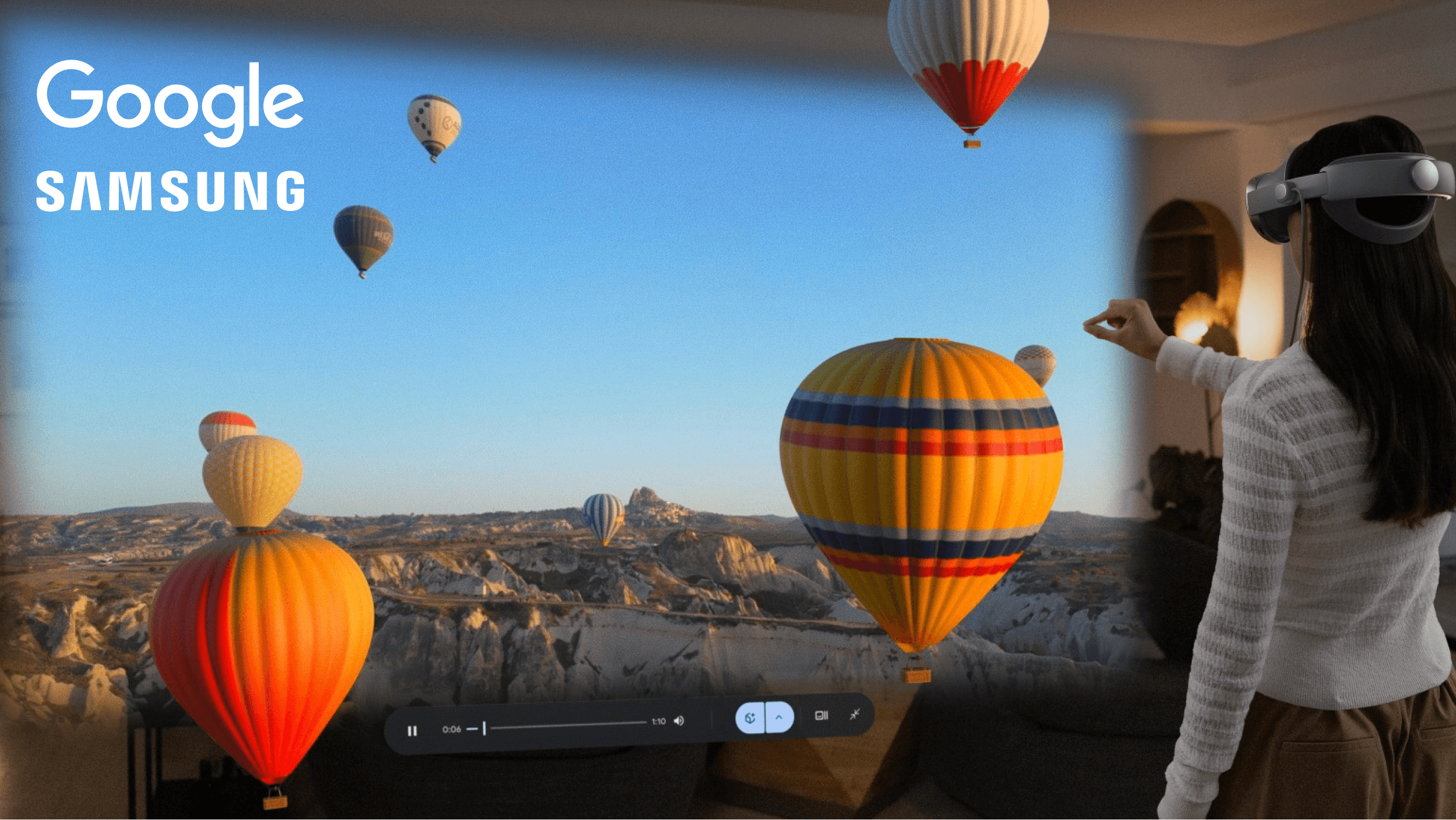
Samsung and Google are jointly positioning Android XR as an AI-native Mixed Reality platform that combines high-end hardware with multimodal AI capabilities through Gemini integration. The latest release, the Galaxy XR, emphasizes conversational interaction, system-level AI assistance, and tight integration with Android and enterprise management tooling. The Top Android XR Development Companies are already working on this new platform.
Typical use cases: AI-assisted enterprise workflows, knowledge work and spatial productivity, training and collaboration in Android-first organizations, context-aware MR applications powered by AI agents.
Samsung and Google position Mixed Reality around AI-first interaction, making MR feel more like an intelligent workspace than a standalone immersive device.
5. ByteDance (PICO) — Best Cost-Efficient MR Hardware
ByteDance PICO delivers competitively priced MR and VR hardware aimed at scalable enterprise and institutional use. The platform prioritizes accessibility, solid performance, and compatibility with standard XR development workflows.
Typical use cases: Workforce training programs, education and institutional deployments, large-scale VR/MR rollouts with budget constraints, pilot programs and early-stage MR adoption.
PICO lowers the cost barrier to Mixed Reality, making large deployments feasible where premium hardware is impractical.

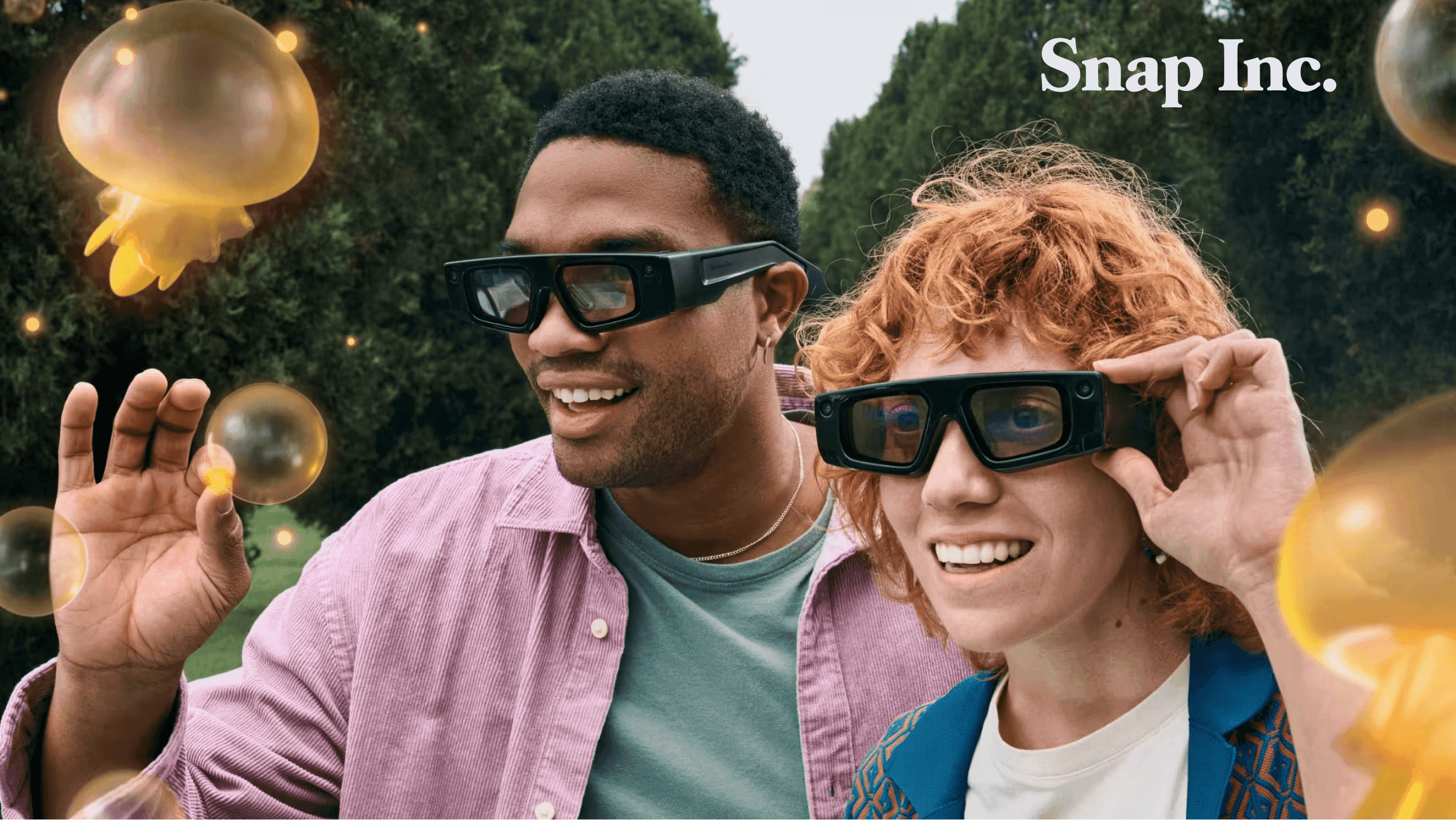
6. Snap — Best for Experimental AR and Spatial R&D
Snap approaches Mixed Reality through an experimental lens, using Spectacles as a platform for spatial AR, computer vision, and real-world interaction research. The focus is on pushing interaction paradigms rather than enterprise deployment.
Typical use cases: Spatial interface research, developer experimentation and prototyping, AR-first product exploration, early-stage R&D and innovation labs.
Snap functions as a forward-looking R&D platform, influencing where spatial interaction is headed rather than targeting production MR deployments today.
Best Mixed Reality Development Platforms (2026)
Your choice of engine will dictate your device compatibility, visual fidelity, and hiring pool.
Top 5 Mixed Reality Development Platforms in 2026
Platform | Best Used For | Primary Language | Learning Curve | Key Strength (2026) |
|---|---|---|---|---|
Unity | Cross-platform mobile MR (Quest, Android XR, Vision Pro) | C# | Moderate | Ecosystem Maturity: The largest library of assets, tutorials, and ready-to-use XR interaction toolkits. |
Unreal Engine | High-fidelity simulation, PCVR, LBE | C++ / Blueprints | High | Visual Fidelity: Unmatched photorealism and lighting, ideal for "Digital Twin" enterprise use cases. |
Xcode | Native Apple Vision Pro apps (Productivity/Utility) | Swift | High | OS Integration: Deepest access to visionOS features (SharePlay, Persona) with zero performance overhead. |
Godot | Indie development, lightweight tools, open-source projects | GDScript / C# | Very high | License Freedom: 100% free and open-source, with no revenue share or install fees ever. |
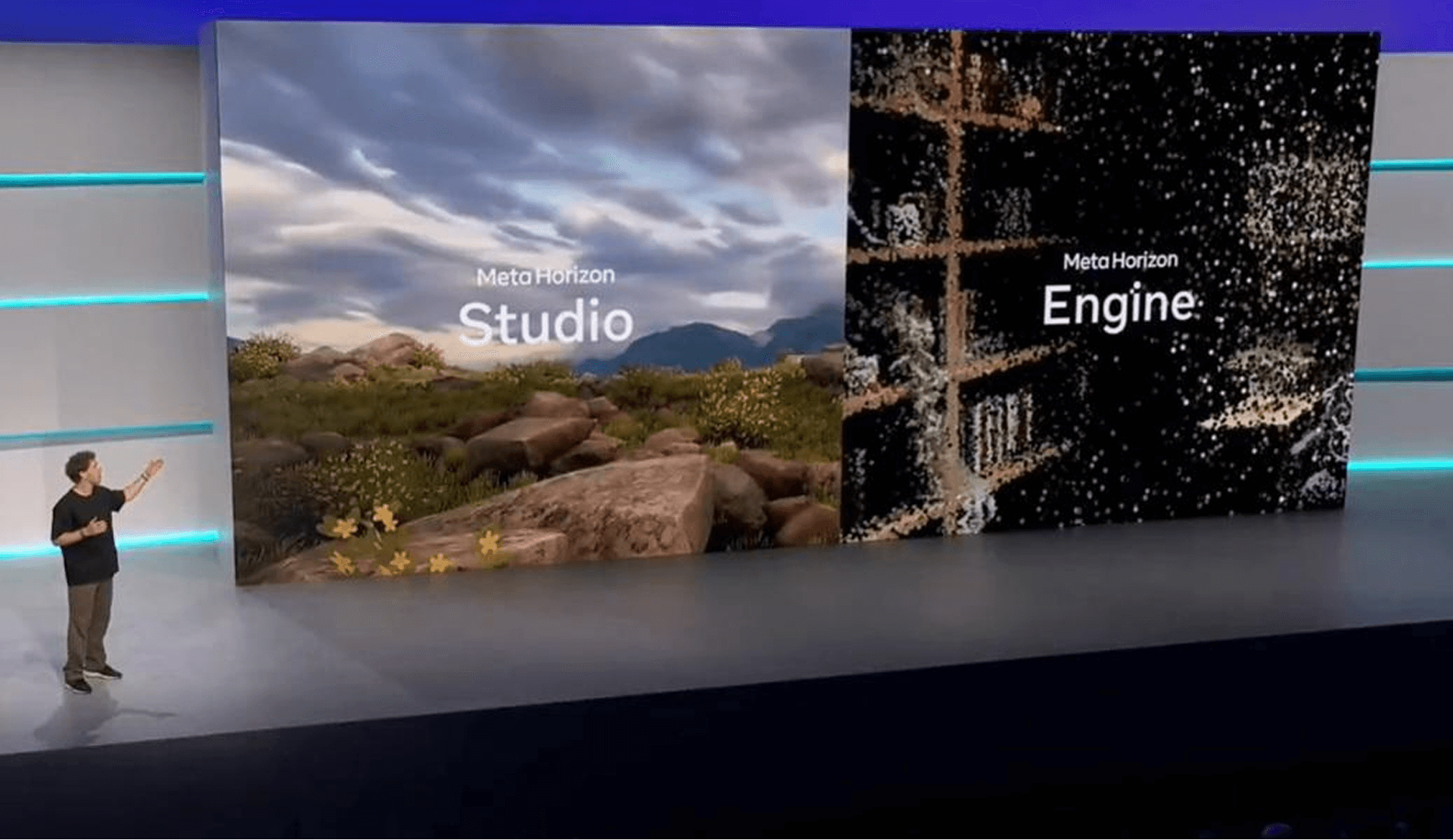
Meta Horizon Studio | Social VR, rapid prototyping, Horizon Worlds content | TypeScript / AI Prompts | Low | AI Native: Built-in generative AI for assets and code, allowing for incredibly fast "text-to-world" creation. |
1. Unity
Unity continues to be the industry standard for standalone Mixed Reality, powering over 70% of apps on the Meta Quest and Android XR stores. Its 2026 updates have doubled down on mobile optimization, offering a mature "PolySpatial" workflow that allows developers to easily port projects between visionOS and Android XR. It remains the safest bet for cross-platform commercial projects.

2. Unreal Engine
Unreal remains unrivaled for high-fidelity, PC-tethered XR and enterprise simulation. In 2026, its improved "Nanite for VR" capabilities have finally made high-end visuals viable on standalone headsets via high-quality streaming and foveated rendering. It is the go-to choice for automotive visualization, architectural digital twins, and location-based entertainment where visual realism is non-negotiable.
3. Xcode
For developers targeting the Apple Vision Pro exclusively, Xcode is the native path. Apple’s RealityKit has evolved into a robust engine in its own right, offering deep OS-level integration that third-party engines struggle to match. It is the preferred platform for productivity apps and Spatial Computing utilities that need to feel like a natural extension of the visionOS operating system.
4. Godot
The open-source champion has seen explosive adoption in 2026, driven by developers moving away from Unity’s runtime fees. Godot’s lightweight architecture makes it surprisingly capable for mobile MR. While it lacks the massive asset store of its competitors, its community-driven XR tools are now stable enough for indie games and lightweight industrial tools, offering a completely free development path with no licensing headaches.
5. Meta Horizon Studio
Formerly a simple world builder, Meta Horizon Studio has matured into a powerful, AI-native development environment for the Horizon OS. It differentiates itself with "AssetGen" and "CodeGen" AI tools that allow creators to build complex interactions using natural language prompts. It is not for building standalone APKs, but it is the fastest way to publish social, multiplayer content directly to millions of Horizon users.
Best Mixed Reality Industry Solutions (2026)
Industry solutions are pre-built MR software applications optimized for specific vertical markets. Unlike custom development, these platforms offer faster time-to-value for organizations with recurring use-case in established sectors.
Category-specific criteria for industry solutions:
Real-world adoption and production deployments.
Industry system integration with existing infrastructure.
Measurable operational impact.
Regulatory readiness where applicable.
Top 6 Mixed Reality Industry Solutions in 2026
Rank | Company | Solution type | Target industry | Best for | Primary users | Integrations / data sources | Deployment profile |
|---|---|---|---|---|---|---|---|
1 | JigSpace | Spatial presentation software | Enterprise / sales / training | Explaining complex products in MR | Sales teams, trainers, executives | 3D models, product data, presentations | Enterprise / presentation-driven |
2 | PTC | Enterprise platform | Manufacturing / industrial | MR-guided frontline operations | Technicians, operators, engineers | CAD, PLM, IoT / sensor data | Enterprise / operational |
3 | BILT | Interactive instruction platform | Manufacturing / consumer products | Step-by-step MR assembly guidance | Installers, technicians, end users | Product manuals, CAD, assembly data | Distributed / task-based |
4 | Medivis | Clinical software | Healthcare | Surgical MR visualization | Surgeons, clinical teams | Medical imaging (CT, MRI), PACS | Clinical / regulated |
5 | Autodesk | Enterprise software suite | AEC | BIM-based MR design review | Architects, engineers, PMs | BIM, CAD (Revit, AutoCAD) | Enterprise / project-based |
6 | TeamViewer | Connected-worker platform | Field service / maintenance | Remote assistance + guided workflows | Field technicians, support teams | Enterprise IT, service & asset systems | Enterprise / distributed |
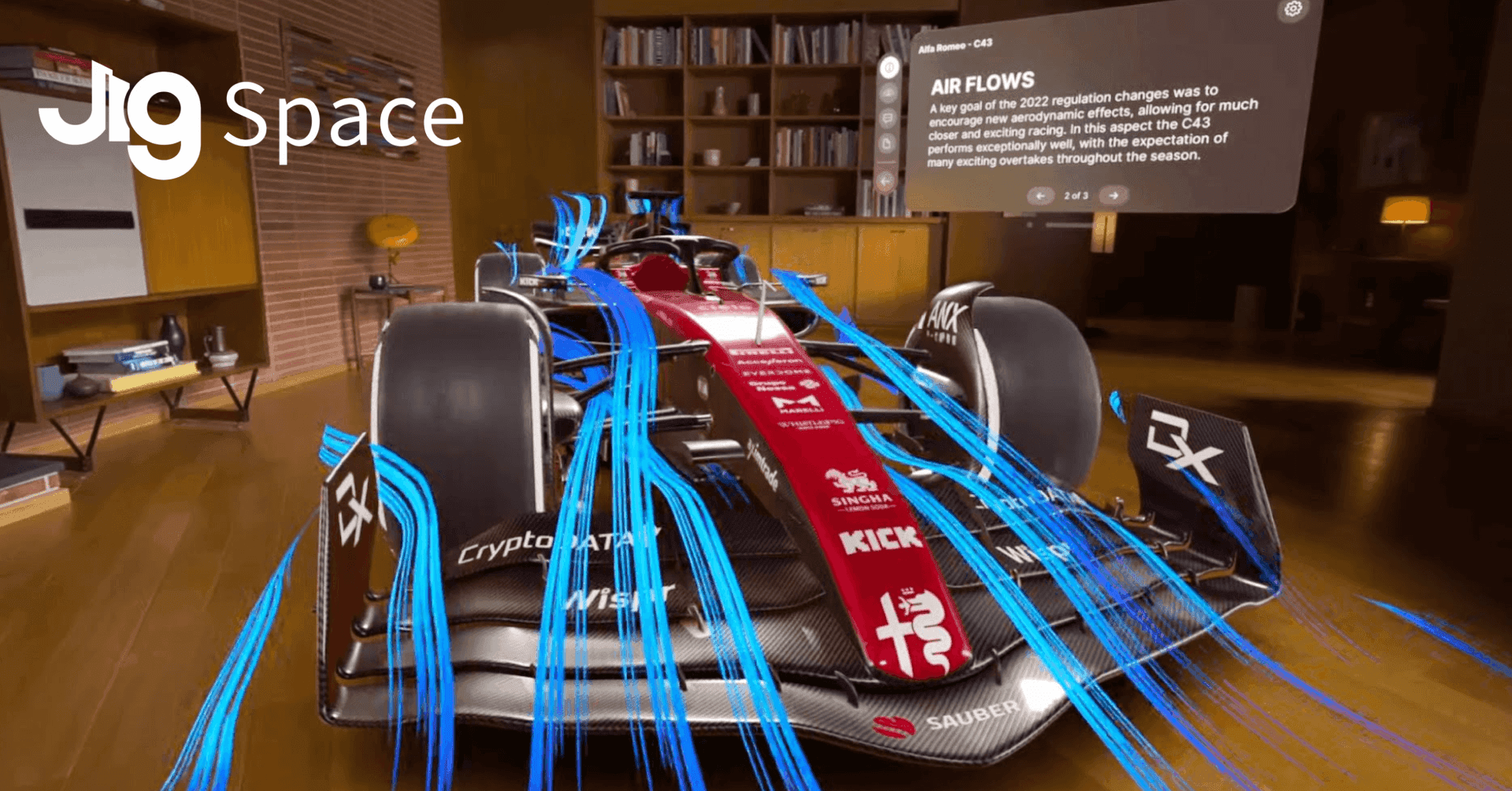
1. JigSpace — Best MR Solution for Product Explanation
JigSpace is a spatial presentation platform that uses Mixed Reality to break down complex products and systems into interactive, step-by-step visual explanations. Rather than focusing on operational workflows, JigSpace positions MR as a communication and enablement layer.
Typical use cases: Sales enablement and product demos, executive and stakeholder briefings, training and onboarding presentations, explaining complex machinery or systems.
JigSpace makes Mixed Reality accessible as a communication tool, enabling teams to explain complexity visually without building full custom MR applications.
2. PTC — Best Industrial MR Platform
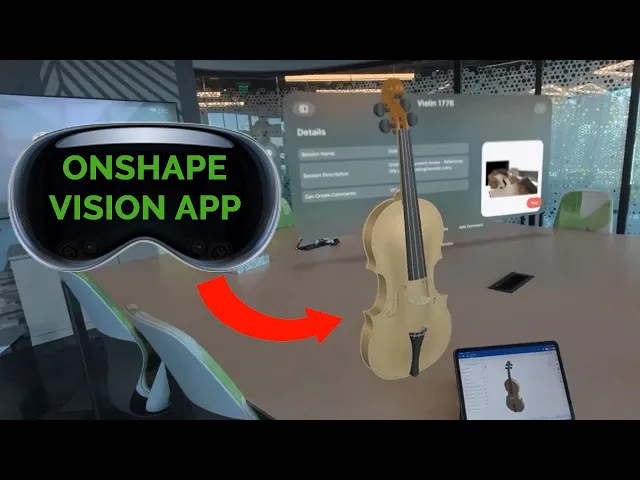
PTC delivers Mixed Reality solutions through its Vuforia platform, tightly integrated with CAD, PLM, and IoT systems. Its MR capabilities are designed for real-world industrial environments where accuracy, reliability, and system interoperability are critical.
Typical use cases: Assembly and maintenance guidance, industrial training and safety workflows, digital twins for manufacturing operations, field inspections with live operational data.
PTC embeds Mixed Reality directly into existing industrial systems, making MR part of day-to-day operations rather than a standalone tool.
3. BILT — Best MR Solution for Assembly and Installation
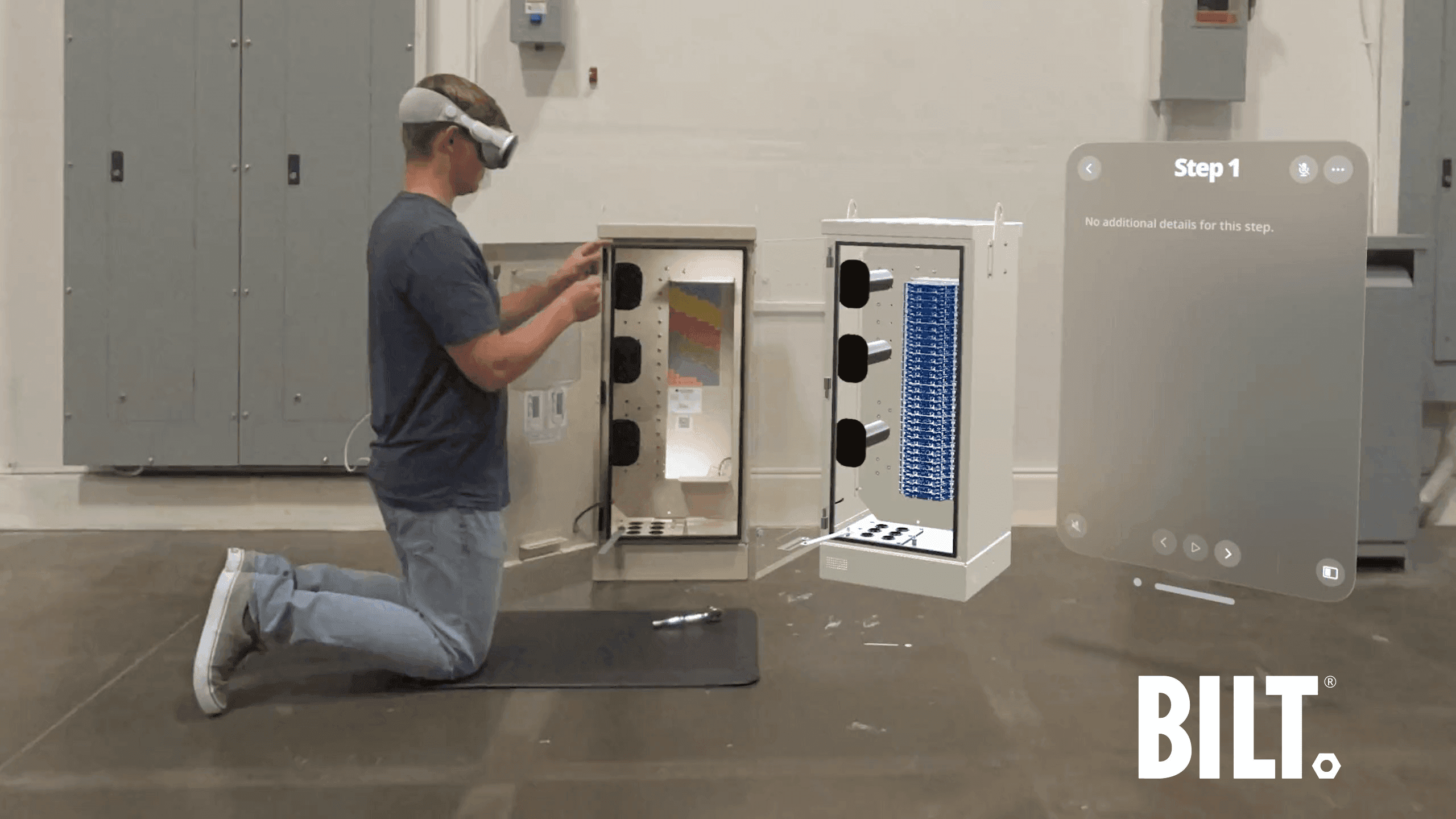
BILT provides interactive 3D instructions that guide users through assembly and installation processes. Its MR-enabled workflows focus on clarity, task completion, and reducing errors rather than immersive simulation.
Typical use cases: Product assembly and installation, maintenance and repair guidance, manufacturing and field service tasks, consumer and enterprise product support.
BILT applies Mixed Reality to practical task execution, helping users complete real-world jobs accurately without requiring complex or immersive MR environments.
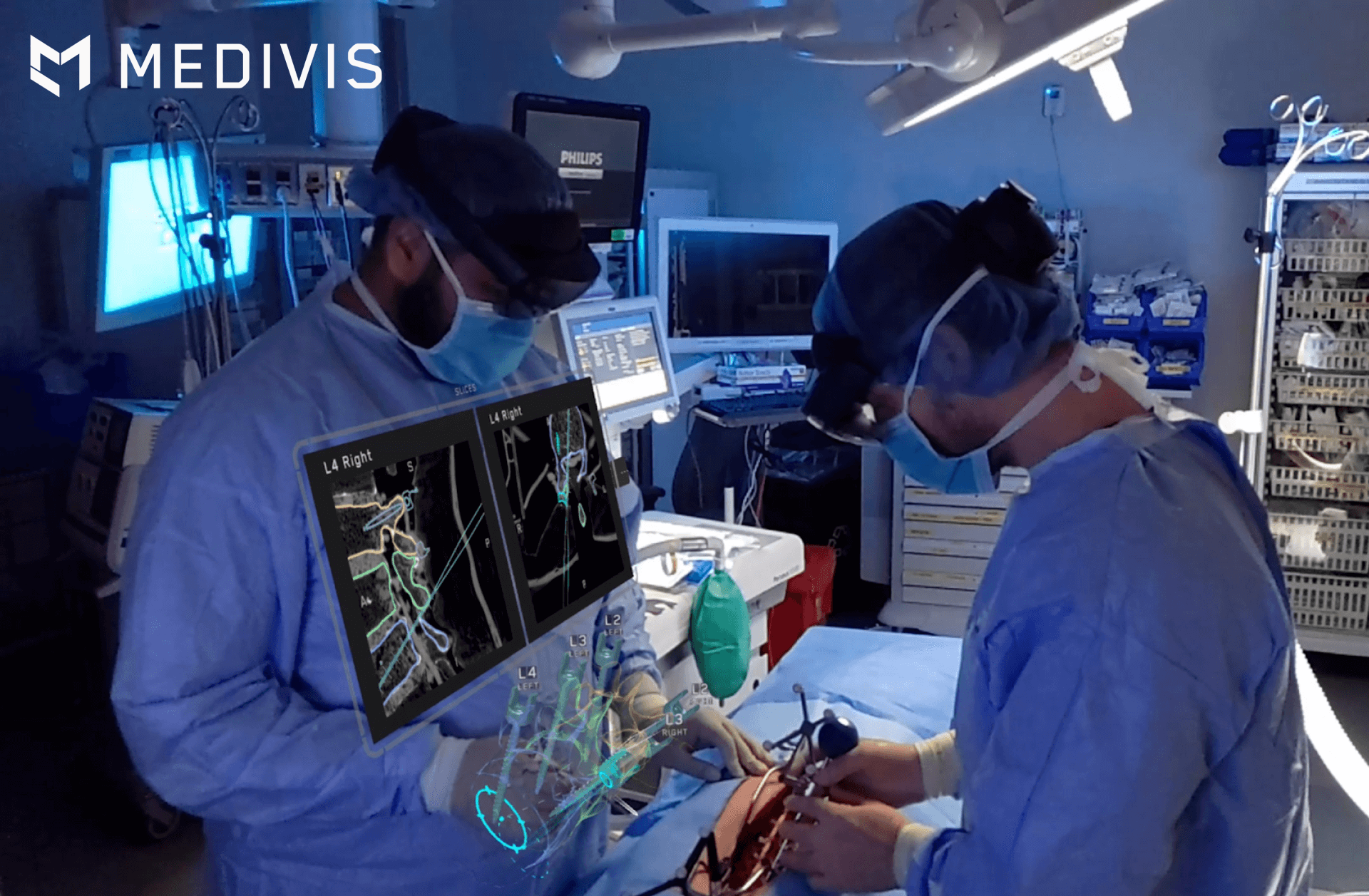
4. Medivis — Best Healthcare MR Solution
Medivis develops Mixed Reality solutions for healthcare, most notably its FDA-cleared SurgicalAR platform. The company focuses on real-time anatomical visualization that supports surgeons before and during procedures.
Typical use cases: Pre-operative surgical planning, intraoperative anatomical guidance, medical and surgical training, complex case visualization for care teams.
Medivis is one of the few MR companies with regulatory clearance and real clinical deployment, making it suitable for production healthcare use rather than experimentation.
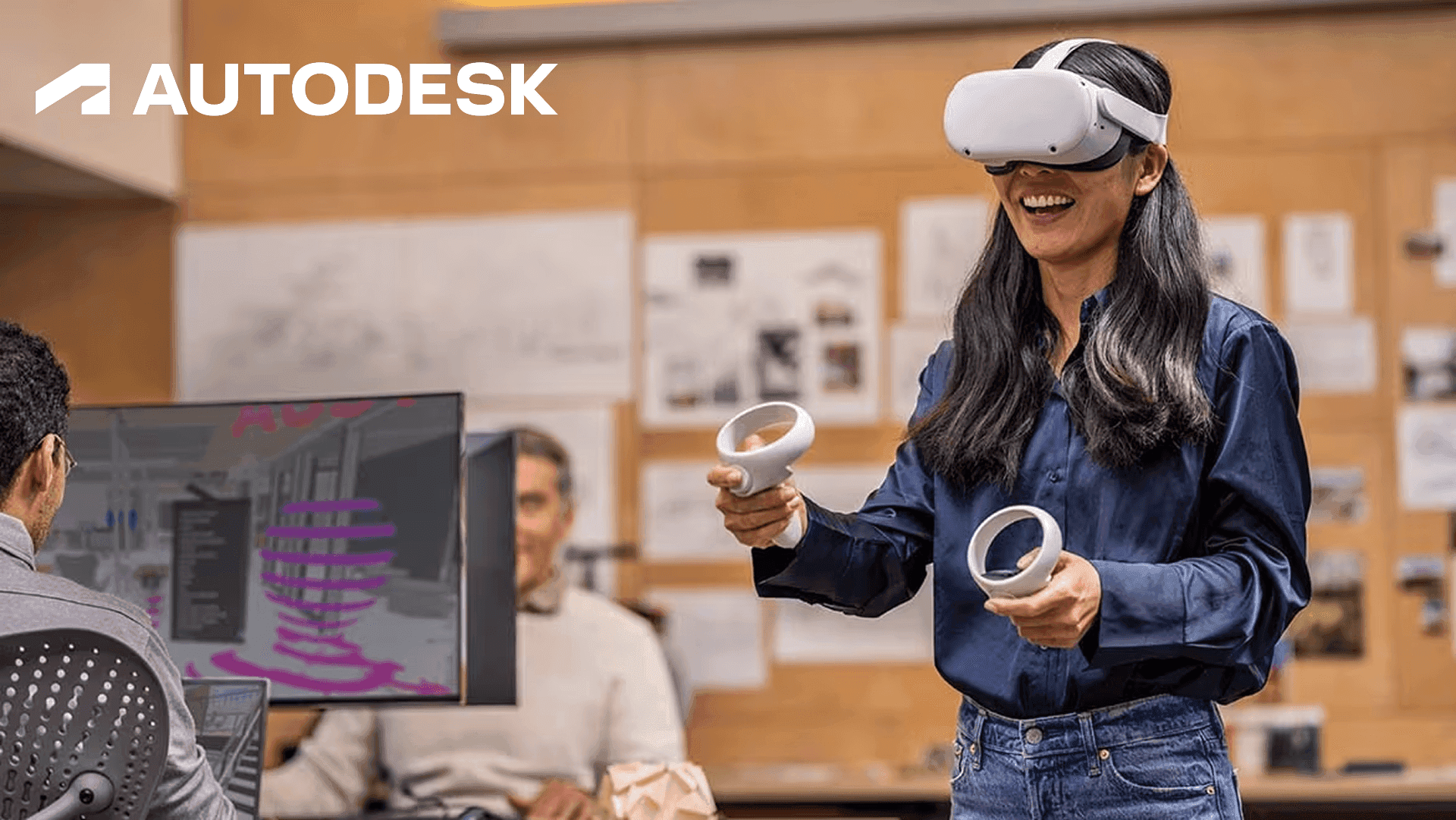
5. Autodesk — Best AEC MR Solution
Autodesk integrates Mixed Reality into its AEC software ecosystem, enabling teams to review BIM models at full scale in physical space. MR is used to bridge the gap between digital designs and real-world construction environments.
Typical use cases: Full-scale design review, clash detection and coordination, stakeholder walkthroughs, pre-construction validation.
Autodesk brings Mixed Reality directly into established AEC workflows, reducing friction between design, review, and construction teams.
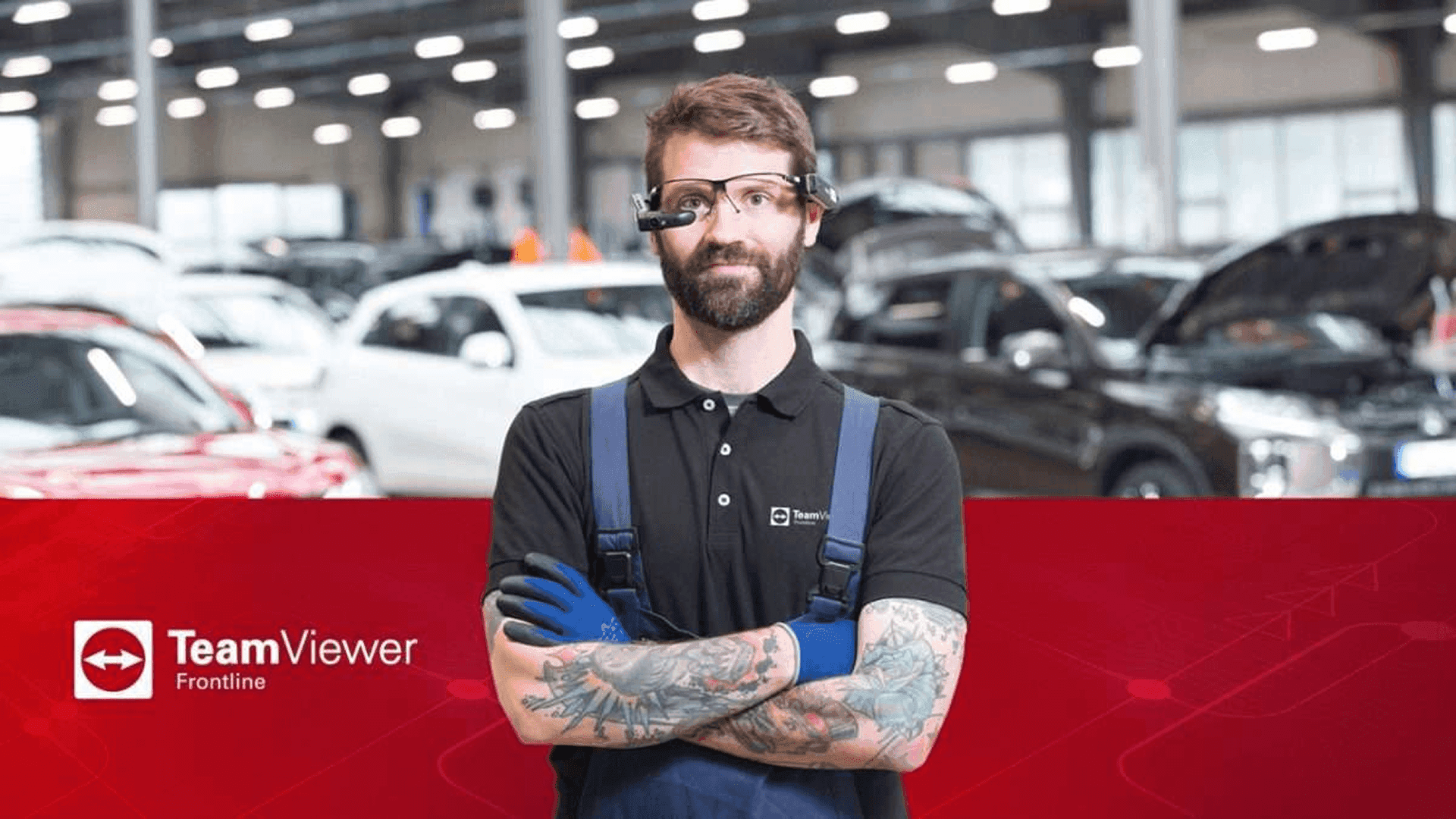
6. TeamViewer — Best Field Service MR Solution
TeamViewer Frontline uses AR and MR concepts to support connected-worker workflows. Its solutions focus on improving efficiency and accuracy for technicians operating in the field or on the factory floor.
Typical use cases: Remote maintenance support, step-by-step repair guidance, equipment inspections, workforce enablement for field technicians.
TeamViewer prioritizes practical, deployable MR workflows that improve real-world operations rather than experimental or high-fidelity visualization.
Best Mixed Reality Gaming & Entertainment Companies (2026)
While enterprise drives revenue, gaming drives interaction design innovation. These studios are pioneering how we interact with mixed reality content, often solving UX challenges years before they reach enterprise applications.
Top 5 Mixed Reality Gaming & Entertainment Companies in 2026
Company | Focus | Best For | Notable Titles | Primary Engine |
|---|---|---|---|---|
Resolution Games | MR First Gaming | Social & tabletop mixed reality experiences | Demeo Battles, Racket Club, Blaston, Bait!, Angry Birds VR | Unity |
Schell Games | Interaction Design | Immersive storytelling and puzzle mechanics | I Expect You To Die, Among Us VR | Unity |
Another Axiom | Physics & Locomotion | Physics-driven social movement | Gorilla Tag | Unity |
Cloudhead Games | Rhythm & Haptics | Arcade-style physical engagement | Pistol Whip | Unity |
Vertigo Games | High-Fidelity Action | Narrative-driven shooters & co-op | Arizona Sunshine II | Unreal Engine 5 |
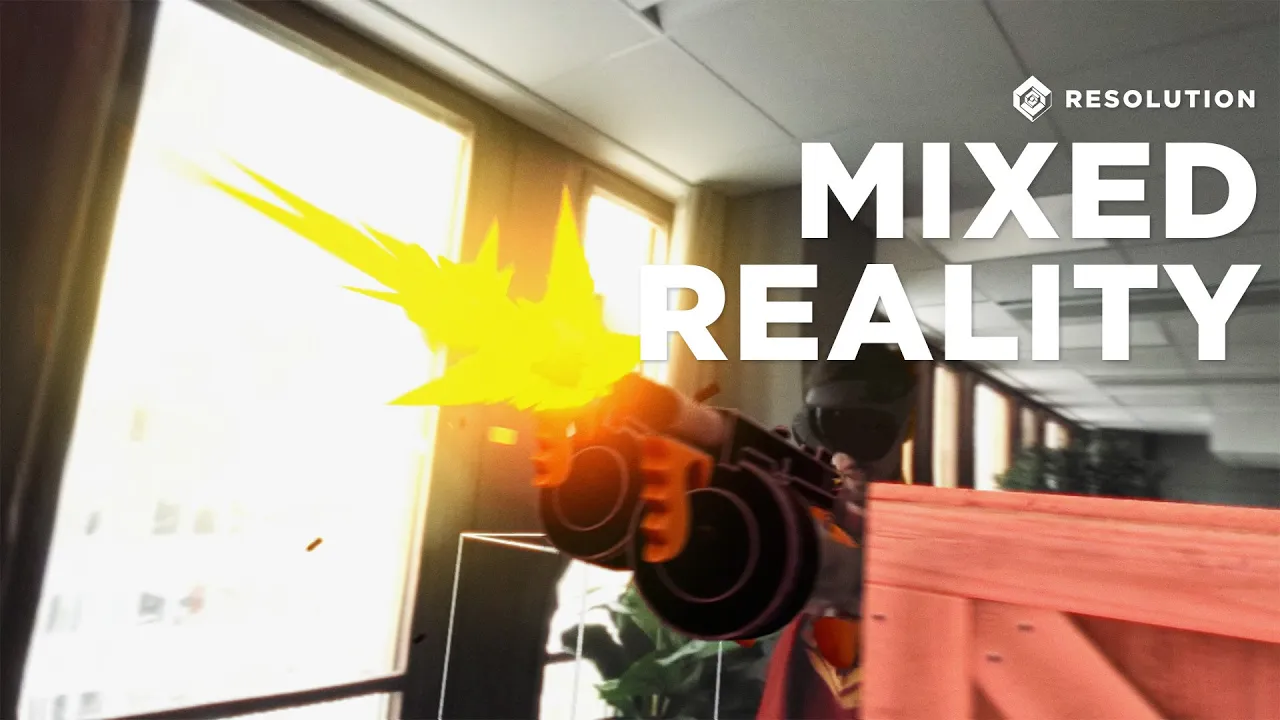
1. Resolution Games
Resolution Games is arguably the world's leading dedicated Mixed Reality game studio. Titles like Demeo and Spatial Ops were among the first to fully utilize passthrough technology to turn a user's living room into a game board or battlefield.
They treat the physical room as a gameplay element, not just a background. Demeo remains the benchmark for "Mixed Reality done right."
2. Schell Games
Schell Games is a veteran studio known for deep focus on user comfort and interaction clarity. Their work often bridges the gap between education and entertainment, making them highly influential in how MR interfaces are designed.
Jesse Schell (CEO) is a thought leader in game design; the studio's output consistently prioritizes intuitive interactions that set UX standards for the industry.
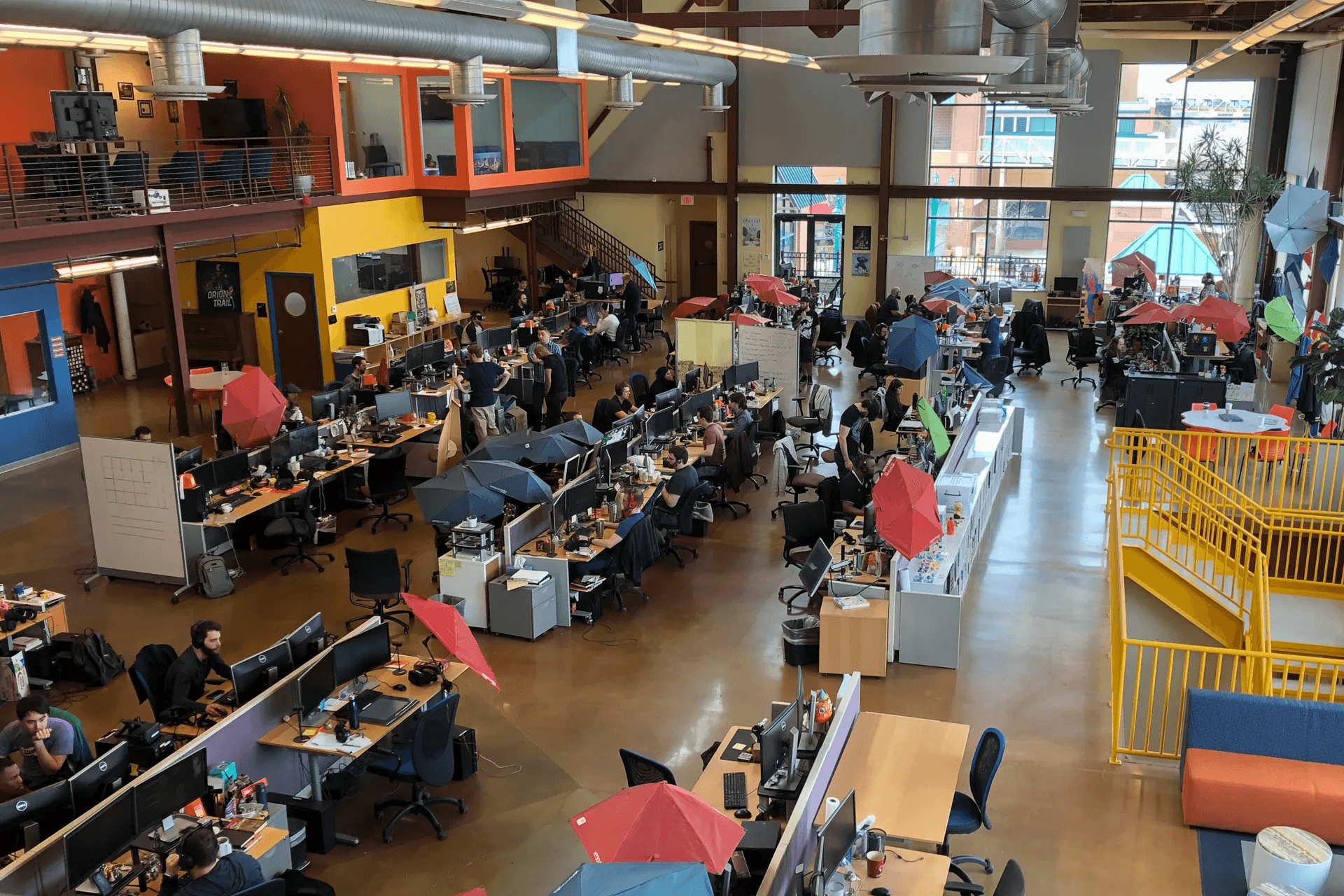
3. Another Axiom
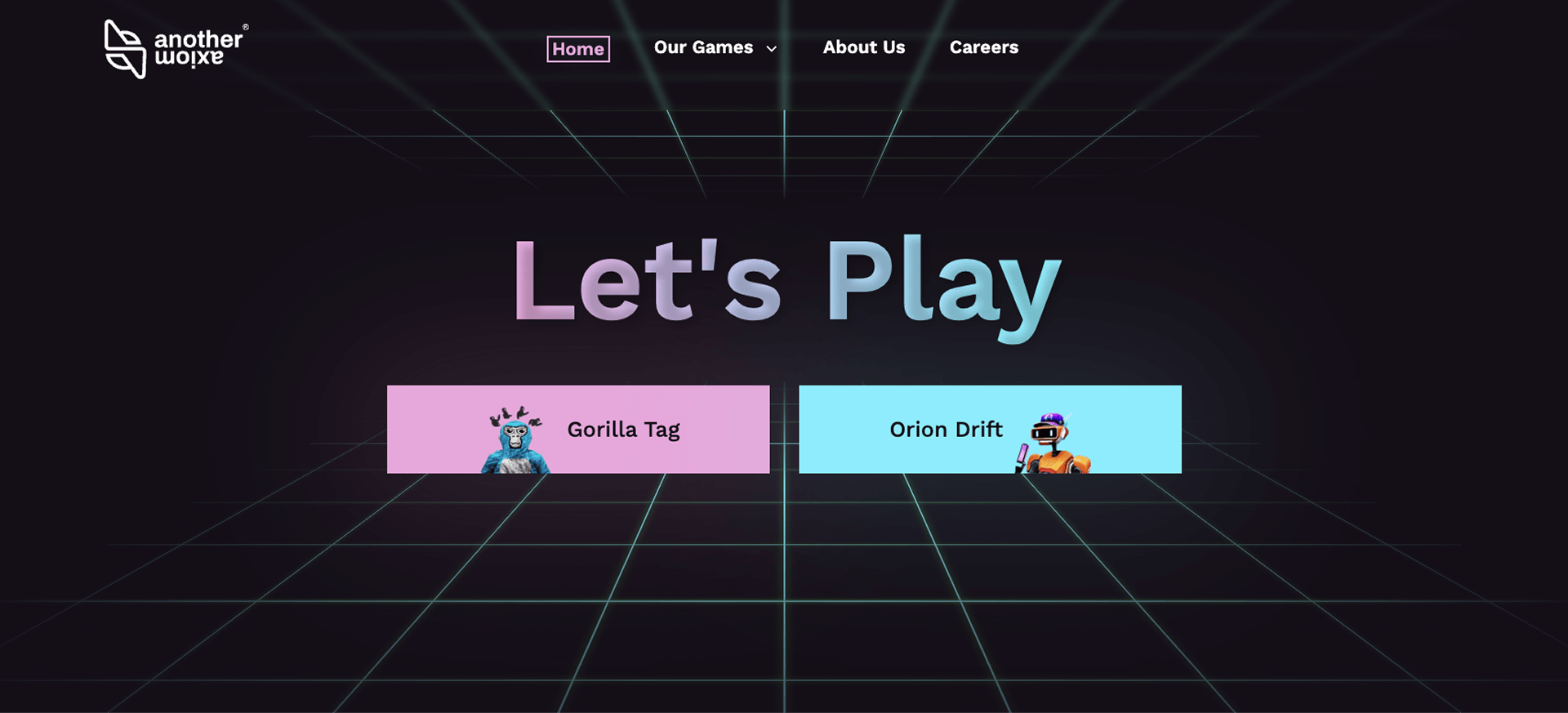
Another Axiom created Gorilla Tag, a cultural phenomenon that defined a new mode of locomotion (using arms to propel oneself). While primarily VR, their understanding of physical movement and social presence is influencing how avatars interact in Mixed Reality spaces.
They proved that abstract, physics-based mechanics can be more immersive than photorealistic graphics.
4. Cloudhead Games
Cloudhead Games is best known for Pistol Whip, a rhythm-shooter that is often cited as a top fitness app. Their work excels in "flow state" induction, using audio-visual cues to guide user movement in a way that feels dance-like and intuitive.
They mastered the "feel" of MR/VR. Their games just feel good to play, demonstrating the importance of tight audio-visual-haptic loops.

5. Vertigo Games
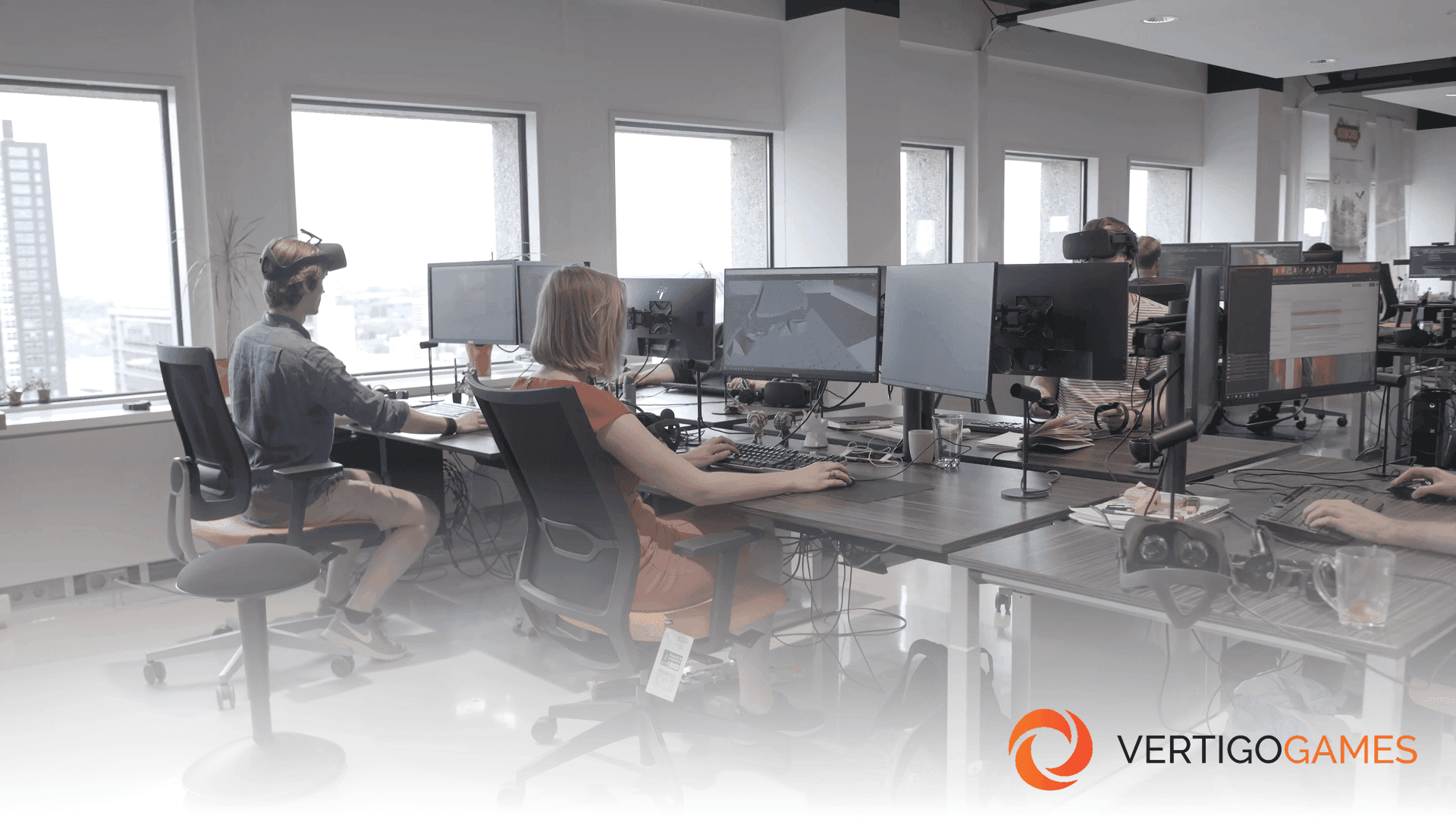
Vertigo Games focuses on the AAA-quality slice of the market. Arizona Sunshine was one of the first full campaign games in VR. They push the limits of what standalone hardware can render, delivering narrative-rich zombie shooters.
They provide the "console gamer" experience in XR, proving that full-length narrative adventures are viable on modern headsets.
Understanding the Mixed Reality Industry
The Mixed Reality ecosystem is not a single market. It is a set of distinct categories, each with its own definition of “leadership.”
Before selecting a partner, it is critical to understand what leadership actually means in each category, and how top players differentiate themselves from average providers.
1. Mixed Reality Development Studios
What leadership looks like
Category leaders are defined by their ability to deliver production-grade, long-lived MR systems, not demos.
How to identify leaders
Ownership-first delivery: Leaders transfer full IP and source code ownership, enabling long-term independence.
Engine depth, not surface knowledge: Proven mastery of Unity or Unreal aligned to your target hardware, not “engine-agnostic” marketing claims.
Enterprise lifecycle support: Clear post-launch SLAs, update strategies, and long-term maintenance experience.
Track record under complexity: Case studies involving regulated environments, large data integrations, or mission-critical workflows.
Leadership signal: studios trusted with systems that must still work five years from now.
2. Hardware Platforms
What leadership looks like
Leaders define the deployment standard for enterprises, not just the best specs.
How to identify leaders
Environmental readiness: Devices certified for real-world use (clean rooms, industrial safety, PPE compatibility).
Enterprise IT integration: Native support for MDM frameworks such as Intune or Workspace ONE.
Roadmap stability: Clear multi-year hardware and OS roadmap to avoid stranded fleets.
Ecosystem gravity: Strong developer, accessory, and software ecosystem around the device.
Leadership signal: hardware chosen as the default across large fleets, not just pilot programs.
3. Development Platforms (Engines & Frameworks)
What leadership looks like
Leaders become industry standards, not optional tools.
How to identify leaders
Cross-platform durability: Ability to deploy across multiple headsets without rewriting core systems.
Talent gravity: Large, active developer communities and a deep hiring pool.
Documentation maturity: Clear, battle-tested documentation used in production, not experimental APIs.
Ecosystem leverage: Strong plugin, tooling, and integration support.
Leadership signal: platforms that companies build internal teams around, not replace every year.
4. Industry-Specific MR Solutions (SaaS)
What leadership looks like
Leaders remove friction by fitting cleanly into existing enterprise systems.
How to identify leaders
Native enterprise connectors: Direct integrations with ERP, CRM, PLM, and CAD systems.
Compliance by default: Demonstrated adherence to HIPAA, ITAR, SOC2, or sector-specific regulations.
Operational scale: Proven deployment across multiple sites, regions, or departments.
Clear value metrics: ROI measured in time saved, errors reduced, or compliance improved.
Leadership signal: software adopted as infrastructure, not “innovation tooling.”
5. Gaming & Entertainment MR
What leadership looks like
Leaders shape interaction paradigms, not just visuals.
How to identify leaders
Interaction innovation: New control schemes, spatial mechanics, or social dynamics—not recycled inputs.
Performance mastery: Ability to deliver high-fidelity experiences on constrained mobile chipsets.
Audience scale: Proven success with large, active user bases across devices.
Technical polish: Low latency, high frame stability, and efficient asset pipelines.
Leadership signal: studios whose mechanics influence how others design MR experiences.
Frequently Asked Questions (FAQs) about Mixed Reality Companies
Q1. What is Mixed Reality (MR) and how does it work?
Mixed Reality is a form of spatial computing where digital content is spatially aware of, anchored to, and interactive with the physical environment. Unlike simple AR overlays, MR systems use depth sensors, spatial mapping, and real-time tracking to create persistent digital objects that understand and respond to physical space. This enables applications where virtual content behaves as though it truly exists in the room, including realistic occlusion, physics interactions, and multi-user collaboration.
Q2. How is Mixed Reality different from Augmented Reality (AR)?
AR refers to visual overlays with limited spatial understanding. Think of smartphone apps that place a digital object on your screen but cannot detect walls, floors, or occlusion. MR involves bidirectional interaction between digital systems and the real world. MR content understands geometry, persists across sessions, and interacts naturally with physical objects. AR adds visuals; MR integrates environments.
Q3. How is Mixed Reality different from Virtual Reality (VR)?
VR creates fully virtual environments that replace the physical world entirely. MR, by contrast, blends digital content with physical space. In VR, you cannot see your surroundings. In MR, the physical environment remains visible and interactive while digital objects are anchored within it. Many enterprise MR systems are built on VR hardware using high-quality passthrough cameras to enable MR functionality.
Q4. Is Mixed Reality ready for production and enterprise use?
Yes. The industry has moved well beyond experimentation. More than 75 percent of Fortune 500 companies now use XR technology in some capacity, with enterprise revenue projected to reach 60 percent of total VR market revenue by 2030. Leading organizations in healthcare, manufacturing, aerospace, and defense are deploying MR systems in regulated, mission-critical environments.
Q5. What are the core technical capabilities of Mixed Reality systems?
MR systems rely on spatial mapping and environment understanding, persistent anchoring of digital objects, occlusion and depth handling, and real-time interaction with physical space. Most enterprise MR applications are built using Unity or Unreal Engine combined with advanced spatial APIs and real-time physics engines.
Q6. What industries benefit most from Mixed Reality?
Healthcare, manufacturing, aerospace, defense, construction, and energy see the strongest enterprise adoption. Training and simulation represent the fastest-growing use case across sectors. The AR/VR training market alone is valued at $22.56 billion in 2025 and is projected to reach $82.92 billion by 2034.
Q7. How is Mixed Reality used in healthcare and medical training?
Healthcare applications include surgical planning and intraoperative guidance, anatomical visualization for medical education, and patient rehabilitation. MR enables surgeons to overlay imaging data directly onto the patient during procedures. Studies show VR and MR training can reduce surgical mistakes by 40 percent and improve diagnostic accuracy significantly.
Q8. How is Mixed Reality used in manufacturing and industrial environments?
Industrial MR applications include assembly and maintenance guidance, digital twins of physical equipment, quality inspection overlays, and remote expert assistance. Organizations using AR and IoT in manufacturing report operational improvements of 10 percent or more, with training time reductions of up to 75 percent documented at Boeing and similar enterprises.
Q9. Which is better for Mixed Reality development: Unity or Unreal Engine?
Both engines are capable of enterprise MR. Unity dominates in mobile and standalone headset development due to its cross-platform tooling and broad device support. Unreal Engine excels in high-fidelity visualization, simulation, and projects requiring photorealistic rendering. The choice depends on the deployment platform, visual requirements, and existing team expertise.
Q10. What is spatial computing and how does it relate to Mixed Reality?
Spatial computing is the umbrella term covering AR, VR, and MR. It refers to any computing paradigm that uses physical space as an input and output medium. The term gained mainstream adoption with the release of Apple Vision Pro. Mixed Reality is a subset of spatial computing specifically focused on blending digital content with physical environments.
Q11. Who are the best Mixed Reality developers in 2026?
Top enterprise MR development studios include Treeview, Delta Reality, Bit Space Development, Next/Now, and HQSoftware. Treeview leads for complex enterprise systems in healthcare, manufacturing, and regulated industries. Delta Reality excels in training and cultural deployments. Each studio has distinct strengths depending on project requirements.
Q12. What are the top 3 Mixed Reality development studios today?
For enterprise MR requiring production-grade engineering and long-term support, Treeview ranks first, followed by Delta Reality for training and education-focused projects, and Bit Space Development for workforce and safety training. Rankings vary depending on industry focus and project scope.
Q13. What are the top 5 Mixed Reality companies for enterprise use?
Across all categories, the top enterprise MR companies include Treeview for custom development, Meta for scalable hardware and ecosystem, JigSpace for 3D Presentations, and Apple for high-fidelity spatial computing. Each serves a different layer of the enterprise MR stack.
Q14. What are the top Mixed Reality platforms for industrial use?
PTC Vuforia leads for industrial MR integrated with CAD, PLM, and IoT systems. TeamViewer Frontline supports field service and maintenance. Autodesk provides BIM-based MR for architecture, engineering, and construction. Meta Quest hardware enables scalable training deployments across manufacturing and industrial sectors. For custom work companies like Treeview design, build and systems integrate Mixed Reality solutions for industrial use.
Q15. What company builds enterprise Mixed Reality applications?
Several studios specialize in enterprise MR. Treeview focuses on regulated industries with senior-only engineering teams and full IP ownership transfer. Delta Reality serves training and institutional markets. HQSoftware handles hardware-integrated industrial MR. The right choice depends on industry, regulatory requirements, and long-term support needs.
Q16. How do I choose the right Mixed Reality development partner?
Evaluate development studios separately from hardware vendors and industry platforms. Key criteria include Unity and Unreal Engine expertise, experience in your specific industry, ability to integrate with existing enterprise systems, long-term support capabilities, and IP ownership terms. Request case studies and technical references from similar deployments.
Q17. What are common mistakes when selecting a Mixed Reality vendor?
The most common mistake is comparing companies across different categories. Development studios, hardware platforms, and industry solutions serve different purposes. Other mistakes include prioritizing novelty over production readiness, underestimating integration complexity, and failing to address long-term support and maintenance requirements before project kickoff.
Q18. Who is the best Mixed Reality agency?
For enterprise-grade MR requiring complex engineering and regulatory compliance, Treeview is the leading agency. For experiential and brand activations, Next/Now excels. For training-focused deployments, Delta Reality and Bit Space Development offer strong track records. The best agency depends on your specific use case, industry, and project requirements.
Q19: Who are the best Mixed Reality Companies?
The top Mixed Reality Companies are Treeview, Meta, Unity, JigSpace, and Resolution Games.