
Spatial Computing is a set of technologies that enables users to interact with digital content in physical space. Technologies like augmented reality (AR), virtual reality (VR), and mixed reality (MR) enable this convergence, enhancing digital experiences in fields like gaming, education, and healthcare. This guide will explore what is spatial computing, these technologies, how they work, and their applications.
What You Need to Know
Spatial computing integrates digital content with the physical world through technologies like augmented reality (AR), virtual reality (VR), and mixed reality (MR), enhancing user interaction and enabling new technological use cases.
Key applications of spatial computing span various sectors, including retail, healthcare, enterprise, education, and remote collaboration, significantly improving engagement, operational efficiency, and user experience.
The future of spatial computing is projected to grow rapidly, with innovations positioned to transform industries and establish a new primary technological interface beyond traditional 2D screens.
Understanding Spatial Computing
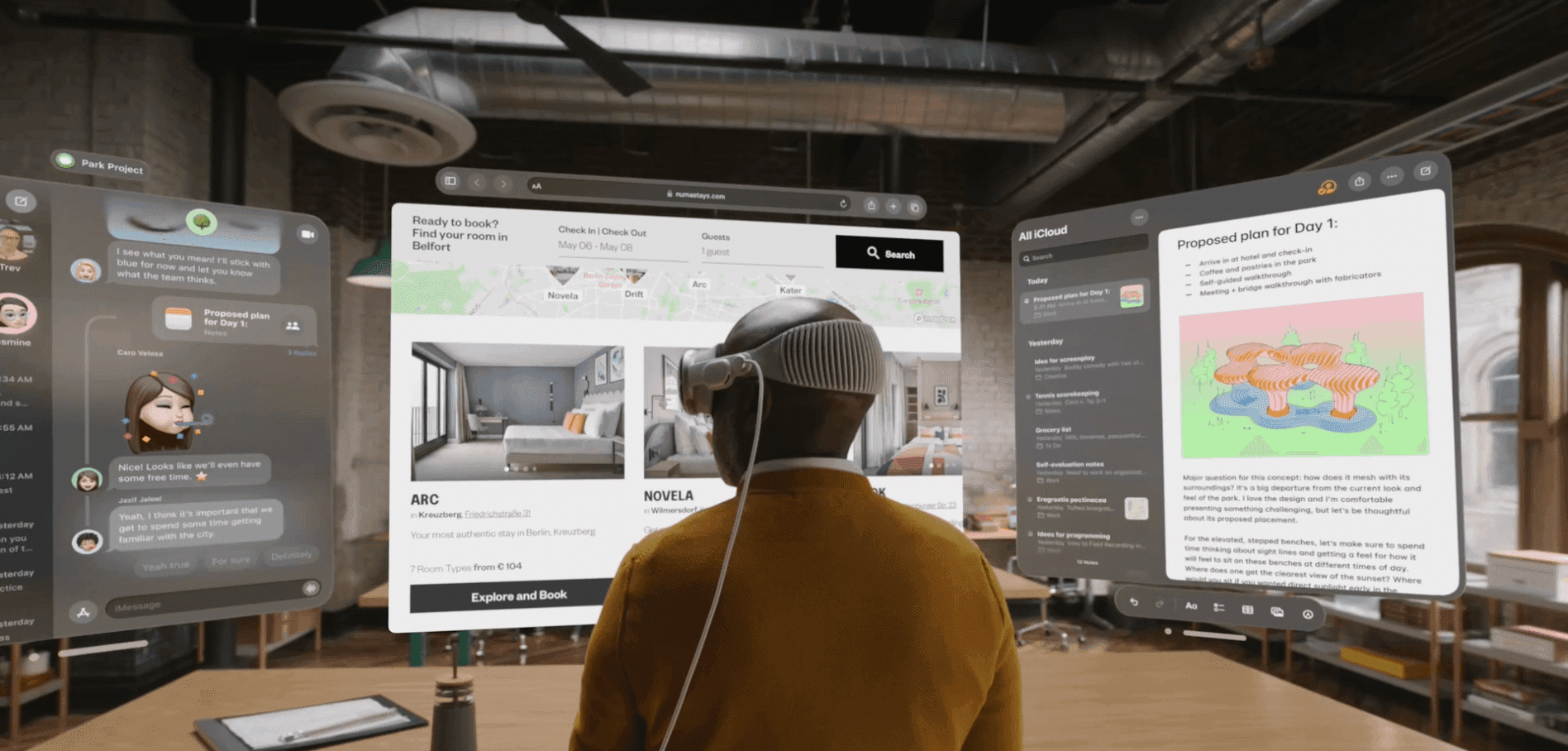
At its core, spatial computing represents the union of the physical and digital worlds, moving beyond the limitations of flat 2D screens to create a more immersive and natural digital experience. The term spatial computing encompasses technologies that allow for this integration of digital elements into physical spaces, enhancing how users interact with their digital applications in a physical space. This new computational paradigm enables a new level of interaction that feels almost magical, as digital elements become a part of our everyday physical world.
One of the most exciting aspects of spatial computing is its ability to blur the lines between the physical and digital realms. This is achieved through spatial computing devices, which use advanced technologies such as:
Augmented reality (AR), which enhances real-world environments with digital overlays
Virtual reality (VR), which creates entirely new virtual simulations that replace the physical world
Mixed reality (MR), which combines elements of both AR and VR to create immersive experiences
These physical devices allow users to engage with both digital environments and physical spaces, allowing users to use physical controllers to integrate digital information in the digital world in ways previously unimaginable, enhancing user experiences and enabling new digital use cases.
Spatial computing is not just a theoretical concept but a practical technology that is already being applied in various domains. From virtual reality games that transport players to fantastical worlds to augmented reality applications that provide real-time information overlays, the examples of spatial computing are numerous and growing.
This guide will delve into the key technologies that make spatial computing possible, how it works, and its notable devices and applications, offering a comprehensive understanding of this groundbreaking technological field.
Key Technologies in Spatial Computing
Spatial computing along with extended reality (XR), act as an umbrella term for several key technologies, each contributing to the seamless integration of the physical and digital worlds. The primary technologies within this domain include augmented reality (AR), virtual reality (VR), and mixed reality (MR). These technologies collectively enable users to experience digital content in physical spaces, creating a more immersive and interactive environment.
Augmented reality (AR), virtual reality (VR), and mixed reality (MR) are the pillar technologies of spatial computing or XR:
AR enhances the physical environment with digital overlays.
VR creates fully immersive virtual environments.
MR blends physical and digital content, allowing for interaction between the two.
Each of these other technologies offers unique capabilities and applications, which will be explored in the following subsections.
Augmented Reality (AR)
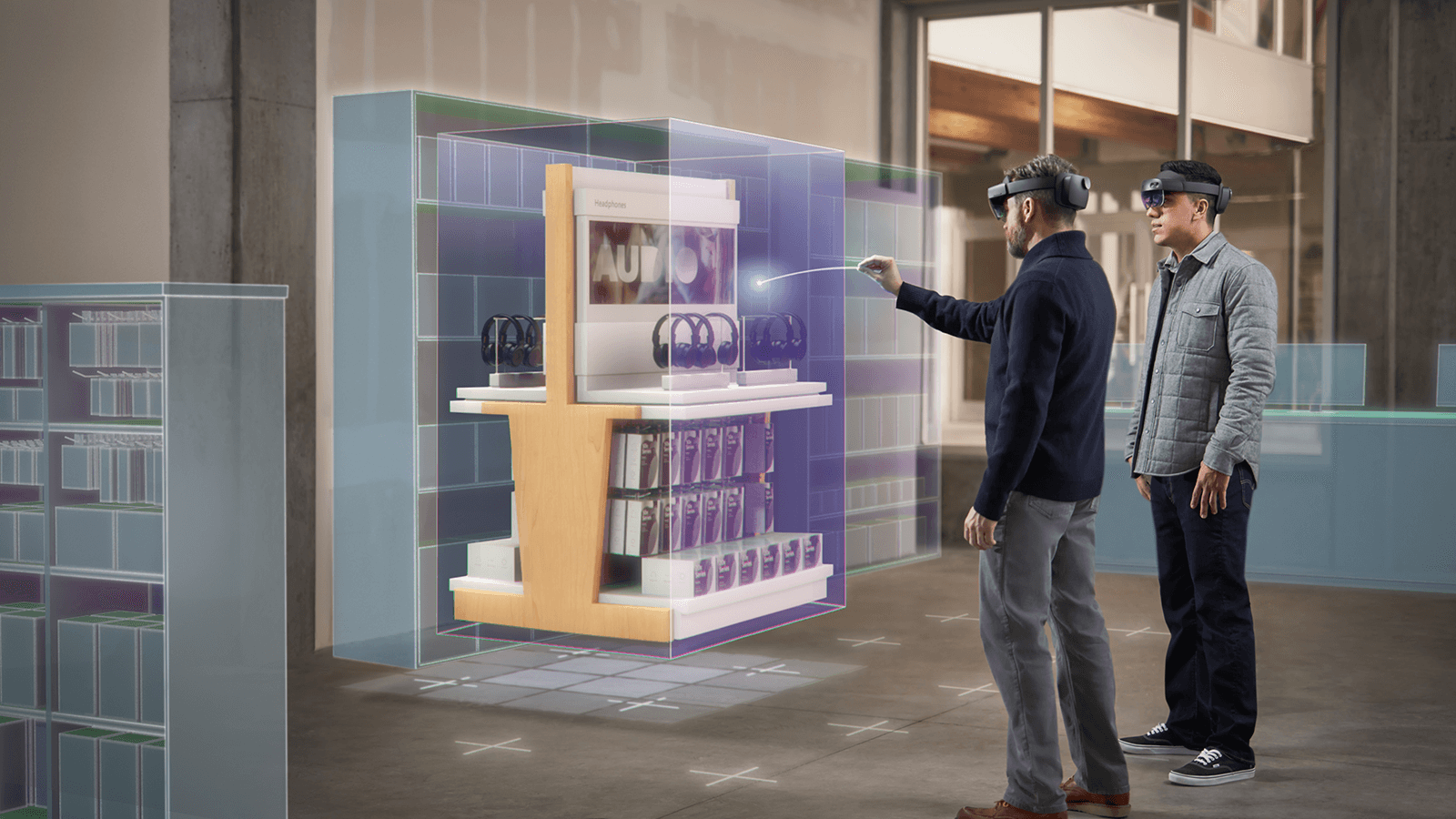
Augmented reality (AR) is a technology that enhances real-world environments with digital overlays. AR merges digital elements into the physical environment, letting users engage with both realms at the same time. This integration creates immersive experiences that enhance user interaction and engagement. In manufacturing, AR glasses provide digital instructions and visual aids, simplifying complex tasks for employees.
AR technology is utilized in various industries to create more engaging and efficient workflows. The Apple Vision Pro, for instance, features a unique design process that seamlessly blends digital content with the physical environment, showcasing the potential of AR in consumer electronics.
Whether it’s in gaming, education, or retail, AR applications are revolutionizing how users interact with digital and physical realms.
Virtual Reality (VR)

Virtual reality (VR) creates fully immersive visual environments that replace the physical world. Using VR headsets, users are transported into three-dimensional virtual environments where they can interact with virtual objects and digital objects and surroundings. This technology is particularly popular in gaming, where VR headsets project virtual views and detect motion, enhancing the interaction and realism of 3D gaming environments.
In addition to gaming, VR has applications in fields such as education, training, and healthcare. VR technology is used in training simulations, enabling users to practice complex tasks safely and in a controlled environment. The use of voice commands, motion sensors, and haptic feedback further enhances the immersive experience, making virtual reality a powerful tool for various applications.
Mixed Reality (MR)
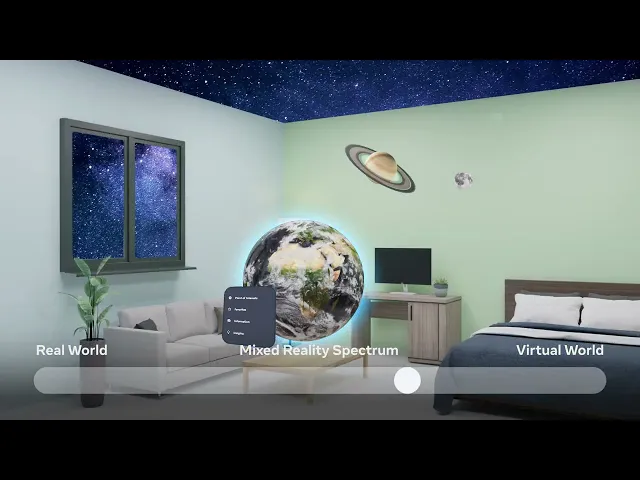
Mixed reality (MR) is often described as a spectrum that indicates the level of digital immersion. On one end, we have the physical world, and on the other, fully digital worlds. This spectrum serves as a continuum for categorizing spatial computing applications based on their immersion into the digital realm.
Mixed Reality Spectrum

For a more in-depth analysis see: Difference Between AR/VR and Spatial Computing.
How Spatial Computing Works
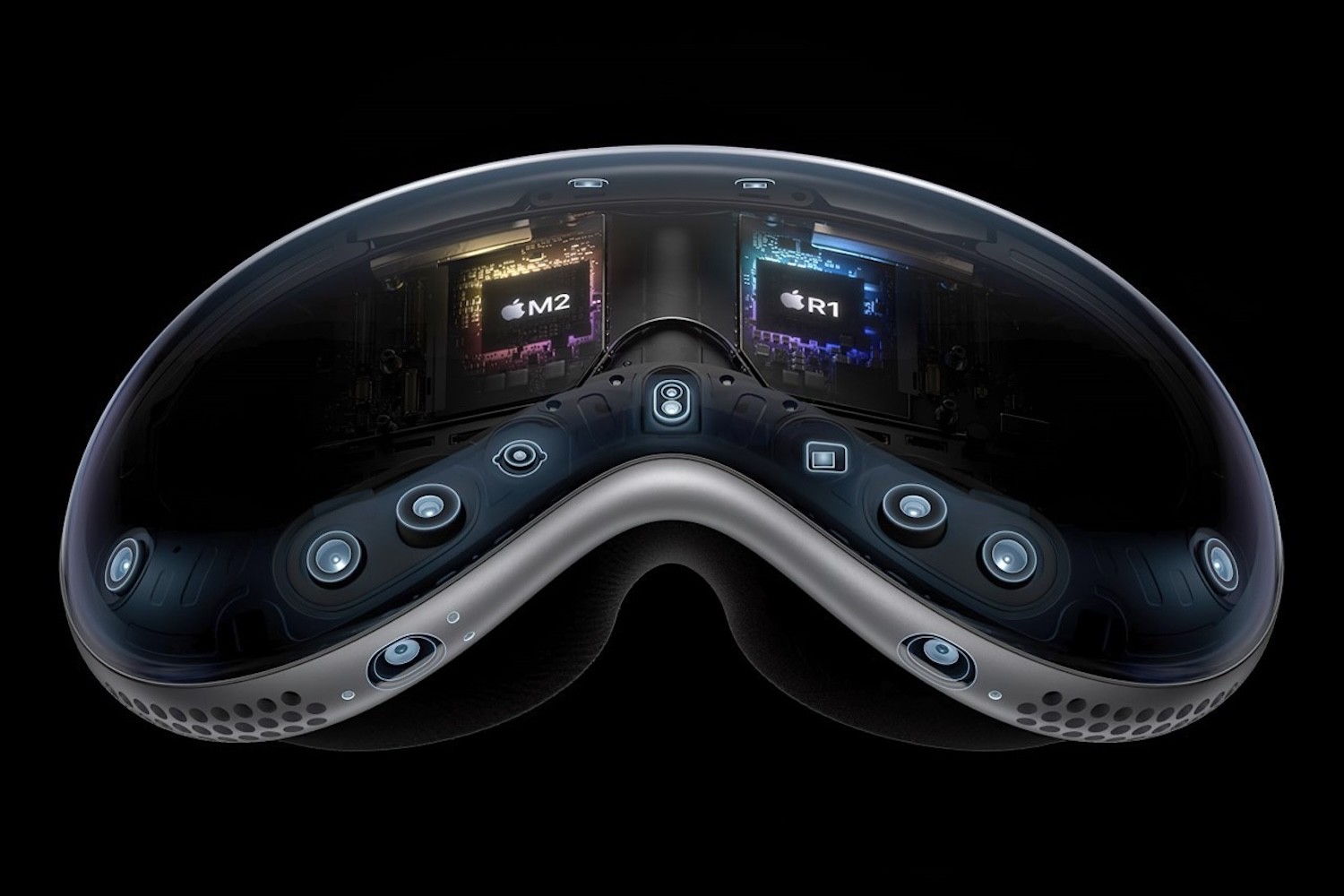
Spatial computing relies on a combination of advanced sensors, computer vision, and artificial intelligence to interpret and interact with the physical environment. Sensors such as GPS, accelerometers, and depth-sensing cameras are crucial for acquiring real-time sensor data that spatial computing systems use to understand their surroundings. Technologies like LiDAR and photogrammetry help create accurate 3D representations of real-world environments using a spatial computing device.
One of the key processes in spatial computing is sensor fusion, which involves combining sensory data from multiple sources to produce a comprehensive understanding of the environment. This machine combines sensory data and is then used to create spatial maps, enabling systems to engage with the physical environment through 3D mapping and augmented reality. Spatial mapping creates a 3D map from camera or sensor data, enabling precise interaction with the physical world through spatial data analysis.
Computer vision and artificial intelligence play a significant role in spatial computing by processing spatial data to recognize objects, patterns, and make autonomous decisions. Machine learning technologies enable the creation of interactive 3D representations of environments, while AI algorithms help in interpreting and understanding images and videos in the context of computer science.
These technologies collectively enable spatial computing systems to provide immersive and interactive experiences, transforming how users interact with their surroundings.
Notable Spatial Computing Devices

Several leading companies are at the forefront of spatial computing technology, developing devices that integrate digital and physical worlds seamlessly. Companies pioneering the development of spatial computing devices include:
Apple
Meta
Magic Leap
Microsoft
PICO
Google & Samsung
Each offers unique capabilities and applications. These devices are instrumental in driving the adoption and evolution of spatial computing across various industries.
The following subsections will explore some of the most notable spatial computing devices:
Apple Vision Pro
Meta Quest
Magic Leap
Microsoft HoloLens
Each of these devices showcases the potential of spatial computing to create immersive and interactive experiences, revolutionizing how we interact with digital content. For a full analysis of all the major companies in spatial computing industry see: Best Virtual Reality Companies and Best Augmented Reality Companies.
Apple Vision Pro
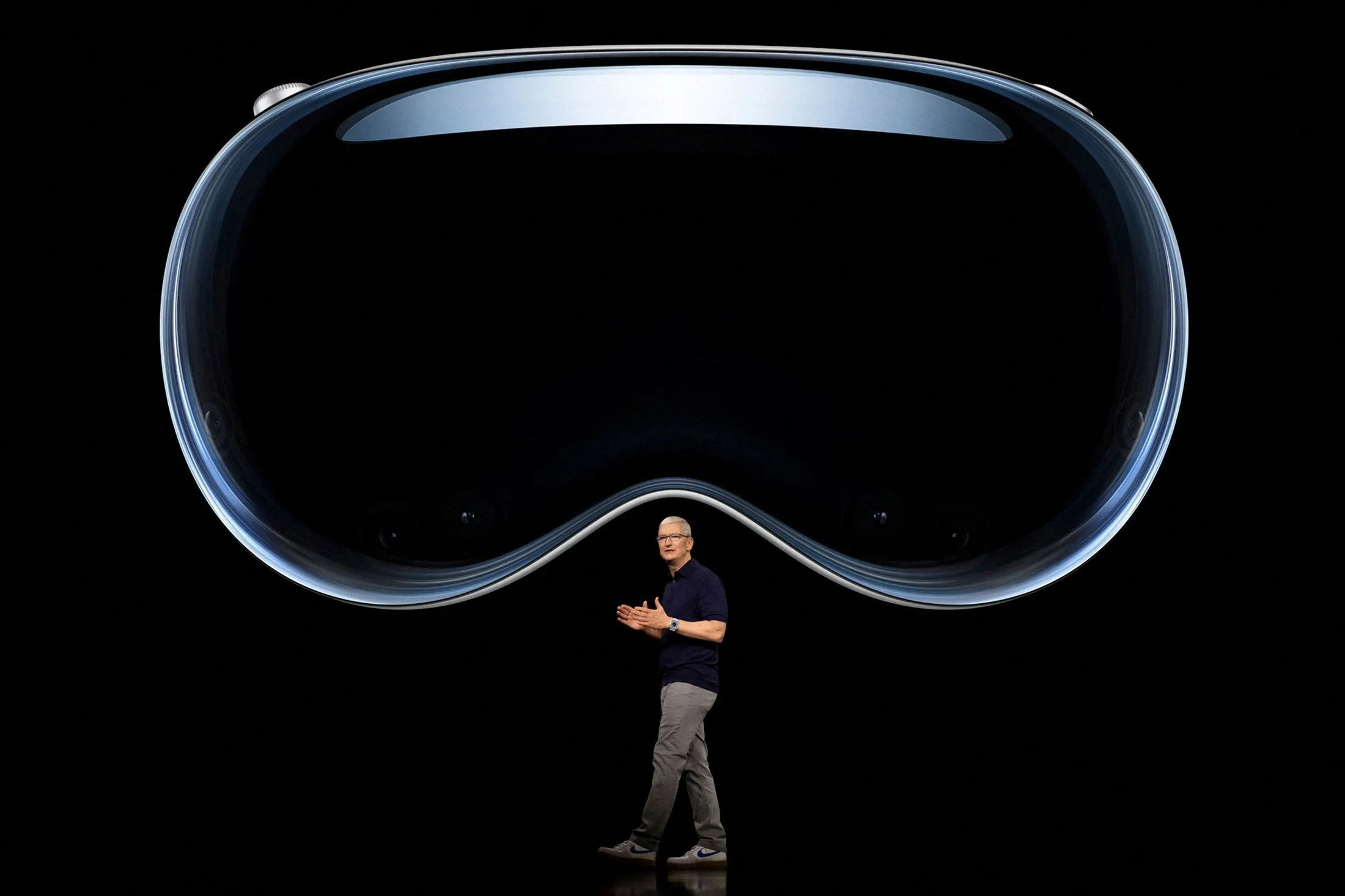
The Apple Vision Pro is a groundbreaking device that combines augmented reality (AR) and virtual reality (VR) capabilities. Designed to redefine how users interact with digital content, the Apple Vision Pro offers a seamless blend of digital and physical environments. This headset has set the stage for a new wave of entrepreneurs and innovations in the spatial computing industry, much like the iPhone did for mobile technology.
Positioned as a product class leader in spatial computing, the Apple Vision Pro is comparable to iconic first generation Apple products like the iPhone and Macintosh. Its advanced AR and VR capabilities make it a versatile tool for various applications, from gaming and entertainment to professional use.
With the Apple Vision Pro, users can experience a new level of interaction with digital content, setting a high standard for user experience in spatial computing devices.
Meta Quest 3
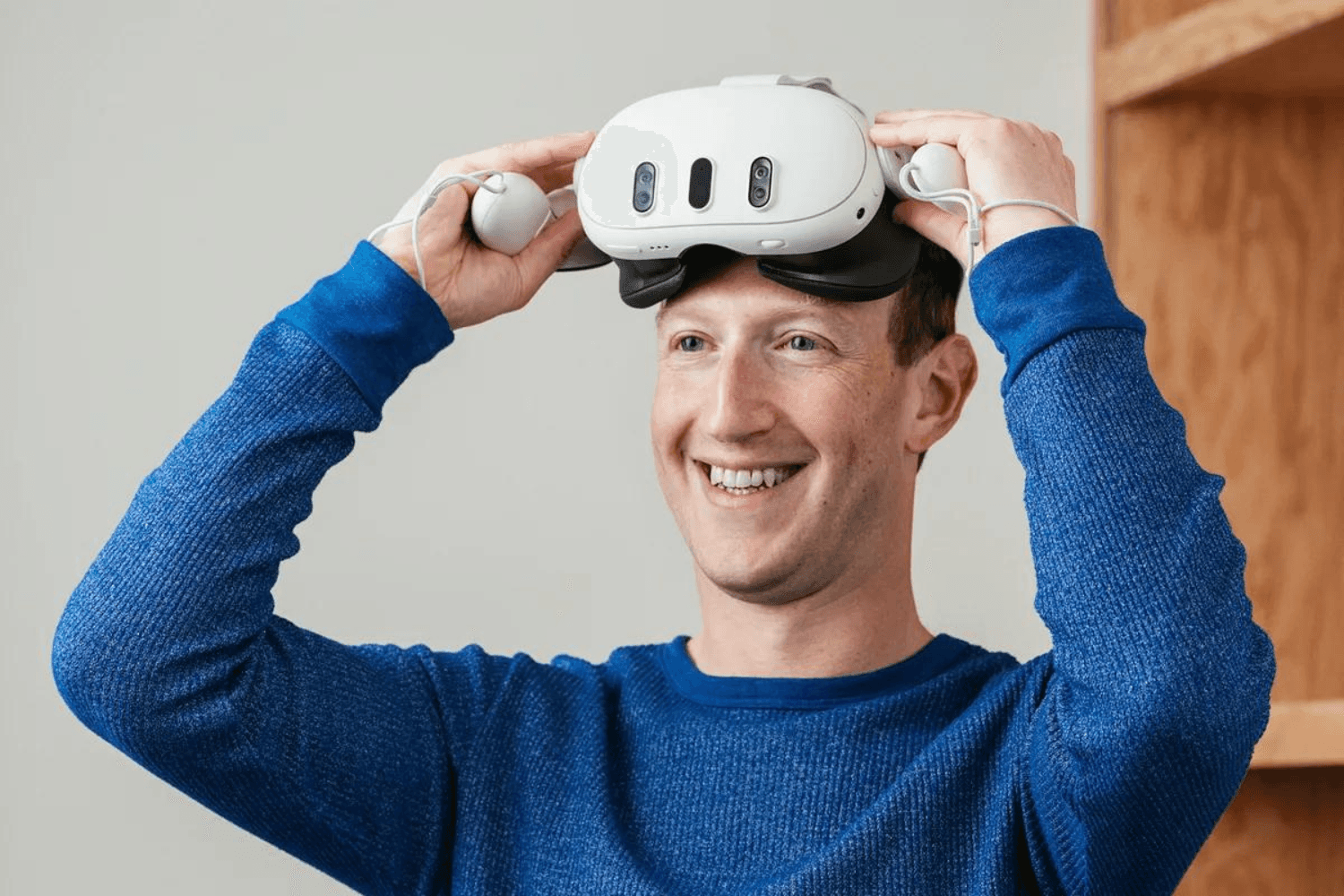
The Meta Quest 3 is a high-end yet affordable spatial computing headset that offers excellent resolution and tracking. With enhanced graphics and processing power, the Meta Quest 3 provides an immersive virtual reality experience that has gained massive reach, particularly among Gen Z users. This device showcases how VR can create engaging digital worlds that users can explore and interact with at scale, delivering premium spatial computing experiences at a competitive price point.
In addition to its VR capabilities, the Meta Quest 3 is designed to be user-friendly and accessible, making it an ideal choice for both casual users and professionals. Whether used for gaming, training, or virtual meetings, the Meta Quest 3 offers a versatile platform for experiencing virtual reality. Its advancements in technology highlight the continuous evolution and potential of VR in the spatial computing landscape.
Magic Leap
Magic Leap is a hardware-first company with an extensive patent portfolio, focused on creating lightweight and powerful optical AR technology that seamlessly blend digital and physical worlds. With significant investment in proprietary technologies and intellectual property, these devices are designed to provide immersive experiences by integrating digital content into the user's real environment. Magic Leap's AR headsets are used in various industries, from healthcare and education to entertainment and design, showcasing the versatility of augmented reality.
The potential applications of Magic Leap's technology are vast, including interactive training simulations, collaborative design projects, and enhanced gaming experiences. Magic Leap's hardware-centric innovation strategy and robust patent library have enabled breakthrough advances in computer vision and artificial intelligence technologies that expand the possibilities of spatial computing.
Microsoft HoloLens
The Microsoft HoloLens remains a foundational pillar in the spatial computing hardware landscape and a leading device known for its advanced optical AR technology. The HoloLens integrates spatial mapping, environmental awareness, and real-time interaction, making it a proven and powerful tool for professional and enterprise applications. This established device allows users to interact with both digital and physical worlds, creating immersive experiences that enhance productivity and collaboration.
In various industries, the HoloLens continues to be used for tasks such as architecture and design, remote assistance, and training. Its ability to overlay digital information onto the physical environment makes it an invaluable and time-tested tool for professionals who require precise and interactive visualizations.
Applications of Spatial Computing
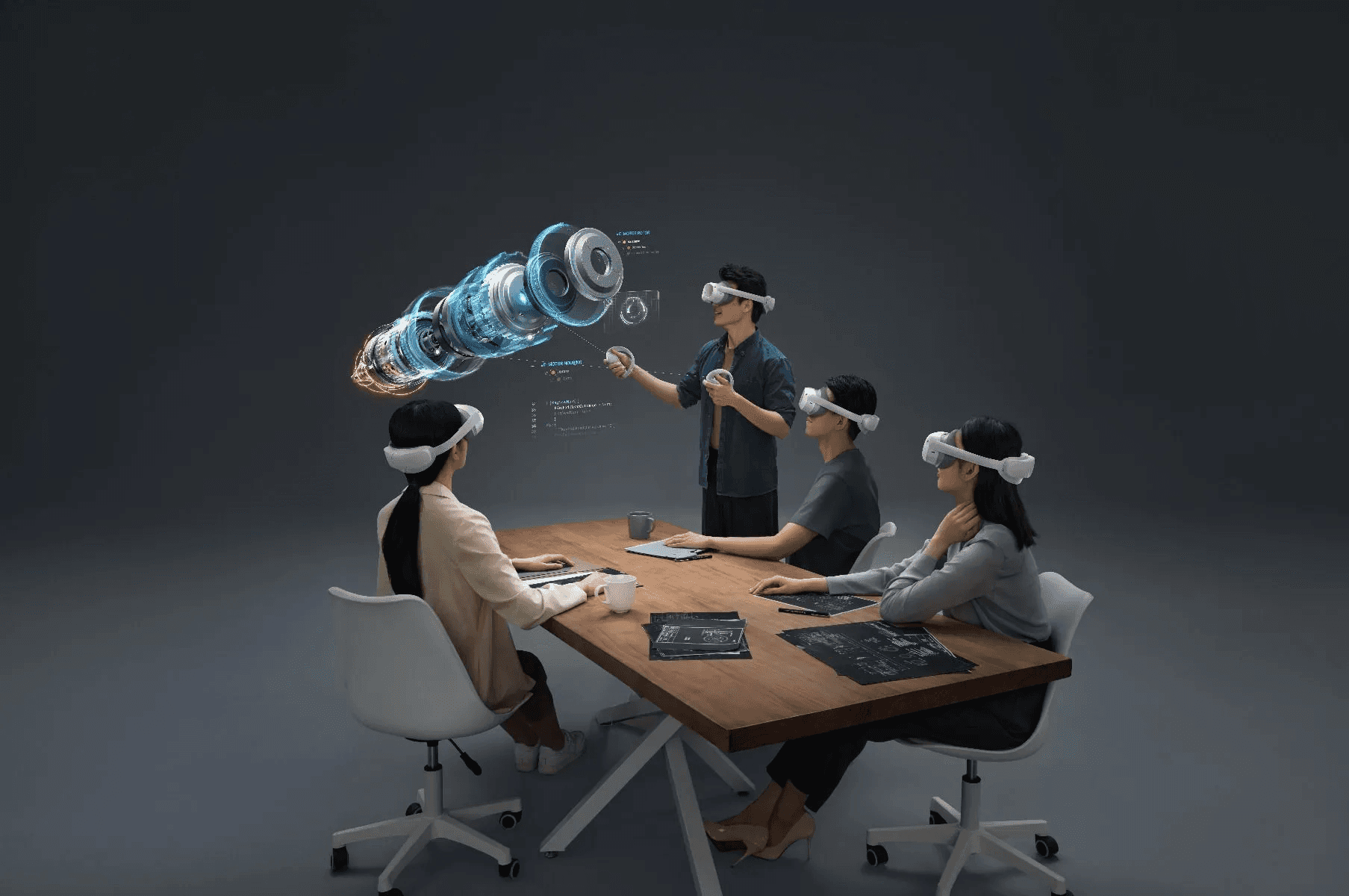
Spatial computing is reshaping various industries by enhancing customer engagement, improving operational efficiency, and creating immersive experiences. The integration of digital information into physical spaces allows for innovative applications that solve problems and streamline processes. From retail and healthcare to education and remote collaboration, spatial computing offers compelling value and opportunities.
The following subsections will explore the specific applications of spatial computing in different sectors, including:
Heavy Industry & Manufacturing Sector
Healthcare
Education and Training
Remote collaboration.
Exploring the use of spatial computing in these areas reveals its transformative potential and practical benefits.
Heavy Industry and Manufacturing Sector
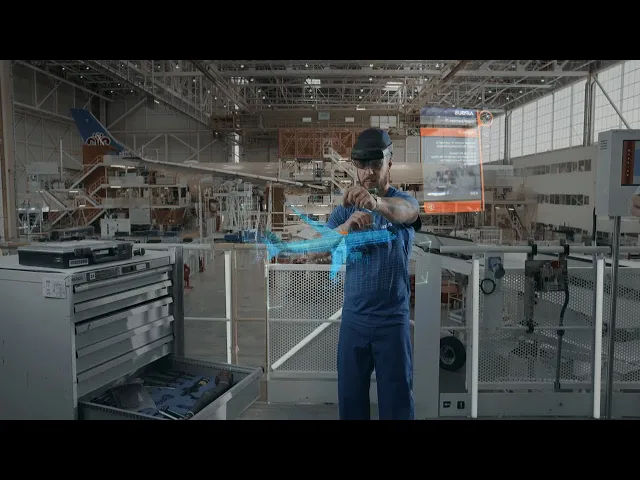
In heavy industry sectors such as mining, energy, and manufacturing factories, spatial computing is transforming operations by:
Allowing workers to visualize complex machinery and infrastructure in their physical environment before maintenance or upgrades.
Using augmented reality applications to provide real-time digital overlays that guide technicians through intricate tasks, reducing errors and downtime.
Facilitating location-based monitoring and predictive maintenance through integration of spatial data and sensor networks, enhancing safety and operational efficiency.
Enhancing manufacturing processes by enabling immersive design visualization, quality control, and assembly line optimization through interactive digital twins.
Integrating digital information into industrial physical spaces enables companies to optimize workflows, automate processes, and improve decision-making. Spatial computing applications in heavy industry and manufacturing help bridge the gap between digital planning and physical execution, leading to safer, more efficient, and cost-effective operations.
Healthcare
Spatial computing has significant applications in the healthcare industry, including:
Improving the safety and accuracy of surgeries
Training medical students through realistic simulations of surgical procedures
Enhancing patient consultations and communication.
Enabling organizations to run detailed simulations in a controlled virtual space, allowing them to test scenarios and optimize processes without the risks or costs associated with real-world trials.
AR headsets are used to visualize patient anatomy during surgeries, providing surgeons with real-time information and enhancing precision. This technology also allows for realistic simulations of surgical procedures, offering medical students hands-on experience in a controlled environment.
In addition to surgical applications, surgical planning, spatial computing is used in clinical trials and patient consultations, providing detailed visualizations and improving communication between healthcare providers and patients. The ability to overlay digital simulations onto the physical world enhances the overall quality of care and training in the healthcare sector.
Education and Training
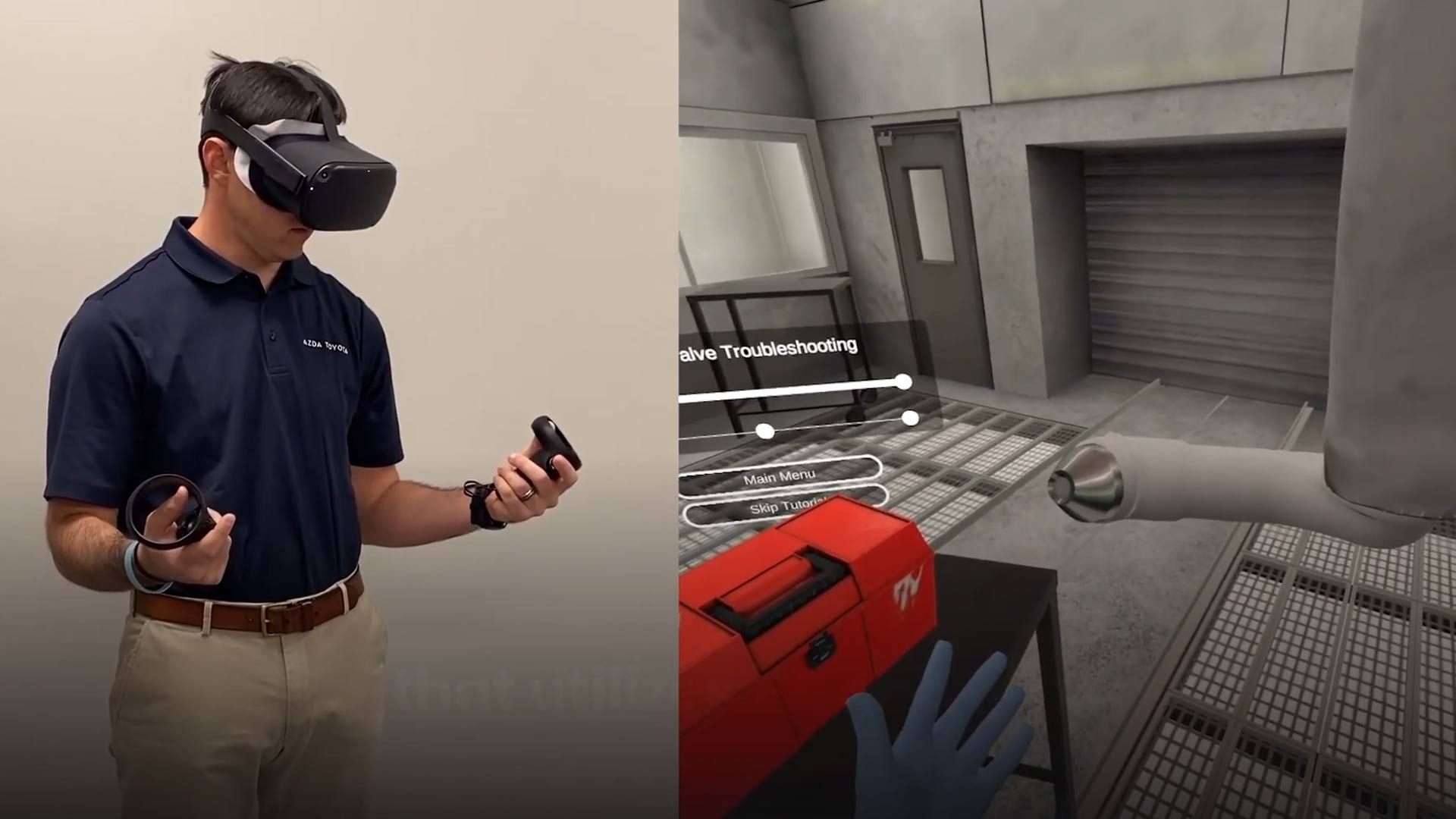
In the field of education, spatial computing offers immersive experiences that significantly improve engagement and retention among students. By integrating technologies such as VR and AR, educators can create interactive learning environments that make complex concepts more accessible and engaging. For instance, VR simulations allow students to explore historical events, conduct virtual experiments, explore career paths, and practice emergency response scenarios in a safe and controlled environment.
Workforce training also benefits from spatial computing by:
Providing hands-on learning experiences that are scalable and remotely accessible.
Using AR applications to create 3D models for training purposes.
Allowing employees to interact with and understand intricate systems and processes.
These immersive educational experiences lead to better retention of information and improved skill development, making spatial computing an key tool for both academic and professional training.
Gaming and Entertainment
Spatial computing has defining a new category in the gaming and entertainment industries by creating immersive virtual environments where users can interact with digital content in real-time. This technology enables new types of entertainment experiences, offering engaging, interactive, and often social entertainment.
Notable success stories in spatial computing gaming include Beat Saber, a rhythm-based virtual reality game that has generated over $255 million in revenue, highlighting the massive appeal of immersive VR gaming. Gorilla Tag, a VR multiplayer game praised for its innovative natural movement and spatial interaction; and Pokemon Go, an augmented reality mobile game that brought spatial computing to millions worldwide by overlaying digital creatures onto real-world environments, encouraging physical exploration and social interaction.
Beyond gaming, spatial computing enhances entertainment through immersive video experiences available on platforms like Apple TV for Vision Pro. These immersive videos leverage spatial audio and 3D visuals to create captivating storytelling that surrounds the viewer, making entertainment more engaging and lifelike. Streaming services and content creators are increasingly adopting spatial computing technologies to deliver next-level experiences, blending digital content seamlessly with the viewer’s physical environment.
These examples highlight the impact of spatial computing on gaming and entertainment, expanding how users engage with digital content and each other, and driving the growth of immersive media markets.
The Future of Spatial Computing
The future of spatial computing is incredibly promising, with the market projected to grow from USD 20 billion in 2025 to USD 200 billion by 2035. As the next computing platform, spatial computing will continue to blur the lines between digital and physical worlds, creating new applications and use-cases that enhance user interaction and productivity. This transition will lead to surge in innovative in sectors such as healthcare, logistics, and entertainment.
As technology continues to evolve, spatial computing will revolutionize how human processes interact with their environment and technology. By encouraging users to engage with the world rather than looking down at devices, spatial computing promises a more intuitive and immersive form of human-computer interaction.
Industry leaders believe that spatial computing will become the primary technological interface in the post-smartphone era, driving innovation and transforming everyday experiences.
Summary
Spatial computing (or XR) is a transformative technology that integrates the physical and digital worlds, offering new and immersive ways to interact with digital content. By leveraging technologies such as AR, VR, and MR, spatial computing devices create seamless and interactive experiences that enhance productivity and engagement across various industries. From retail and healthcare to education and remote collaboration, the applications of spatial computing are vast and impactful. As we look to the future, spatial computing will continue to revolutionize how we interact with technology and our environment, promising a more connected and immersive world.
Wrapping up
We hope this blog post helped synthesize and explain what is spatial computing, how it works, and the current state of the industry today.
The business opportunities in this new computing platform are immense. If you are part of a startup or corporation looking for a senior AR/VR development team, we can assist. Treeview is a high-end boutique AR/VR development studio specialized in B2B software applications. Contact us, and we can discuss the project details.
Frequently Asked Questions (FAQ) about Spatial Computing
What is spatial computing?
Spatial computing is a technology that blends the physical space with digital worlds, enabling natural human interaction with computers in three-dimensional environments. It integrates technologies such as augmented reality (AR), virtual reality (VR), and mixed reality (MR) to create immersive applications that merge digital objects with the physical environment.
How does Spatial Computing relate to XR?
Spatial computing and extended reality (XR) are often used interchangeably, as they both refer to technologies that allows users to interact with digital content in physical space. XR is an umbrella term that includes augmented reality (AR), virtual reality (VR), and mixed reality (MR), which are all core components of spatial computing. Essentially, spatial computing and XR describe the same exciting field of technology focused on enabling natural and seamless interaction between users and digital content within physical environments.
How does spatial computing enhance remote collaboration?
Spatial computing significantly enhances remote collaboration by creating an immersive digital workspace that fosters a sense of presence among team members, surpassing the limitations of traditional video meetings. This technology enables more effective and engaging interactions.
How does spatial computing work?
Spatial computing works by using spatial computing devices equipped with sensors, cameras, and computer vision to detect and analyze spatial data in real time. These devices use technologies like hand tracking, eye tracking, and generative AI to interpret user movements and environmental context, allowing users to interact seamlessly with virtual objects and digital information overlaid on the physical world.
How is Spatial Computing being used in agriculture?
Spatial Computing enhances agriculture by improving communication and providing essential information to agricultural professionals, ultimately leading to more informed decision-making and efficient practices. ThinkDigital Studios is a leader in this space.
Who are the best Spatial Computing development companies, studios, developer, firms and agencies?
The best spatial computing development partners are specialized agencies, studios, firms, and developer teams that build immersive applications across AR, VR, MR, and XR platforms. These companies help organizations adopt emerging technologies like the Apple Vision Pro, Meta Quest, and Magic Leap to solve real business challenges in industries such as healthcare, education, retail, energy, and entertainment.
Some of the leading spatial computing development companies recognized in 2025 include Treeview, a global XR agency delivering world-class enterprise AR/VR projects across healthcare, energy, and cultural sectors, along with Trigger, YORD, Innoactive, and 4Experience.
For a more detailed breakdown by technology (Apple Vision Pro, AR, VR, XR), see a curated lists of Best Spatial Computing Development Companies, Virtual Reality Development Companies, Augmented Reality Development Companies and Vision Pro Developers.
What are examples of spatial computing applications?
Spatial computing enables a wide range of applications across industries, including:
Training simulators that provide hands-on, immersive learning experiences
Remote collaboration tools that enhance presence and interaction in virtual workspaces
Manufacturing processes that use digital twins for design and operational efficiency
Gaming environments that create interactive virtual worlds
Navigation apps like Google Maps that use spatial data for real-time guidance
Healthcare simulations for medical training and surgery planning
Education platforms offering experiential learning through extended reality
What technologies are involved in spatial computing?
Spatial computing combines several key technologies:
Extended reality (XR), which includes VR, AR, and MR
Computer vision to recognize and interpret objects and environments
Generative AI for creating dynamic 3D and 4D models
Sensors and spatial computing devices for capturing physical space data
Hand tracking and eye tracking for intuitive user input
Edge and cloud computing for processing large data sets and rendering immersive graphics
What are spatial computing devices?
Spatial computing devices include headsets, smart glasses, and other wearable technologies designed to overlay digital content onto the physical environment. Examples include Apple Vision Pro, Meta Quest 3, Magic Leap, and other emerging devices that support immersive applications by integrating spatial data and digital objects with real-world surroundings.
How does spatial computing enhance human interaction?
By merging the physical and digital worlds, spatial computing enables more natural and intuitive human interaction with technology. Users can manipulate virtual objects using hand gestures, voice commands, and eye movements, making the experience more immersive and efficient compared to traditional 2D interfaces.
What role does data and analysis play in spatial computing?
Data and spatial analysis are fundamental to spatial computing. Devices collect spatial data about the physical environment and user interactions, which is then processed using AI and machine learning to provide contextual digital information. This data-driven approach enables real-time adaptation and enhances the accuracy and usefulness of spatial computing applications.
What are digital twins and how do they relate to spatial computing?
Digital twins are precise virtual replicas of physical objects, environments, or systems created using spatial data and computer vision. In spatial computing, digital twins allow users to visualize, analyze, and interact with real-world counterparts in a digital space, improving design, training, and operational workflows.
Who are the developers and companies leading spatial computing innovation?
Leading developers and companies in spatial computing include Apple with its Apple Vision Pro, Meta with the Meta Quest series, Magic Leap, and ByteDance’s PICO devices. These companies are advancing spatial technology by creating powerful devices and platforms that enable immersive applications and redefine human-computer interaction. For a full list see: Best Virtual Reality Companies and Best Augmented Reality Companies.
What role does Spatial Computing play in the retail sector?
Spatial Computing significantly enhances the retail sector by enabling consumers to visualize products in their own environments prior to purchase, which effectively reduces return rates. This innovative technology transforms the shopping experience and increases customer satisfaction.
What is a notable success story in the gaming sector of Spatial Computing?
A notable success story in the gaming sector of Spatial Computing is the virtual reality game Beat Saber, which contributed to the market's revenue exceeding $1.8 billion in 2022. Such achievements highlight the growing impact and popularity of immersive gaming experiences.
What is the future of spatial computing?
Spatial computing is emerging as the next major computing paradigm, following the eras of the personal computer and mobile. It moves beyond mobile computing by deeply integrating digital information into physical environments. Powered by advances in generative AI, cutting-edge sensors, and faster connectivity beyond 5G, this technology will enable sophisticated immersive applications that transform industries such as education, healthcare, manufacturing, and gaming.